7-Day Italy Itinerary Starting From Rome For First Time Visitors
Choose Your Own Adventure with 3 Itineraries for First-Timers Starting in Rome and Ending with Memories of the Perfect Italian Getaway
Planning your first trip to Italy can feel equal parts exciting and overwhelming, especially when you’re trying to fit centuries of history, world-class art, unforgettable food, and iconic landscapes into just one week.
As a traveler who has been to Italy many times over, and a travel agent who plans customized trips to the region several times a year, I can guide you through all of the can’t miss highlights Italy has to offer. A thoughtfully designed 7-day Italy itinerary starting in Rome gives first-time visitors the perfect balance of iconic experiences and realistic pacing. In this guide, I’ve outlined three distinct 7-day routes that all begin in Rome and branch north or south, allowing you to experience Italy in a way that matches your travel style without feeling rushed or overpacked.
Want An Italy Itinerary Customized Just for You?
These itineraries are designed to inspire, but your trip should be built around you. My custom itinerary planning service turns ideas like these into a personalized, day-by-day plan tailored to your travel style, pace, and priorities, complete with hotel suggestions, transportation logistics, and curated experiences.
How to Use This
Choose Your Adventure Itinerary?
I’ve curated three distinct 7-day Italy itineraries designed specifically for first-time visitors. Each route covers Italy’s most iconic sights while catering to different travel styles, whether you’re drawn to ancient history, art and culture, or immersive regional experiences. All itineraries assume an international arrival and departure day at either end, allowing for a smooth and realistic travel flow.
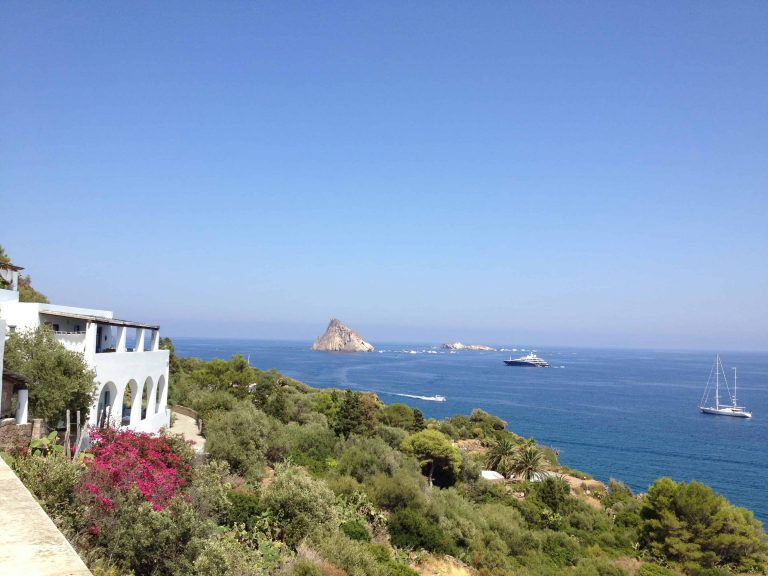
Every itinerary begins with two days in Rome, the perfect introduction to Italy’s layered history and vibrant street life. From there, the journey branches in two directions. Head south to Naples to dive deeper into Italy’s Roman past, with access to legendary archaeological sites and bold southern flavors. From Naples, you can continue on to the Amalfi Coast for dramatic scenery and seaside glamour, or venture into Puglia for a quieter, more authentic conclusion filled with whitewashed towns, olive groves, and coastal charm.
Alternatively, travel north to Florence for a more art- and culture-forward experience. After two days immersed in Renaissance masterpieces, Florence becomes an ideal home base for exploring Tuscany and beyond. Carefully chosen day trips allow you to experience medieval hill towns, coastal villages, and even Venice without the hassle of constantly packing and moving hotels, so you get the most value and depth from your week in Italy.
Use the links below to navigate your perfect 7-day Italian itinerary, or simply scroll and I will direct you along the way
Why Start Your 7-Day Italy Itinerary
in Rome?
Beginning your journey in Rome makes sense for several reasons. To start, there are two airports that service the city (CIA, FCO). The main airport (FCO) is typically the easiest and cheapest gateway into the country with more direct and connecting flights than any other city. Additionally, all roads do, in fact, lead to Rome, so you will find it is the best hub by which to travel the rest of the country whether by train or car.
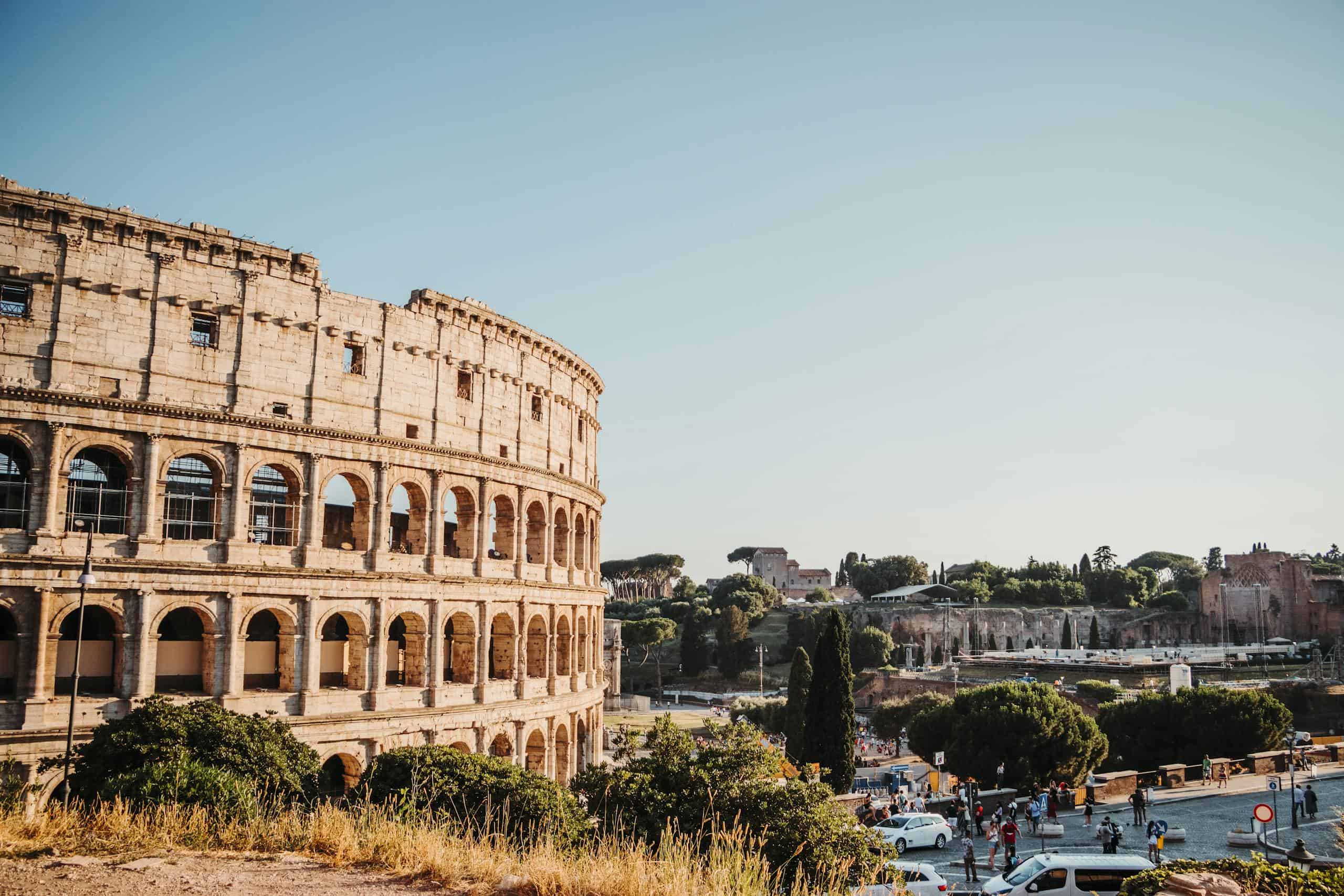
Logistics aside, starting your itinerary in Rome gives first-time visitors the strongest foundation for understanding Italy’s history, culture, and rhythm of daily life. Rome places you directly inside 2,000 years of layered history. Ancient temples sit beneath Baroque churches, Renaissance palaces border lively piazzas, and everyday Roman life unfolds among world-famous ancient landmarks like the Colosseum.
For first-time visitors, I recommend 2 full days exploring this city. This is enough to experience Rome’s highlights without exhaustion, especially if you plan efficiently, and will leave you plenty of time to explore other popular destinations throughout the country.
7-day Italy Itinerary: Day 1 & 2 in Rome
All three itineraries will begin with 2 days in Rome. While I recommend spending the first two days of your trip here, you may also choose to move these days to the end of your trip before you fly home.
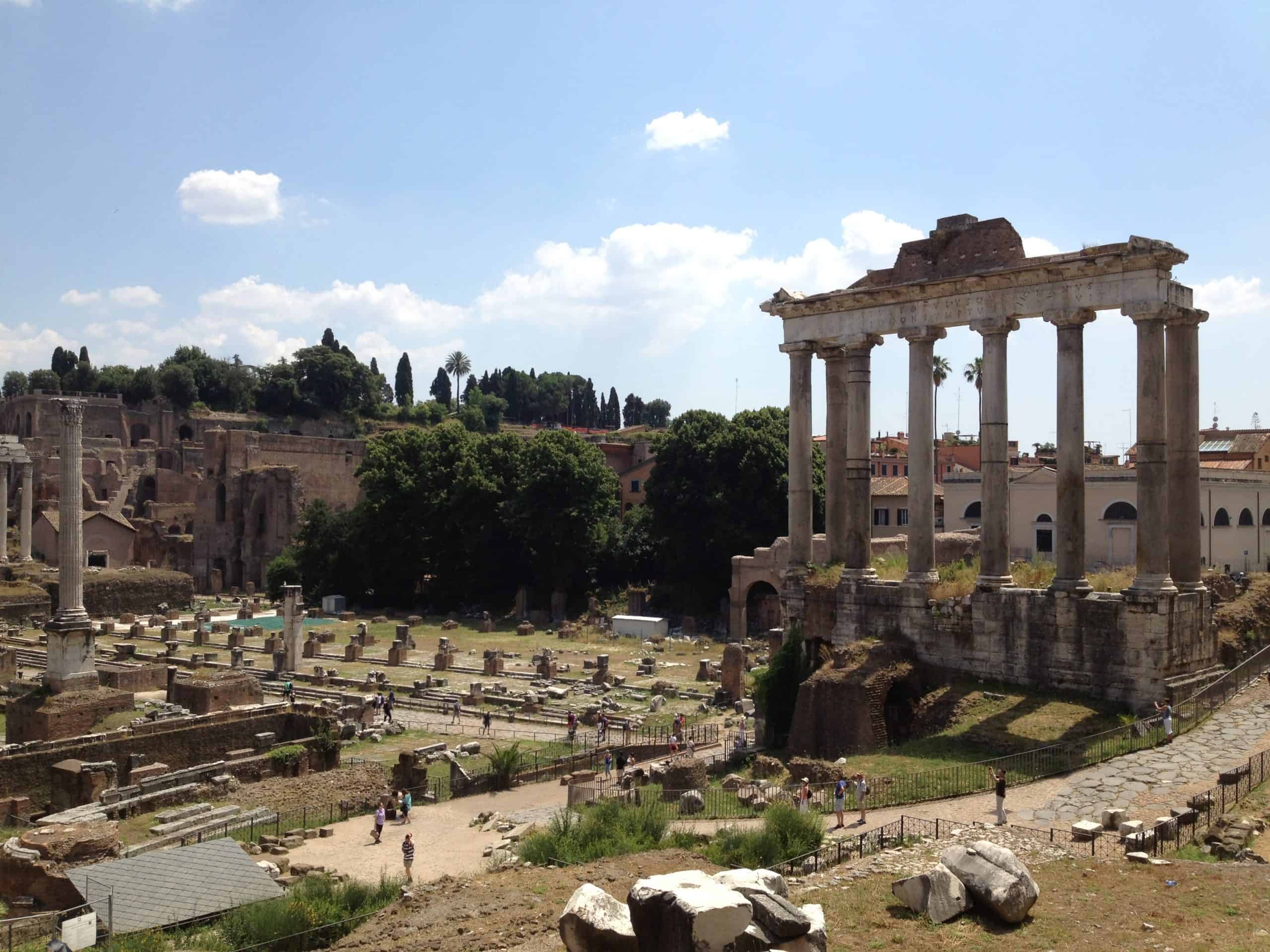
Day 1: Ancient Rome & the Historic Center
Morning
- Colosseum: Arrive early or book a skip-the-line tour. Seeing it first thing helps beat crowds and heat.
- Roman Forum & Palatine Hill: This usually comes packages with the skip-the-line tour above. Walk among the remains of temples, basilicas, and imperial palaces. Palatine Hill offers some of the best views over the Forum.
Pro tip: Use a tour guide as not to miss any of the seriously interesting historical context. A combined ticket saves time and money. Wear sturdy shoes as the ruins are uneven and many streets are cobbled.
Afternoon
- Pantheon: Still the largest unreinforced concrete dome in the world. Step inside for a moment of quiet awe. Between 11AM – 1PM the sun shines beautifully through the oculus.
- Piazza Navona: Built over an ancient stadium, it’s one of Rome’s most elegant squares. Grab some lunch and a gelato before perusing the gorgeous fountains and facades.
- Museo Nazionale: Spend the rest of the afternoon exploring this 15th century palace turned museum, housing Renaissance art and antiquities, as well as Greek & Roman sculptures
Pro tip: As of 2023, in order to fund preservation efforts and minimize daily foot traffic, the Pantheon requires paid admission (€5). The line can get long, and also sell out so its recommended to purchase in advance to get the time slot you desire.
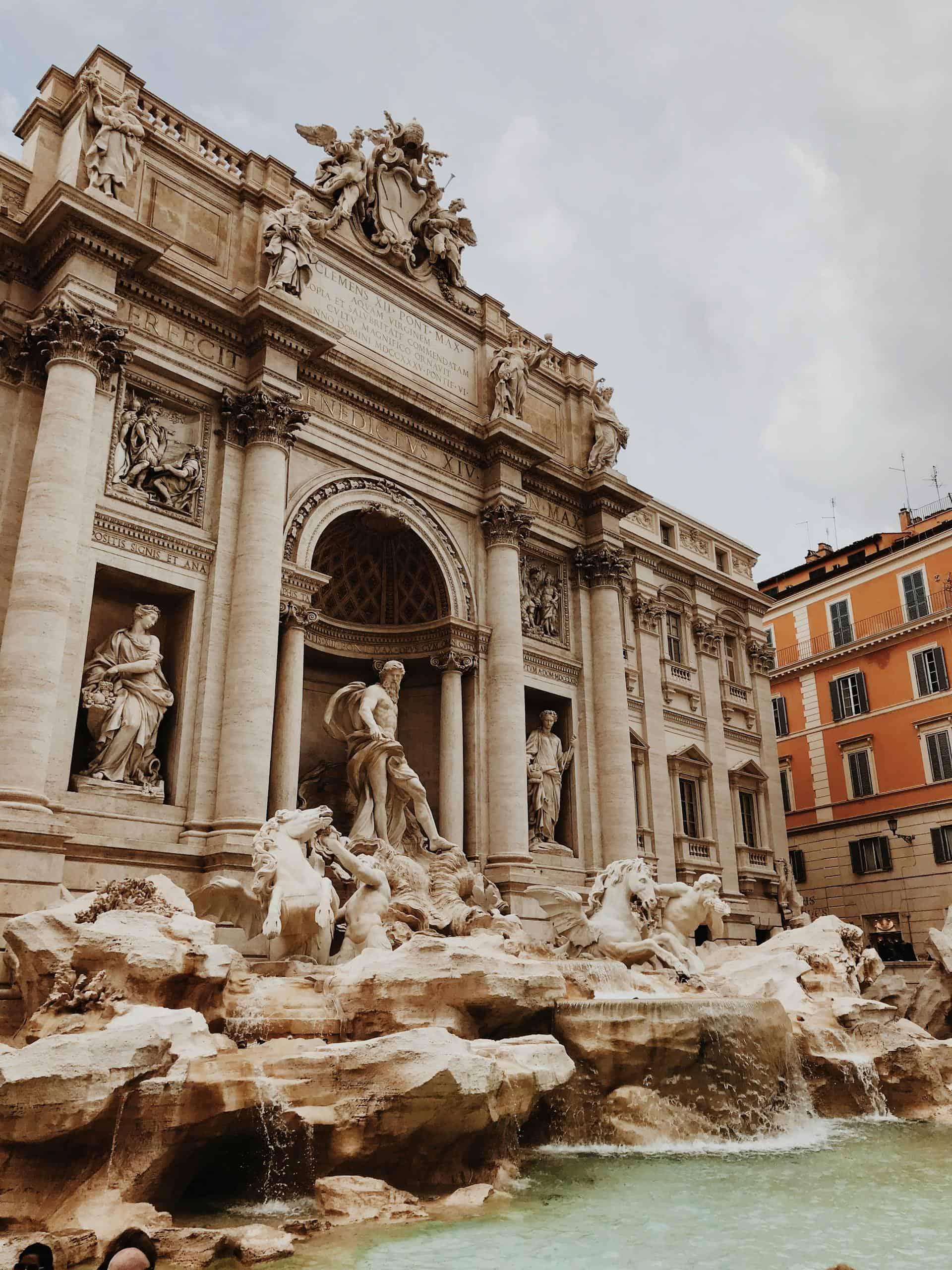
Evening
- Trevi Fountain: Visit after dark when it’s beautifully lit and less chaotic. A the tip below suggests, you may want to arrive after 10PM for fewer crowds and a chance to approach the fountain.
- Dine in Monti for classic Roman dishes like cacio e pepe. Then end the evening at any of the areas trendy wine bars.
Pro tip: As of February 2026, in order to fund preservation efforts and minimize daily foot traffic, the Trevi Fountain will require a small donation (€2) between the hours of 9AM and 10PM to stand near the famed site and take a selfie. Expect the lines to do so to be long.
Day 2: Vatican City & Castel Sant’Angelo

Morning
- Vatican Museums & Sistine Chapel: Book tickets weeks in advance if possible and get an early start. A guided tour helps you skip long lines and navigate the sheer scale of the art collections and frescos.
- St. Peter’s Basilica: Free to enter; I highly recommend climbing the dome for sweeping views over Vatican City.
Pro tip: Dress modestly (covered shoulders and knees) to avoid being turned away. Also, be sure to check for the Vatican’s website for museum closures, such as the first 3 Sundays of the month (the museum is open and free on the last Sunday of each month so expect crowds) and national or religious holidays. Papal Audiences occur on Wednesday mornings, so expect large crowds and don’t expect to get into the Basilica during that time frame.
Afternoon
- Castel Sant’Angelo: A former mausoleum for Emperor Hadrian, turned papal fortress and castle, an now a museum with panoramic views of Rome, the Vatican and the Tiber. If you visit around sunset you can see the city start to glow in the early evening light.
- Cross the Tiber and head towards the Spanish Steps, but first stop at the Crypt of the Capuchin Friars for a macabre tour (last admission is at 5:30).
Pro tip: If available, the 1-hour tour of the Passetto di Borgo, an elevated passage between the Vatican and Castel Sant’Angelo, is said to be magnificent.
Evening
- Spanish Steps: Best enjoyed in the early evening when crowds thin and the city glows.
- Enjoy a rooftop dinner and aperitivo on your last evening in Rome
For more tips and specific hotel and dining recommendations in Rome explore my 3-day Rome Itinerary and City Guide.
Itinerary Options from Rome (click on the itinerary that interests you most):
7-Day Italy Itinerary Option 1:
Rome, Naples & the Amalfi Coast
This version of the 7-day Italy itinerary will follow the east coast south from Rome to Naples and one to the Amalfi Coast. It is for those who desire historical Roman highlights, a dash of urban energy and a touch of coastal elegance.

Day 1 & 2: Rome (see the itinerary above)
Day 3: Rome → Naples & City Exploration
Naples is loud, gritty, soulful, and unforgettable. It’s also the birthplace of pizza and one of Italy’s most historically layered cities.
Travel
- High-speed train: ~1 hour 15 minutes
- Driving: ~2.5 hours (not recommended due to a lack of parking in Naples)
Morning
- Arrive early and take an espresso at the bar (standing like locals do)
- Check into your hotel and head to the Church of Gesù Nuovo to begin your walk down the Spaccanapoli, the historic artery that slices through the old town
Pro tip: Wear comfortable walking shoes as the streets are cobbled, and keep your belongings secure since crowded places like this tend to draw pickpockets. Additionally, if you intend to visit churches along the way, dress appropriately.
Afternoon
- Pizza pilgrimage: Early lunch at L’Antica Pizzeria da Michele (my personal favorite)
- Naples Cathedral (Duomo di San Gennaro): Dedicated to the city’s patron saint
- Napoli Sotterranea: Descend beneath the city from Piazza San Gaetano to explore a labyrinth of ancient aqueducts and Roman tunnels.
- Option 2: If underground tours are not your thing, explore the National Archaeological Museum of Naples which houses the greatest collection of artifacts from the excavation of Pompeii and Herculaneum; a perfect preface to tomorrows activities.
Evening
- Dine on fresh seafood and pasta at the Lungomare waterfront
- Stroll along the Lungomare with Mount Vesuvius views
Day 4: Pompeii + Vesuvius or Herculaneum
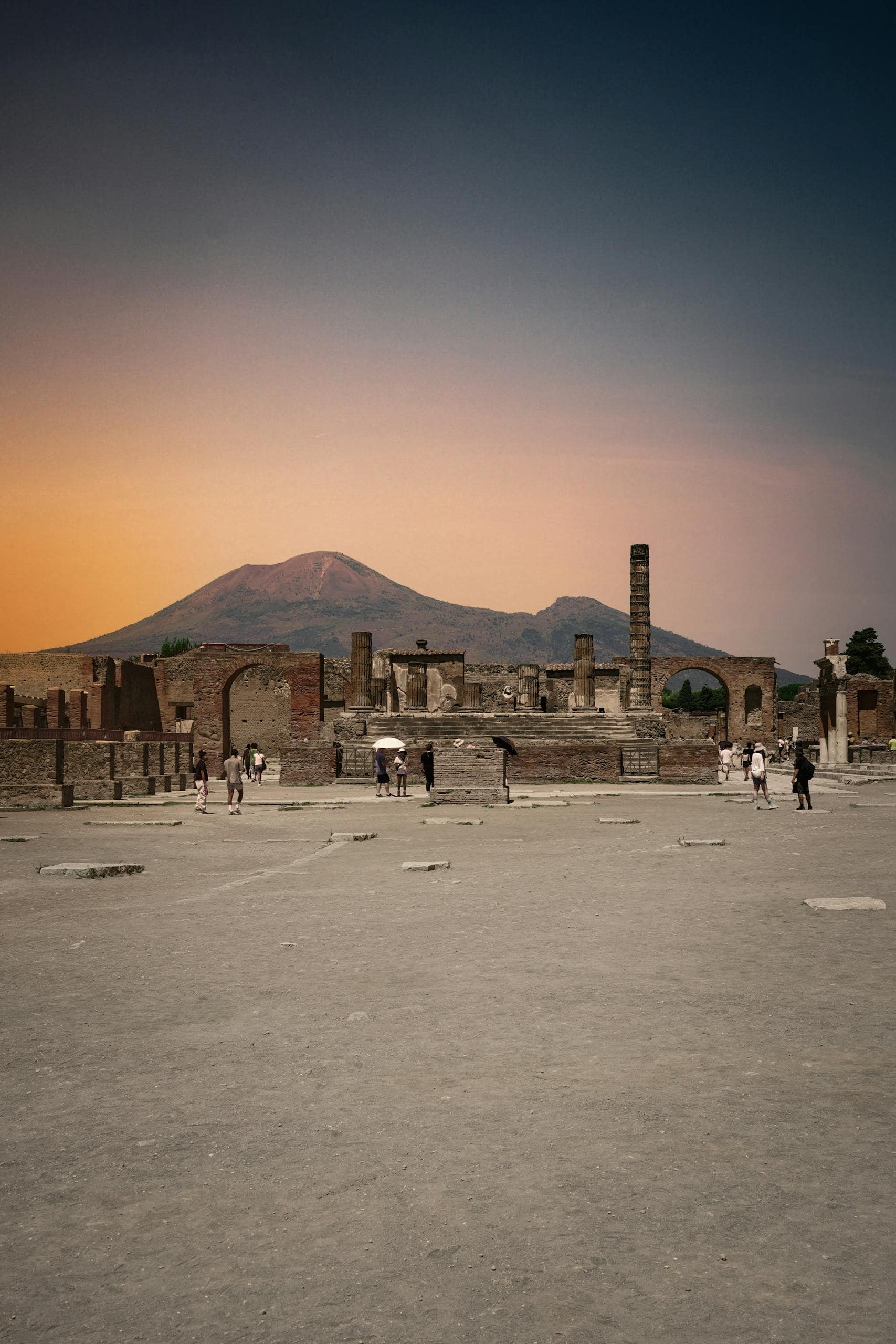
Morning
- Circumvesuviana train to Pompeii (~40 minutes)
- Do a guided tour of Pompeii’s streets, homes, and baths. For more information check out my Guide to Discovering Pompeii.
Afternoon (Choose One)
- Mount Vesuvius: Short shuttle + hike to the crater (weather permitting)
- Herculaneum: Smaller, better preserved, and less crowded than Pompeii (this would be my recommendation, having experienced both)
Pro tip: Get an early start at Pompeii. The tours typically last 2 hours and then I would recommend spending an additional 1-2 hours exploring on your own. I like pairing Herculaneum with Pompeii since Pompeii offers scale and Herculaneum offers detail.
Evening
- Return to Naples and head to Belvedere di San Martino for incredible views of the city and bay of Naples while the sun sets and the city comes alive with lights
- Enjoy a relaxed dinner near Piazza Bellini
Day 5: Naples → Amalfi Coast
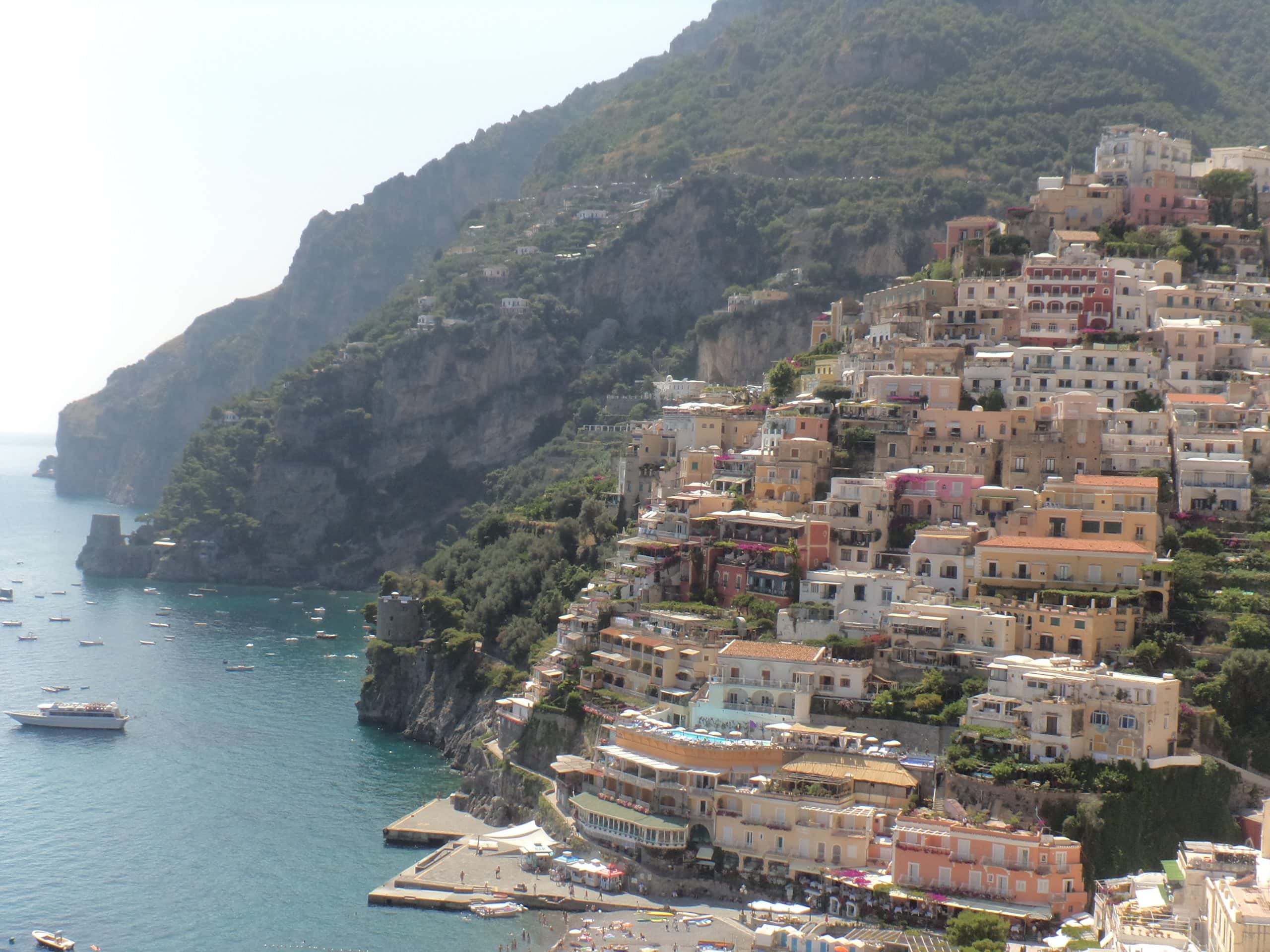
Amalfi Coast is famous for its cliffside towns, lemon groves, and shimmering Mediterranean views.
Travel
- Train Naples → Salerno or Sorrento (~40 minutes), ferry or bus onward
- Driving: ~1.5–2.5 hours (recommended as long as you are comfortable driving narrow coastal roads)
Pro tip: Public transportation is not as easy along the coast so if you feel up to it I recommend renting a car. If not a train to Salerno or Sorrento will take you to either end of the region and ferries or buses can get you between coastal and cliffside villages.
Morning
- Take your time traveling along narrow coastal roads from Salerno or Sorrento to your final destination. Stop at designated viewpoints for stunning photos and small village cafes for espresso and fine pastries
- If you are traveling from Salerno don’t miss Italy’s ceramics capital, Vietri sul Mare. From Sorrento be sure to stop at the fjord of Furore.
Afternoon
- Settle into Positano, Amalfi, or Ravello (for more affordable stays try basing in Salerno, Maiori or Minori)
- Explore the town center and coastline. Look at this as your rest day.
Evening
- Sunset aperitivo and seaside dinner
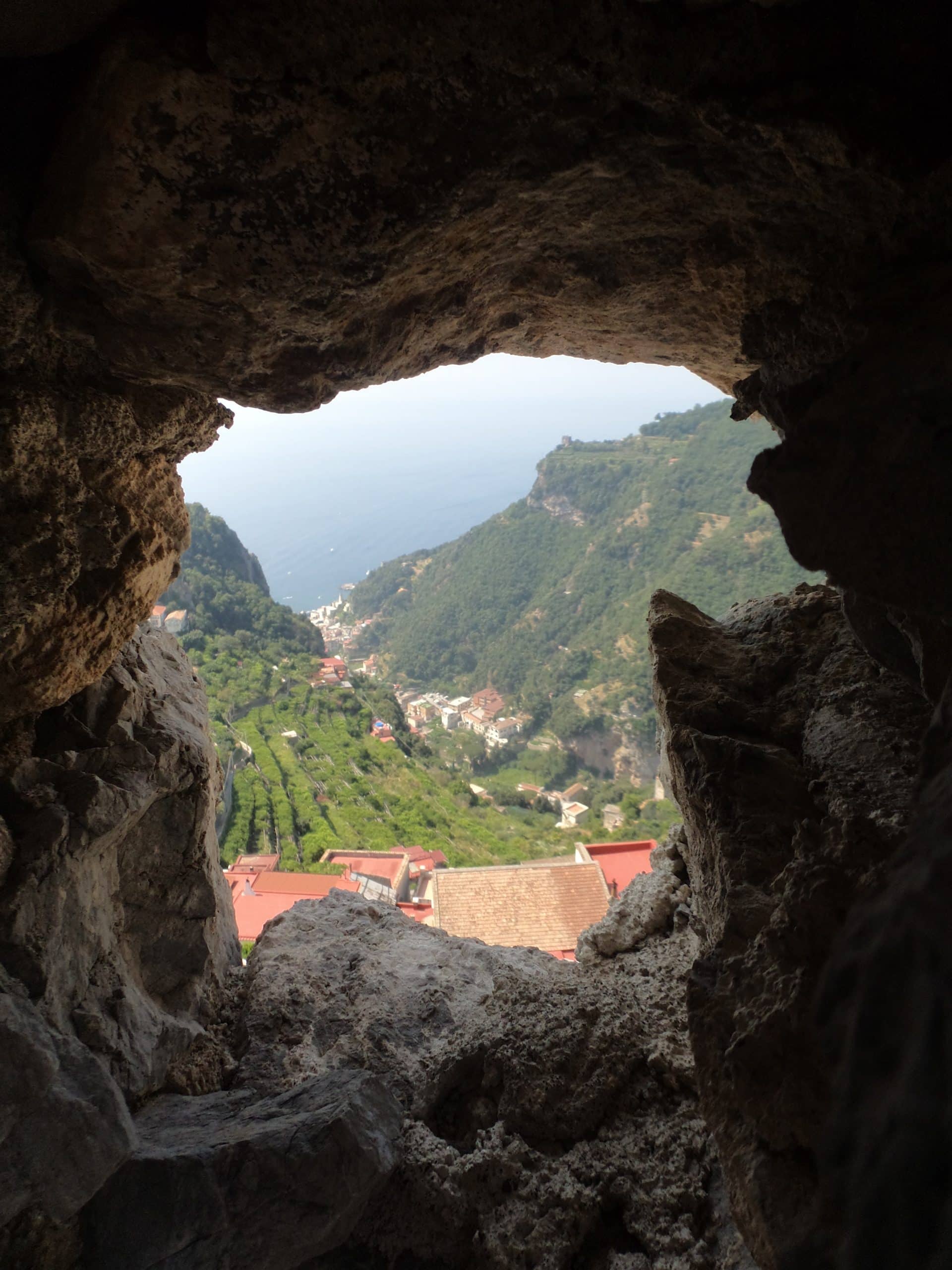
Day 6: Path of the Gods & Positano
Morning
- Hike the 6.1 mile Path of the Gods from Bomerano to Positano for breathtaking views of coastal villages, lemon groves and natural beauty.
Pro tip: The path is partially paved, but is still considered moderately difficult, so wear sturdy shoes, bring water, and prepare appropriately.
Afternoon
- When you reach Positano relax on one of the towns stony beaches. Take a swim in the cool Mediterranean water.
- Find a quiet cafe or lively beach club for some lunch and a celebratory Aperol Spritz
Evening
- Do a Limoncello tasting and take a traditional regional cooking class
Day 7: Amalfi Coast by Sea & Ravello
Morning
- Boat tour along the coast, which is arguably the best way to experience the region.
Afternoon
- Spend a slow afternoon exploring Ravello‘s serene gardens and panoramic views
- Find a local winery for some relaxation
Evening
- Farewell dinner overlooking the sea
7-Day Italy Itinerary Option 2:
Rome, Naples & Puglia
This version of the 7-day Italy itinerary is for first time visitors who want both the ancient and historical highlights found in Rome and Naples, but also crave the authentic Italian lifestyle and slower daily rhythm of the less explored Puglia region.
Day 1 – 2: Rome (see the itinerary above)
Day 3 & 4: Naples and Pompeii (See Day 3 and 4 above)
Day 5: Naples → Puglia
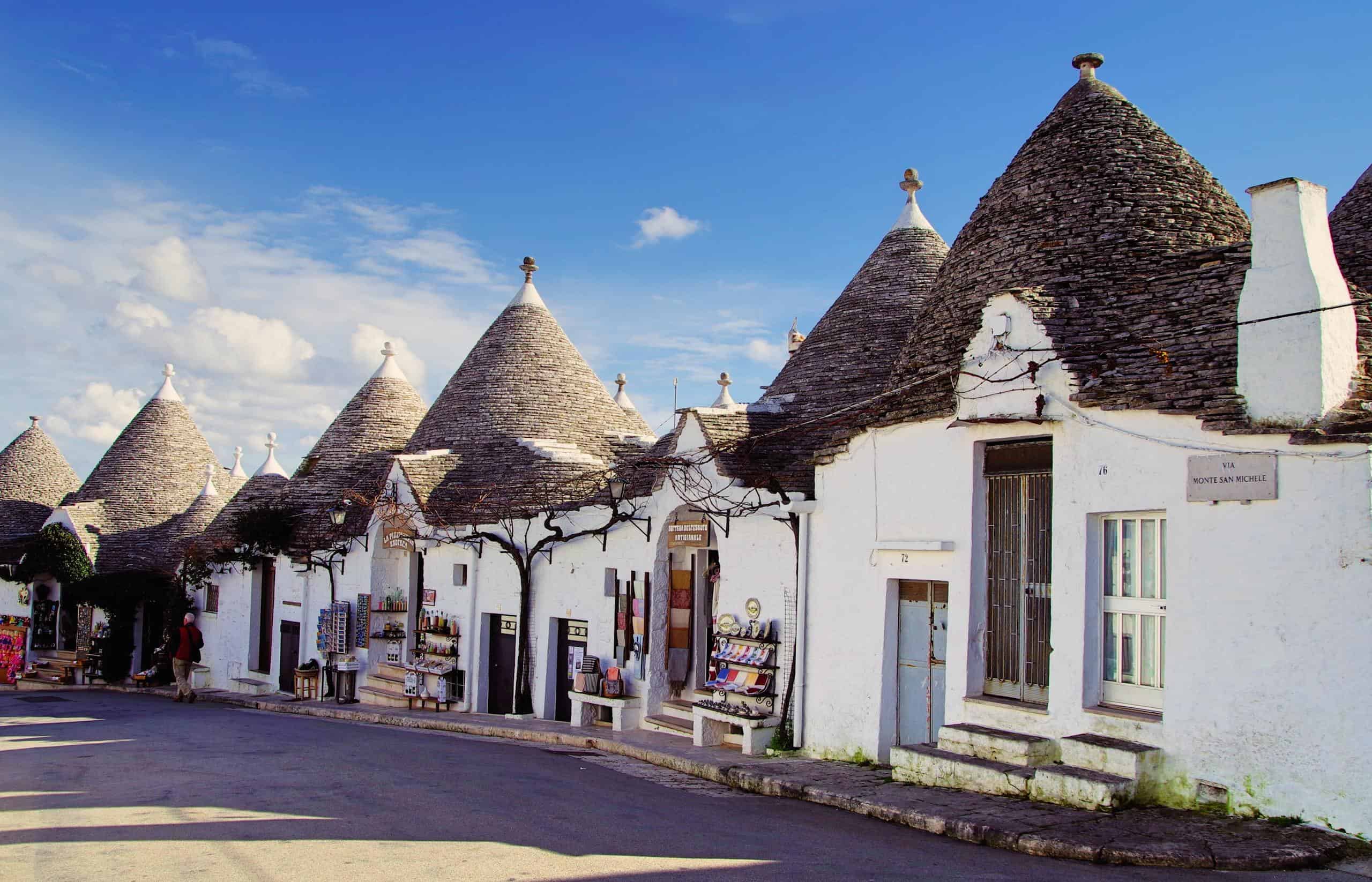
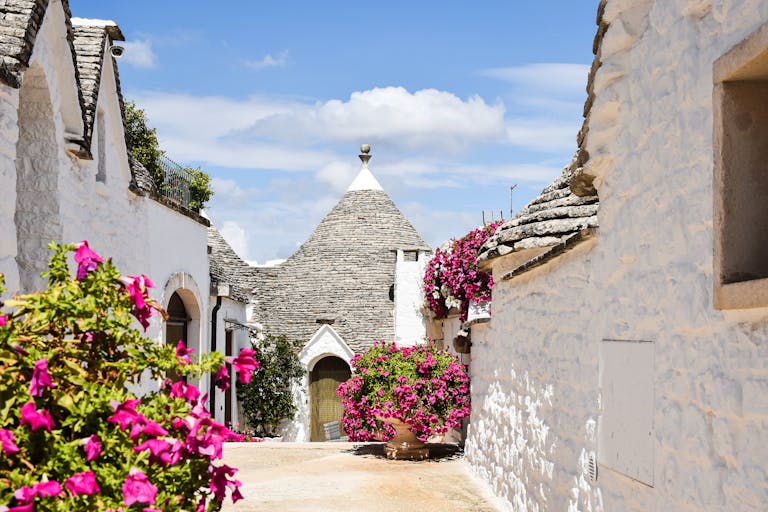
Puglia is the sun-soaked region in Italy’s heel defined by olive groves, whitewashed hill towns, trulli villages, and a sense of authenticity that many first-time visitors don’t expect, but end up loving.
Travel
- Train: Naples → Bari ~4–7 hours depending on transfers (1 connection)
- Driving: ~3.5–4 hours via A16/A14 motorways
Pro tip: I recommend renting a car for this leg of the itinerary. You will have much more freedom to choose accommodation in the countryside (masseria stays are highly recommended) and to move around from village to village. Whether you choose to rent a car in Naples and make the long drive, or take the train and rent a car once you get to Bari, is up to you.
Morning
- Early departure from Naples
- Arrive in Bari late morning or early afternoon
Afternoon
- Explore Bari Vecchia, the atmospheric old town
- Wander narrow lanes where local women hand-roll orecchiette pasta outside their homes
- Visit the Basilica of Saint Nicholas, an important pilgrimage site
- Stop for focaccia barese (thick, olive-oil-rich, and topped with tomatoes)
- Check into your hotel or countryside masseria (traditional Puglian farmhouse)
Evening
- Seaside stroll along Bari’s promenade
- Dinner featuring fresh Adriatic seafood or classic orecchiette with cime di rapa
Day 6: Alberobello & Locorotondo (Trulli & Hill Town Charm)
This day is all about Puglia’s storybook landscapes.
Driving distances (recommended)
- Bari → Alberobello: ~1 hr
- Alberobello → Locorotondo: ~20 min
(Public transport is possible, but slow and limiting. This is where a car truly shines.)
Morning: Alberobello
- Explore Alberobello, a UNESCO World Heritage Site
- Walk through the Rione Monti district, home to hundreds of trulli (cone-roofed limestone houses built without mortar that the region is known for)
- Visit Trullo Sovrano, the only two-story trullo, for insight into how families once lived
Pro tip: Arrive early (before tour buses) for quieter streets and better photos.
Afternoon: Locorotondo
- Short drive to Locorotondo, often ranked among Italy’s prettiest villages
- Wander circular lanes lined with flowers, white balconies, and hidden courtyards
- Lunch at a relaxed trattoria overlooking the Valle d’Itria countryside
- If you have the energy continue to Cisternino (about a 15 min drive), known for its “fornelli pronti” butcher shops that grill meat to order.
Evening
- Return to your hotel or masseria
- Countryside dinner featuring local olive oil, burrata, and regional wines
- Optional: wine tasting and stargazing (Puglia’s rural nights are wonderfully dark)
Day 7: Polignano a Mare & Ostuni
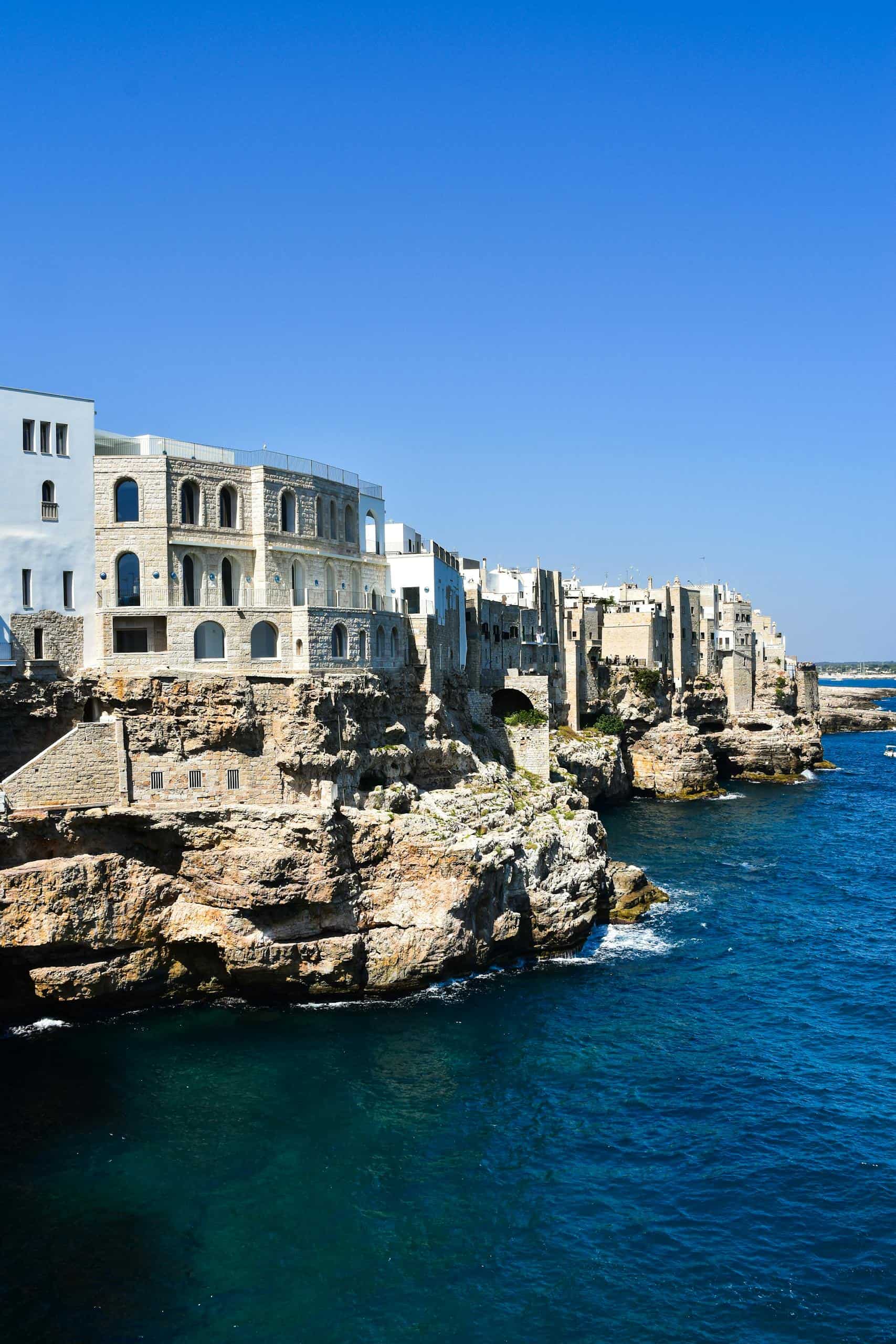
Your final day blends dramatic coastline with one of Puglia’s most iconic hill towns.
Driving distances
- Valle d’Itria → Polignano a Mare: ~45 min
- Polignano a Mare → Ostuni: ~1–1.25 hrs
- Ostuni → Bari (if you are staying in that direction) ~1.10 hrs
Morning: Polignano a Mare
- Arrive early in Polignano a Mare and find a seaside cafe for light bites and a pick-me-up espresso
- Visit Lama Monachile, the postcard-perfect pebble beach framed by cliffs
- Swim, relax, or simply admire the view from the bridge above
Pro tip: Wear water shoes since this is a pebble beach, and the water gets deep quickly. There are also places to cliff jump if you are so daring.
Afternoon: Ostuni
- Drive inland to Ostuni, known as La Città Bianca (The White City)
- Wander steep, winding streets glowing white under the southern sun
- Enjoy panoramic views over olive groves stretching to the Adriatic Sea
- Enjoy a gelato in the historic center and watch the white city turn golden as dusk approaches
Evening: Ostuni Countryside
- Do an early evening Puglian cooking class with regional dishes (often panzerotti, orecchiette, and a typical dessert). Then enjoy your dish with a crisp white wine.
7-Day Italy Itinerary Option 3:
Rome & Florence w/ Iconic City Day Trips
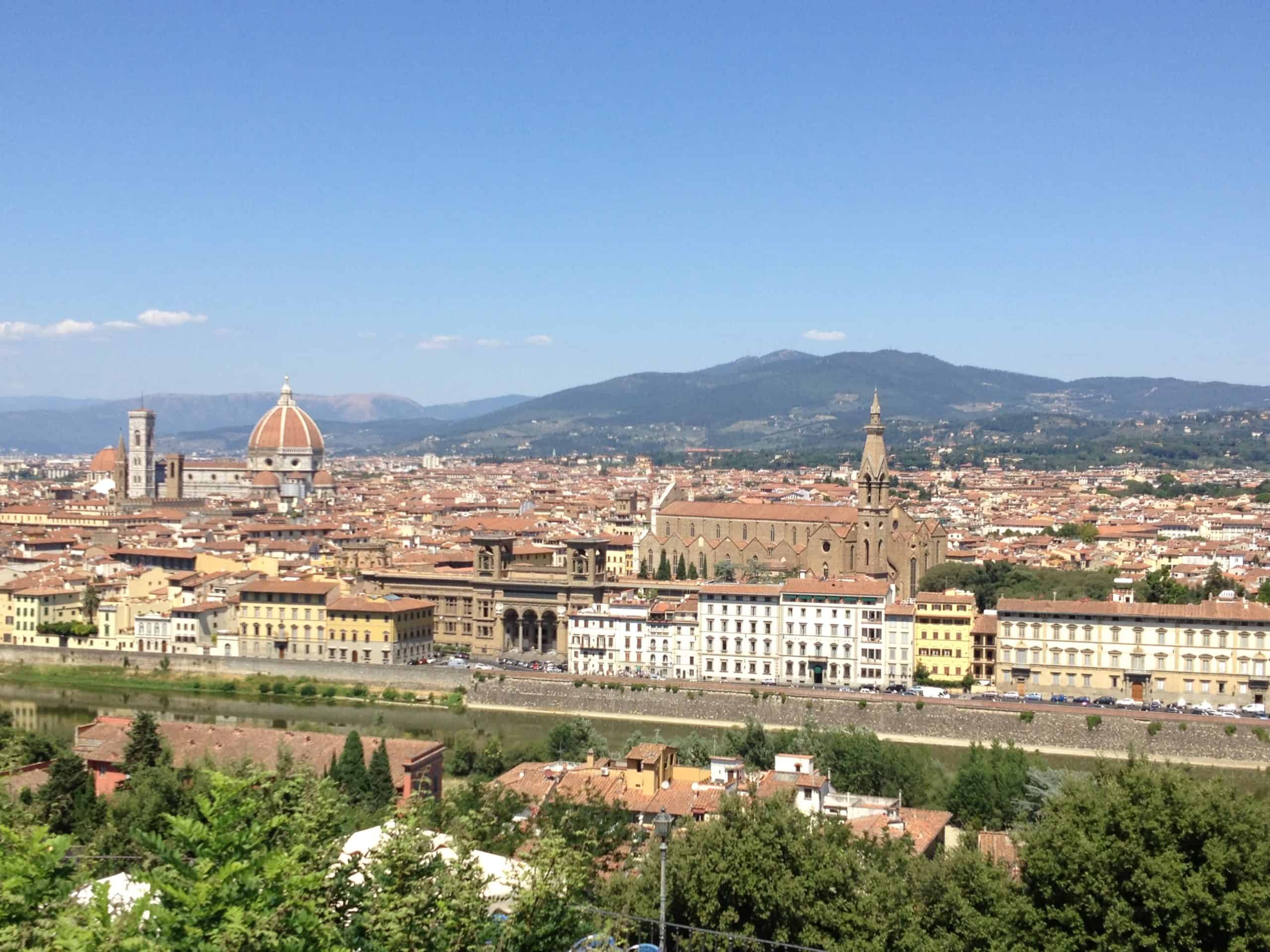
This itinerary is ideal for first-time visitors who want culture, art, and variety without constantly changing hotels. By basing yourself in Florence, you can experience several of Italy’s most famous destinations while unpacking just once—an underrated luxury.
These days are designed to balance museum-heavy mornings with scenic afternoons and atmospheric evenings, keeping the experience immersive rather than exhausting.
Day 1 – 2: Rome (see the itinerary above)
Day 3: Rome → Florence & A City Walking Tour
Travel
- Train: High-speed train from Rome Termini to Florence ~1 hour 30 minutes
- Driving: ~3 hours (train strongly recommended)
Pro tip: Book a morning train so you arrive before lunch and make the most of the day.
Morning
- Early departure from Rome; arrival in Florence mid-morning
- Check in or drop your luggage at you hotel
- Florence is compact and walkable, making it an easy city to settle into quickly. Grab an espresso and pastry near the Duomo to get your bearings
Afternoon
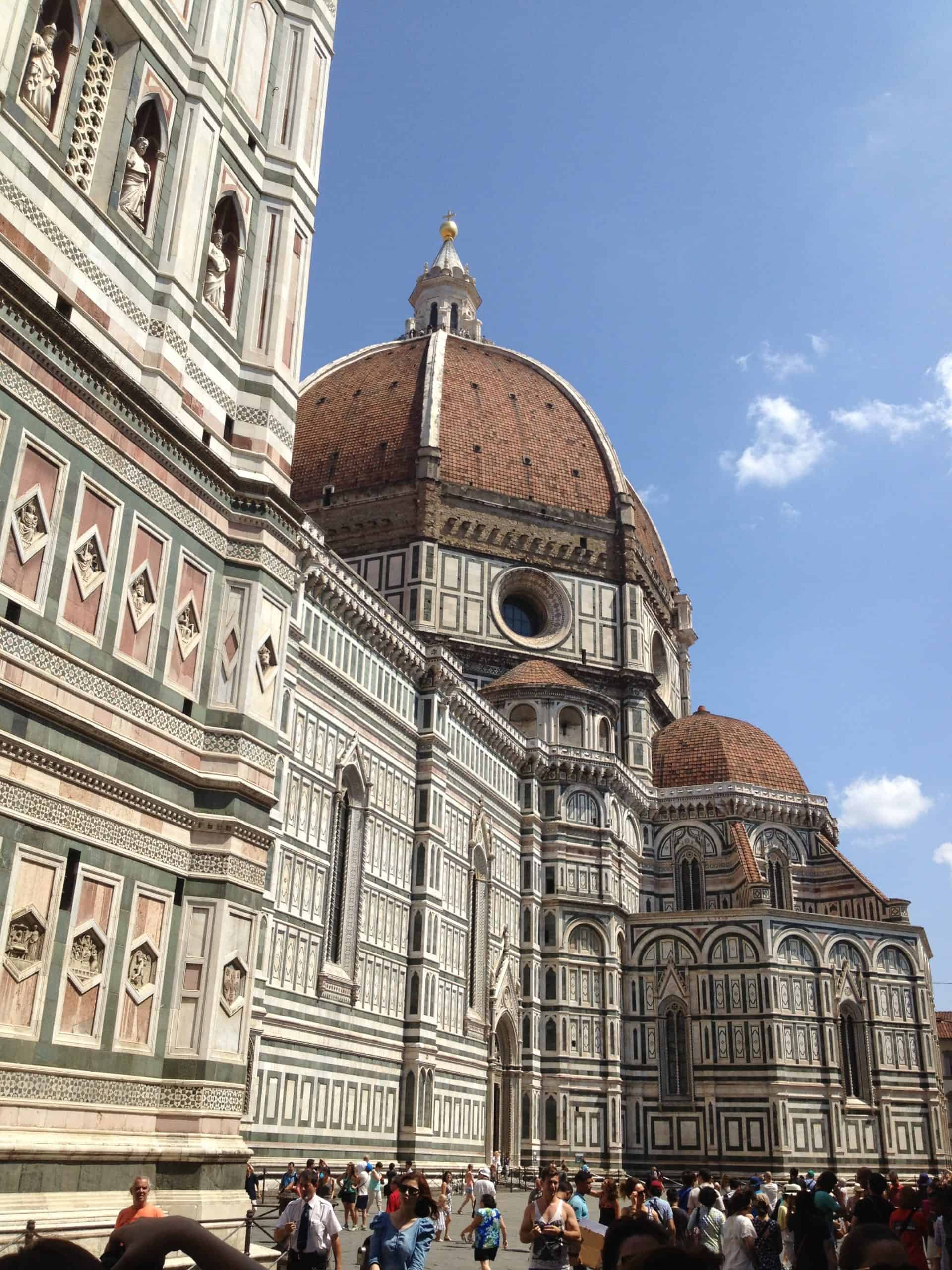
- Duomo Complex (Cathedral of Santa Maria del Fiore): Florence has one of the most impressive Duomos in the country. Admire Brunelleschi’s iconic dome from the outside or visit the interior, check out the intricate carvings on the Baptistery doors, and bell tower.
- A few blocks from the Duomo you’ll find one of Florence’s famed wine windows at Cantina De’ Pucci, which is also a highly rated restaurant if you are ready for lunch
- Continue on to Piazza della Signoria, Florence’s open-air sculpture gallery
- Cross Ponte Vecchio, the medieval bridge lined with jewelry shops
Pro tip: You can climb the dome today if you are feeling up to it, but keep in mind you have some long and busy days ahead. You will also be getting your city views this evening, so I recommend saving your energy for the days ahead.
Evening
- Walk along the Arno River and head to Piazzale Michelangelo for panoramic sunset views over Florence
- Dinner in the Oltrarno district, known for artisan workshops and less touristy trattorias
- Optional gelato stop (purely for research purposes)
Day 4: Florence’s Museum Day
Morning
- Accademia Gallery: Home to Michelangelo’s David, far more powerful in person than photos suggest
- Stop for lunch at Osteria Giglio d’oro
Pro tip: Book tickets well in advance or opt for an early-entry or guided tour to avoid lines. This goes for the Uffizi Gallery as well.
Afternoon
- Uffizi Gallery: One of the world’s most important art museums. See Botticelli’s Birth of Venus, works by Leonardo da Vinci, Michelangelo, and Raphael. There is a lot to see here so take your time
Evening
- Sunset walk along the Arno River
- Dinner at Ristorante Dei Rossi followed by an evening stroll through Oltrarno with more Tuscan wine accompanied by river views and a glowing city as your backdrop
Day 5: Siena & Pisa (Tuscan Icons Day Trip)
This day showcases Tuscany’s medieval heart and one of Italy’s most recognizable landmarks.
Travel
- Florence → Siena: ~1.5 hours by train
- Siena → Pisa: ~2 hours by train
- Pisa → Florence: ~1 hour
Pro tip: This is a long day. Travel light and wear comfortable shoes.
Morning: Siena
- Walk into Siena’s historic center, frozen in medieval time
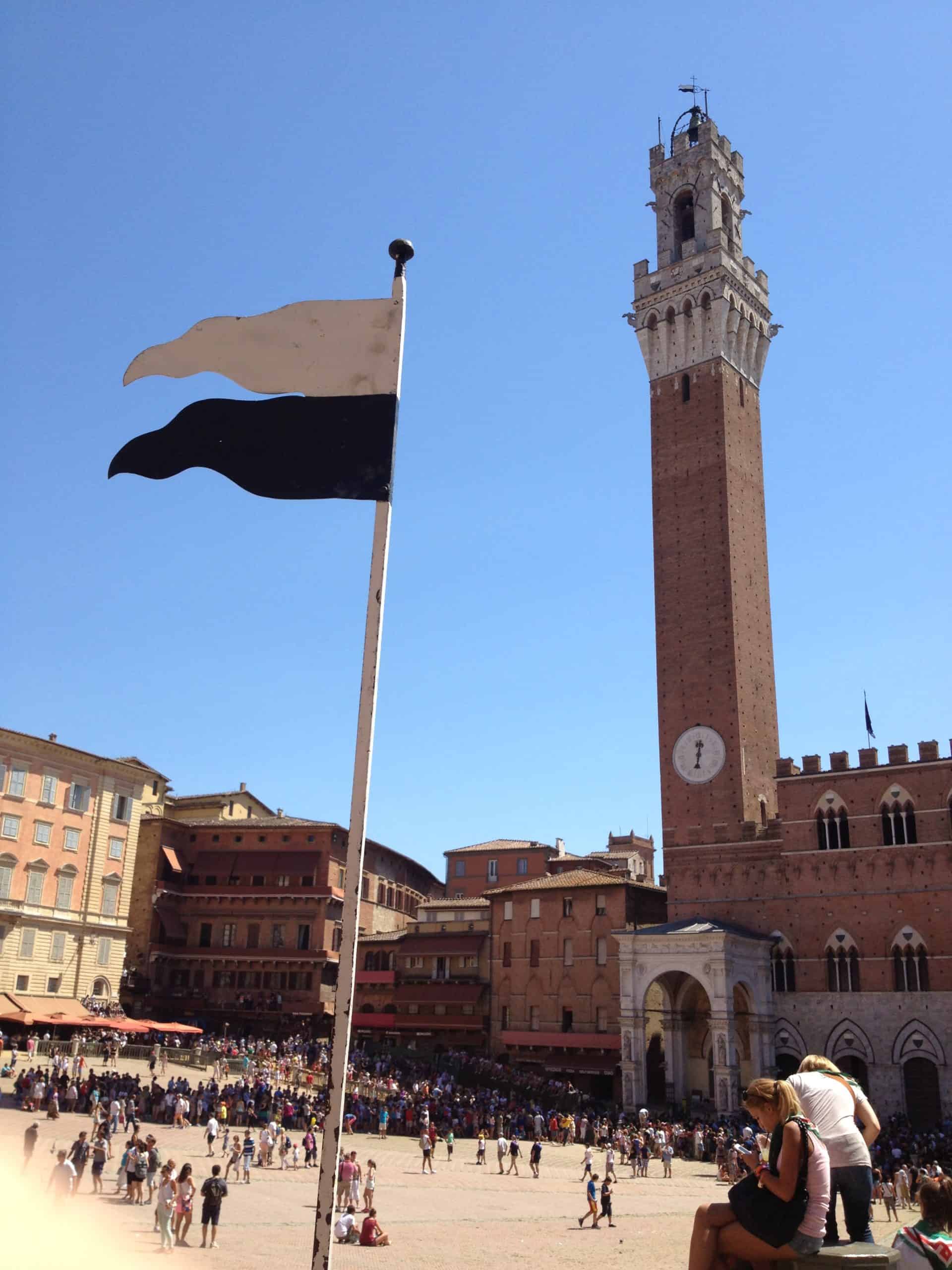
- Visit Piazza del Campo, the shell-shaped square famous for the Palio horse race. Climb the 400 steps to the top of the Tower of Mangia for stunning views
- For a macabre tour, the Torture Museum is just outside of the Piazza and provide interesting insight into medieval torture
- Marvel at the Siena Cathedral (Duomo), a masterpiece of Gothic architecture
Pro tip: The Palio race is held twice a year on July 2 and August 16, but even more interesting is the horse lottery which occurs 4 days before the race, when districts choose their horses and parade them through the streets and into their churches to be blessed.
Afternoon: Pisa
- Train to Pisa after lunch
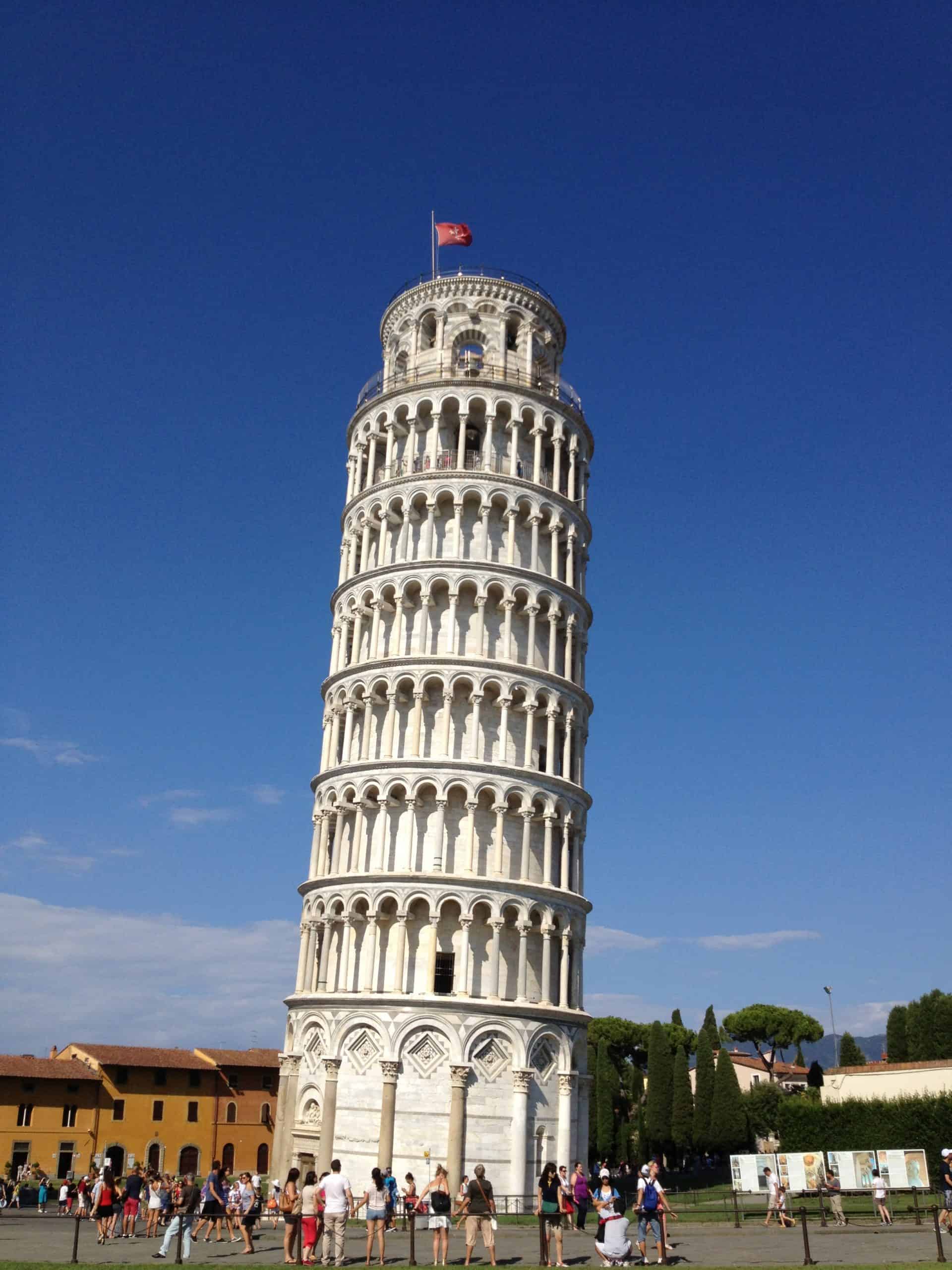
- Visit the Leaning Tower of Pisa and Piazza dei Miracoli
- Stroll along the Arno River and enjoy the street performers and a relaxed café break
Evening
- Return to Florence
- Enjoy a casual dinner near your hotel
- Turn in early to prepare for a long day ahead
Day 6: Cinque Terre (Colorful Coastal Escape)
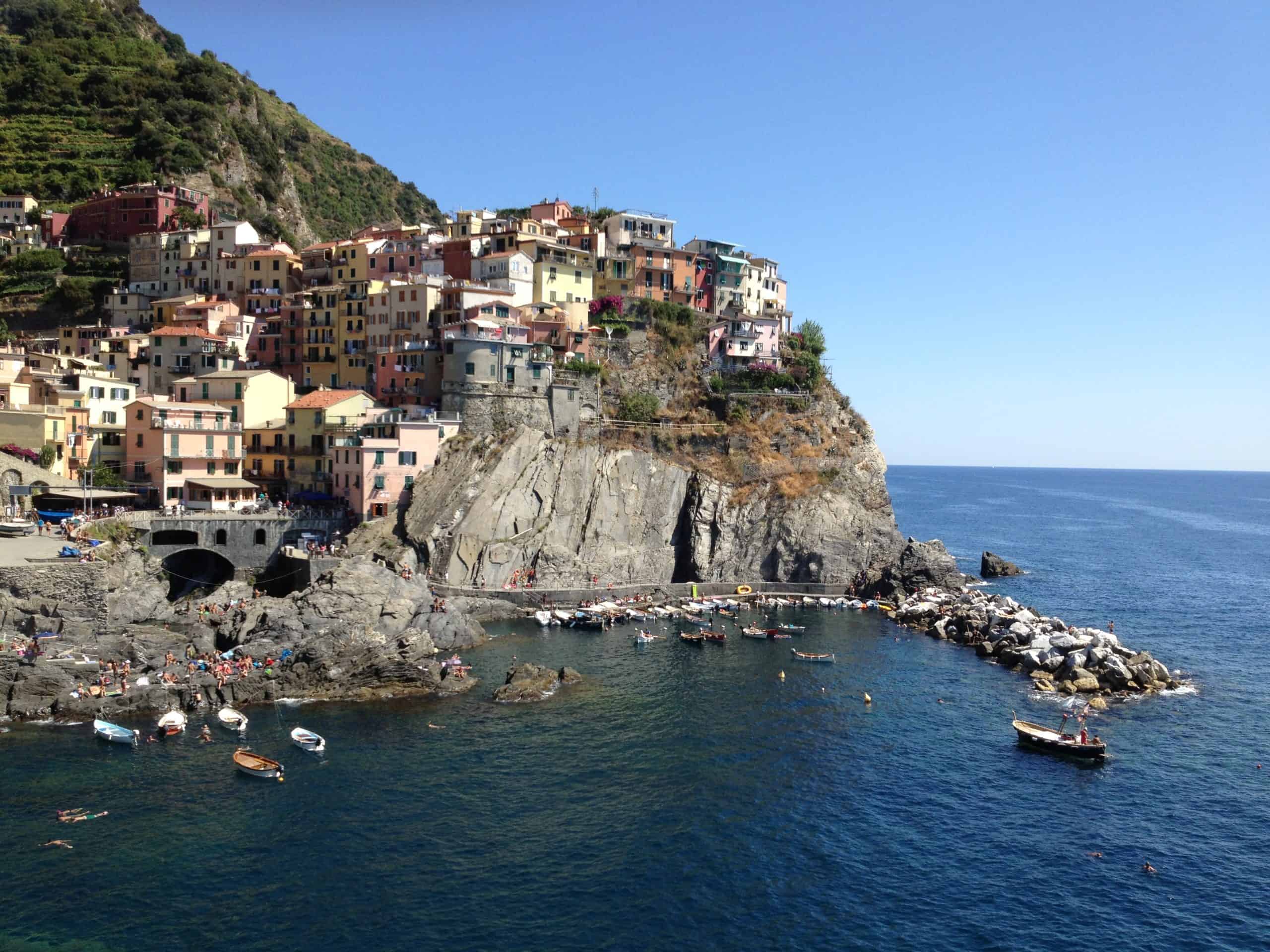
The Amalfi Coast of the North, this is a visually stunning but full day of travel and sights, worth it for the scenery alone.
Travel
- Florence → Monterosso al Mare: ~2.5 – 3 hours by train (with one change)
- Local Cinque Terre trains connect all villages or there is a lovely hiking trail you can take between the villages (total ~8.6 miles; 5-6 hours); or do a mix of the two
Pro tip: This day will take a bit more planning than normal. There is not a “Cinque Terre” train station. You have to look up the actual names of the villages. Watch your timing, train schedules change depending on the time of week and the specific village you are traveling to and from. Use Omio or Rome2rio
Morning
- Early departure from Florence
- Arrive in Monterosso al Mare
- Beach walk or coffee by the sea
- If you are hiking the trail between villages do not linger too long, make your way towards Vernazza (this will be your longest leg)
Afternoon
- Visit Vernazza, Cornigila, Manarola and Riomaggiore by local train or hiking
- Enjoy short coastal walks or scenic viewpoints, take in the salty air
- Lunch with seafood and Ligurian pesto
Evening
- Watch the sun set into the sea before catching a train to Florence
- Have a restful evening with a glass of vino
Pro tip: Cinque Terre is best enjoyed hands-free, so bring a small daypack and good walking shoes.
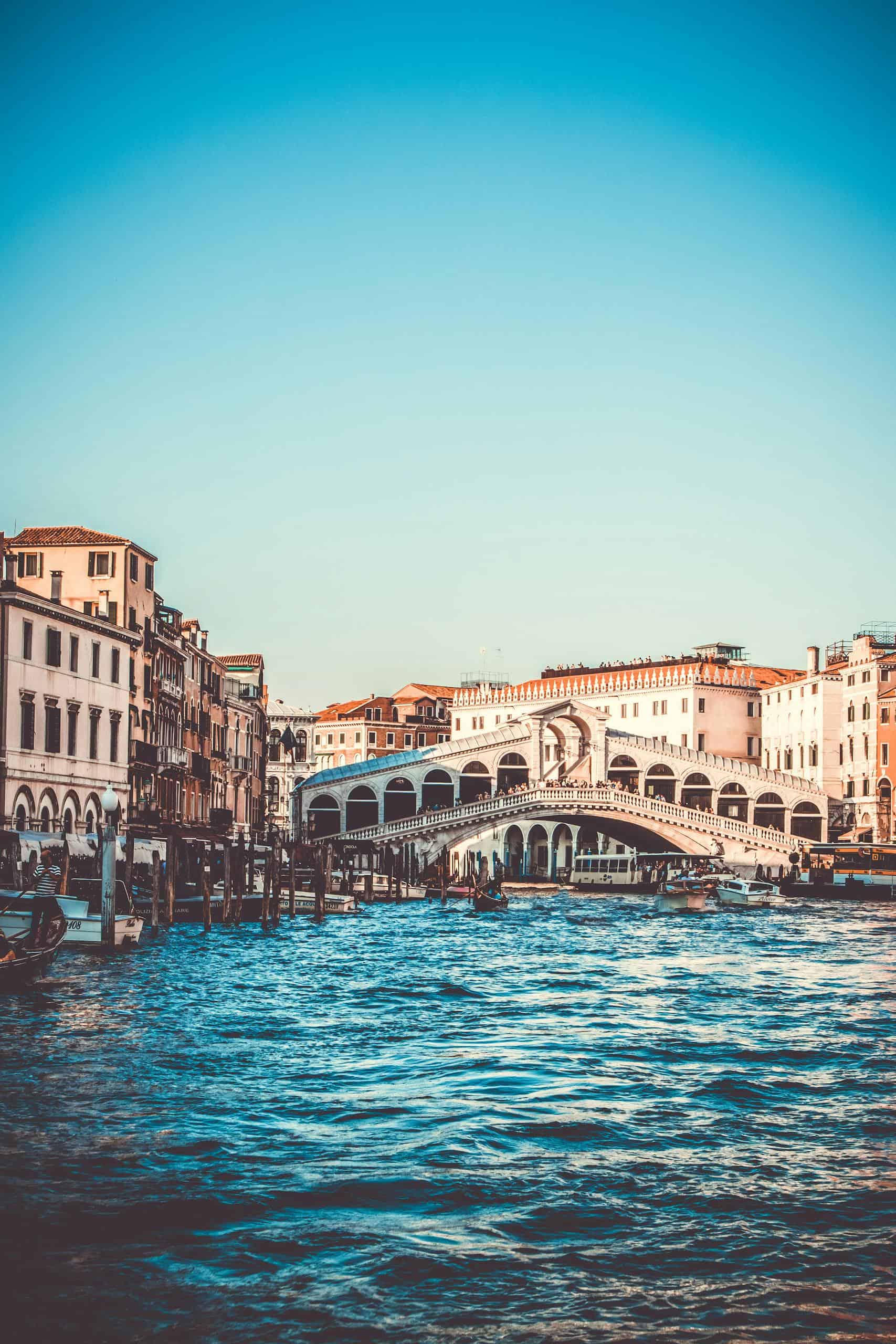
Day 7: Venice
Venice makes a spectacular final stop, romantic and unlike anywhere else in the world. However, if Venice feels like a little too much travel on your last day, I’ve also offered some Tuscan countryside alternatives below to fill your final day in Italy.
Travel
- Florence → Venice: ~2 hours by high-speed train
Pro tip: Venice is a vast labyrinth to explore. Take an early train to maximize time. Also, the streets are a literal maze, so download your map before you get there if you are depending on Wi-Fi.
Morning
- Arrive at Santa Lucia station and take in your first canal view
- Walk to St. Mark’s Square and stop at a gelateria on the way for your first of many gelatos
- Tour St. Mark’s Basilica or simply admire the architecture
Afternoon
- Doge’s Palace: Take a tour and learn how Venice ruled a maritime empire. Don’t miss the Bridge of Sighs. You can take a tour inside or view the limestone bridge from Ponte della Paglia
- Take a Gondola or Vaporetto (budget-friendly water bus) ride along the Grand Canal for a scenic city tour
- Make your way to Rialto Bridge for an iconic photo
Evening
- Aperitivo in a quiet campo away from tourist crowds
- Return to Florence late evening or overnight in Venice and departing from there
Day 7: Tuscan Countryside (Alternative)
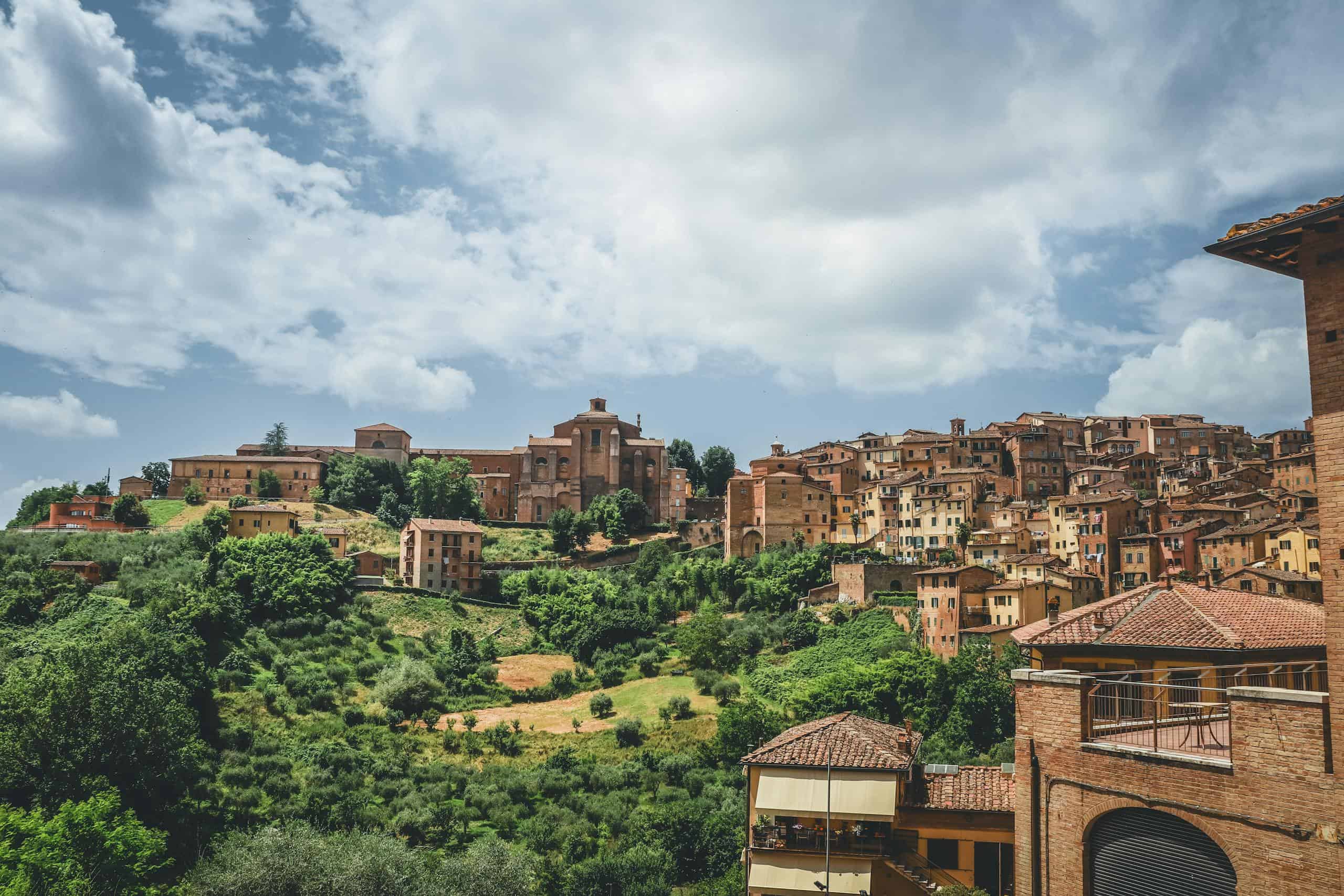
If Venice feels like too much movement at the end of your trip, this alternative Day 7 is a perfect fit. It trades train schedules for rolling hills, medieval castles, and world-class wine, an ideal way to slow down and savor Tuscany before heading home.
Travel Time
- Florence → Chianti countryside: ~1 hour by minivan
- Driving yourself: ~45–60 minutes (winding country roads)
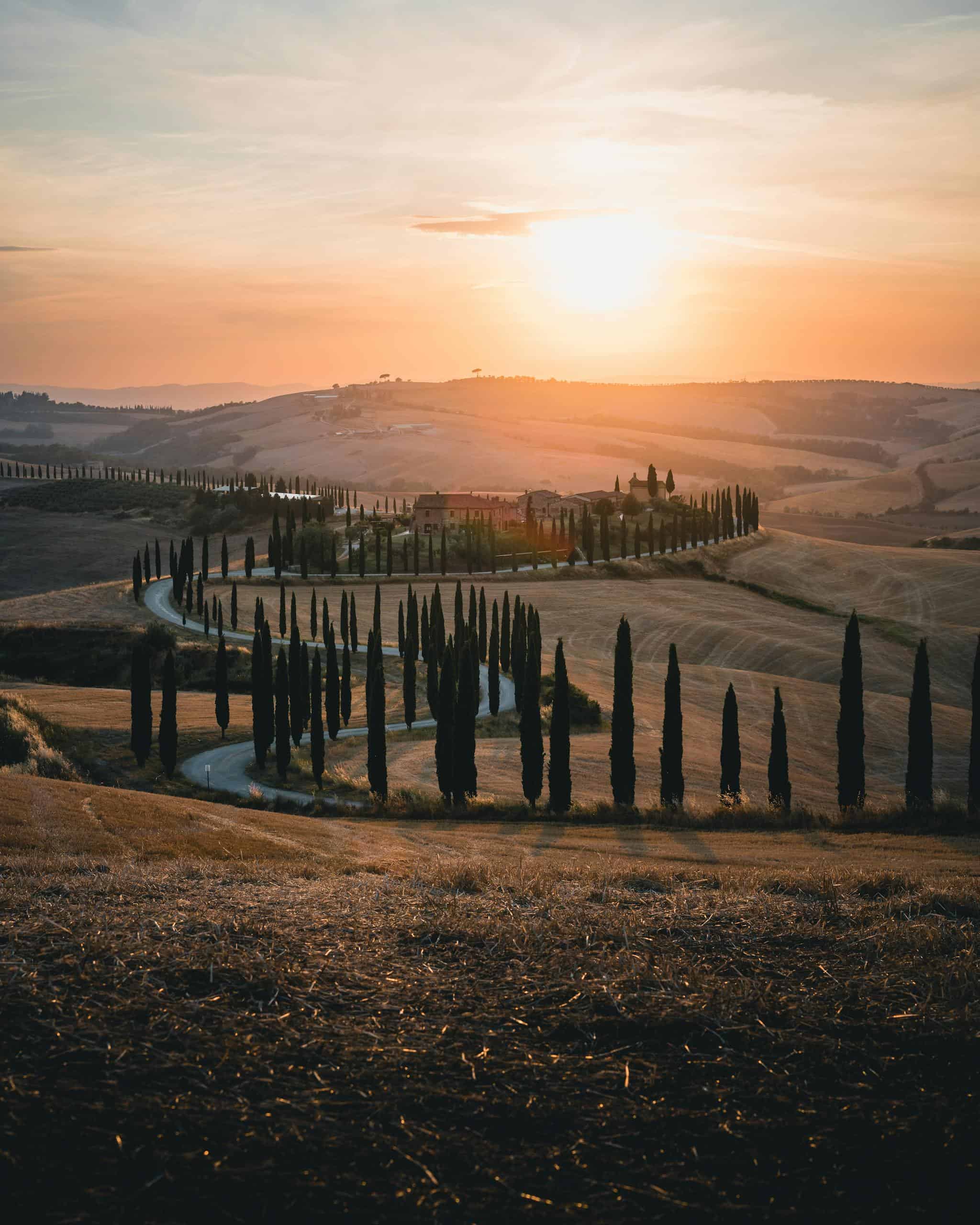
Pro Tip: Rent a car and depart Florence in the morning heading south into the Chianti countryside, where vineyards, cypress trees, and stone farmhouses define the landscape. You can also choose any number of tour operators that will take you by bus, allowing you to savor wine without having to get behind the wheel. Sit on the right side of the vehicle for the best countryside views.
Morning: Florence → Chianti Wine Region
- Castello di Brolio: This dramatic hilltop castle has been owned by the Ricasoli family for over 900 years and is widely considered the birthplace of modern Chianti wine.
- Walk through the castle grounds and historic gardens
- Learn how Baron Bettino Ricasoli formalized the Chianti wine recipe
- Guided tasting of Chianti Classico wines overlooking the vineyards
- Enjoy a leisurely drive along classic Chianti roads between Gaiole, Radda, and Castellina in Chianti. This stretch is Tuscany at its finest: vineyards, olive groves, and medieval villages perched on hilltops.
Afternoon
- Castello di Verrazzano: Set just outside the charming town of Greve in Chianti, this working estate combines history, wine, and food seamlessly.
- Guided cellar tour (aging rooms, underground tunnels)
- Wine tasting featuring Chianti Classico and Super Tuscan styles
- Traditional Tuscan lunch with estate-produced olive oil, cured meats, and pasta
- Option 1: San Gimignano: Step back in time at this UNESCO-listed town famous for its medieval towers.
- Walk the main street lined with artisan shops
- Visit Piazza della Cisterna
- Taste award-winning gelato at Gelateria Dondoli
- Option 2: Monteriggioni: A tiny, perfectly preserved walled village ideal if you want less walking and fewer crowds.
- Walk the medieval walls
- Enjoy a coffee or glass of wine inside the village
- Late Afternoon: Do a second winery visit at one of these boutique family-run estates where the tastings are more intimate and educational, often hosted by the winemakers themselves:
- Castello di Ama – Known for refined wines and contemporary art installations
- Badia a Coltibuono – A former monastery producing wine, olive oil, and honey
Evening: Return to Florence
- Farewell dinner in the Oltrarno district
- Wine bar near Santo Spirito for a final Tuscan toast
- Gelato walk along the Arno River
Final Thoughts from Your Travel Consultant
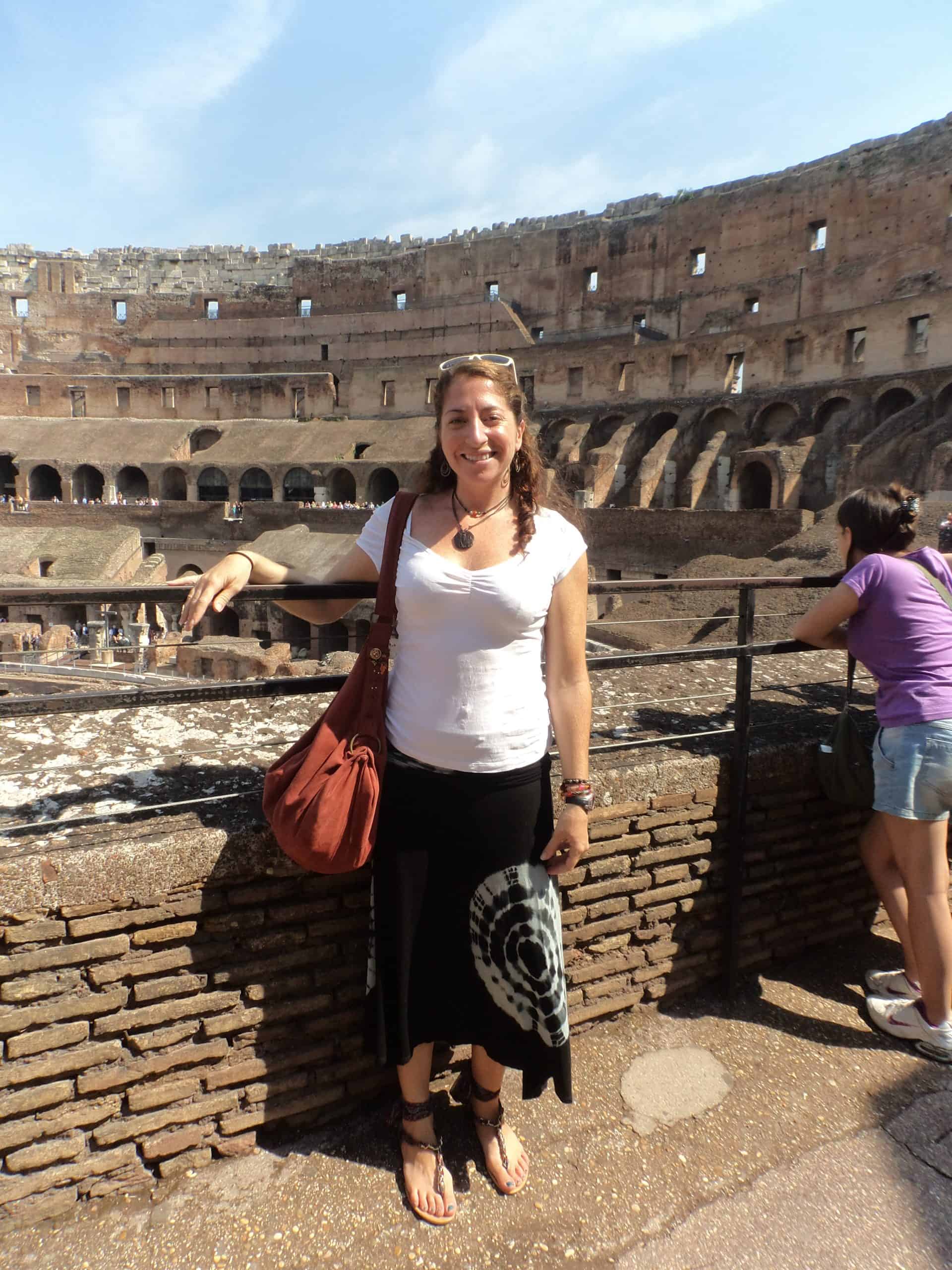
Italy has a way of capturing your heart, especially on a first visit, and the right itinerary makes all the difference. Whether you’re drawn to the energy of Naples and the drama of the Amalfi Coast, the authentic charm of Puglia, or the art-filled streets of Florence with easy day trips beyond, each of these 7-day Italy itineraries starting in Rome are designed to help you see the best of the country while still savoring the experience.
Of course, planning your trip takes much more than an incredible itinerary, it takes logistics. If you’d like help customizing one of these routes, refining transportation logistics, or upgrading to a fully supported travel experience, I’m always happy to help you turn a great plan into an unforgettable Italian journey.
Get in touch to discuss my customized itinerary services or full concierge travel advising service. Visit my services page to get started.