
A Guide to Pompeii, Italy: Tips for Visiting Pompeii’s Ruins
When I first visited Pompeii in 2013, I spent two unforgettable days tracing every ancient street, stepping into quiet courtyards, and soaking up the eerie stillness of a city frozen in time. Back then, I was backpacking and stayed in a hostel called Otello Deluxe just off the piazza in the modern city of Pompei, enjoying simple meals with new friends and marveling at the sheer scale and preservation of the ruins. Fast-forward to today: I’m now a travel advisor, and Pompeii remains one of the most powerful historical sites I’ve ever experienced—and one I not only plan on returning to myself but recommend to my clients without hesitation.
In this guide I’ll provide a short description of the site, tips on how to explore Pompeii successfully gained from personal and client experience, detail the must-see sites in the city, and provide guidance on getting to Pompeii from each major city surrounding the site.
💎 Skip the stress and let me handle the details! I’ll design a fully customized itinerary featuring Pompeii and Italy’s most iconic (and hidden) destinations. Click through to my Services Page to start planning your Italian escape.
Then and Now: My Experience Touring Pompeii
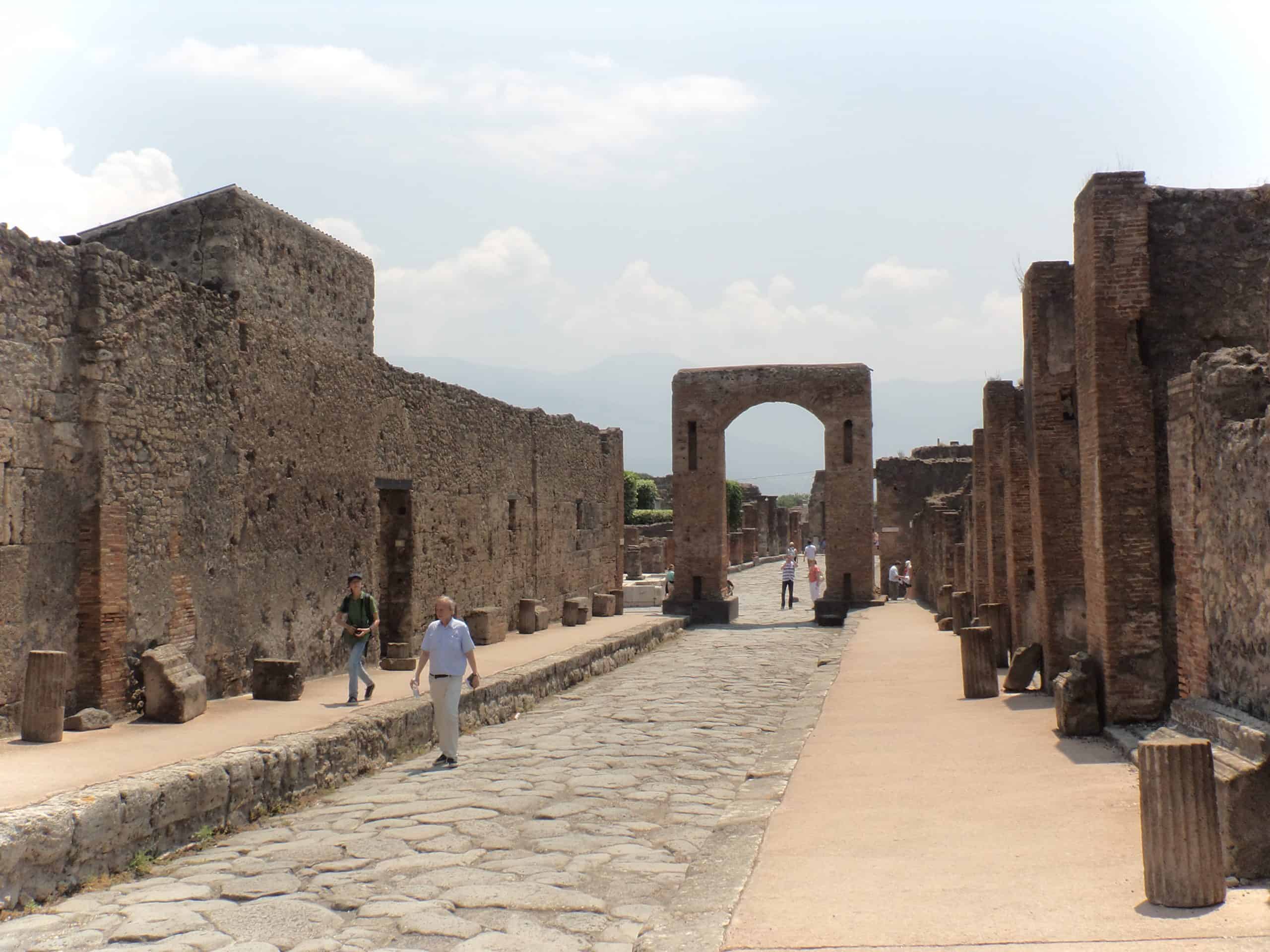
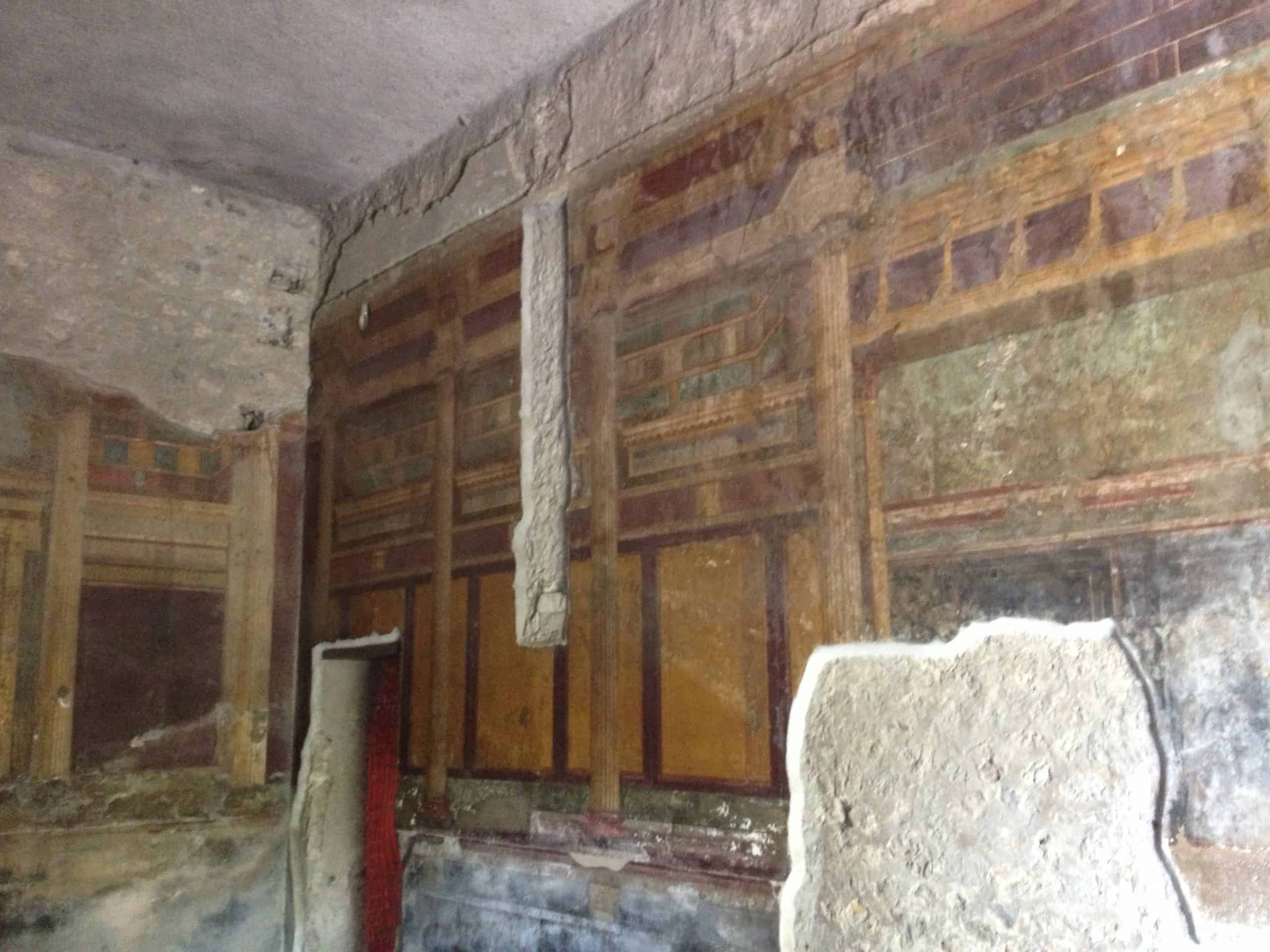
Walking through Pompeii in 2013 felt like stepping into a living, breathing ghost town. Despite being partially unearthed for centuries, the site felt raw, almost secret. Many frescoes were still in situ, vibrant and seemingly untouched by time. I wandered until my feet ached, with a cryptic map and no guide, discovering brothels, bathhouses, temples, and political graffiti on ancient walls. Some parts were cordoned off, but I admit to gently slipping past the occasional flimsy rope for a moment of solitude in the forgotten corners of the site (Not something I recommend or that I think would be tolerated today). That sense of wonder still lingers every time I think back. This is an actual quote from a blog I wrote back in 2013:
Being in this place makes it a little easier to imagine the lives that these people led, the homes they lived in, the temples they worshiped in, the businesses they ran, and politicians they supported. The streets are still grooved from the wheels of wooden carts now decayed and gone, and the crossing stones and narrow sidewalks are worn from the footfall of a people long forgotten.
I imagine that one day this will all fade, and Pompeii will cease to exist, a portal into the past closed forever. To imagine that such a thriving community could just vanish in span of a day is almost beyond comprehension. Now seeing how fragile it is, it is not hard to believe that this site could and probably will eventually be lost to us forever. I am really happy to have made it here, while it is still vivid and real.
Today, the experience is both more refined and more accessible. Audio guides, apps, and guided tours are widely available, and restoration efforts continue to reveal new treasures, like the remarkably preserved Thermopolium unearthed in 2020 or the excavation of a home in 2024 which revealed human remains of four residents, including that of a child. While there are more visitors now than when I visited, the site is so expansive that you can still find quiet side streets to reflect and roam.
A daily visitor cap and assigned entry times have been enacted in recent years as well, to avoid overburdening the delicate ruins, so if you are planning a visit, buy your tickets early either directly on the parks website or through a tour company.
Tips for Visiting Pompeii
If you’re planning a visit, here are my insider tips to make the most of your journey:
1. Start Early and Stay Cool
Pompeii gets hot, especially in summer. Plan to arrive when gates open (usually around 8:30 AM), bring a refillable water bottle, wear a hat, and slather on sunscreen. There’s limited shade, and you will want to explore for hours (Trust me!).
2. Choose Your Entrance Wisely
There are three main entrances:
- Porta Marina: Most used due to its proximity to the Pompeii Scavi Train Station or the Circumvesuvia train line, and its tourist facilities.
- Piazza Anfiteatro: Most accessible from the modern city of Pompei. A 15-minute walk from the Porta Marina, this gate is closest to the amphitheater and other important sites.
- Piazza Esedra: Near the modern city of Pompei and where many tour groups meet.
Be sure to buy your entrance tickets or skip the line tours online ahead of time; this will save you hours of standing in the ticket line.
3. Book a Guided Tour (or Use a Self-Guided TourApp)
It is worth booking a guided tour. While I loved discovering Pompeii on my own, I highly recommend booking a knowledgeable guide who will bring context to what you’re seeing and entertaining insight geared to you. This is especially helpful when travelling with young children who need to be engaged. However, if you prefer independence with insight, you can also download apps like “Pompeii Touch“ for an interactive experience.
Either way, I recommend leaving yourself a least a couple of hours after your tour to wander on your own and spend leisure time with the city. There are many quiet streets that the tours don’t go down — that is why they’re quiet. These spaces are a perfect place to reflect on the everyday existence of those long gone.
4. Stay Local
Many people choose to visit Pompeii on day tours from Naples or Sorrento, with some joining tours from as far as Rome. There are no poor choices depending on your itinerary, but for the most relaxing experience, consider spending a night or two in modern Pompei or nearby towns like Torre Annunziata, where you can wake up late an enjoy a meal at a quiet cafe` instead of rushing to catch the train or tour bus. With a less hectic travel arrangement you’ll be able to avoid crowds and get to see the ruins at a quieter time.
Another choice gaining popularity is the slightly further but less touristy city of Salerno. From this base you can get to Pompeii in about 40-minutes by train, but you can also easily explore the Amalfi Coast or the Greek-style ruins of Paestum to the South.
5. Pompeii VS. Herculaneum, Why Choose?
Pompeii vs Herculaneum is a common conundrum for visitors to the region, but I say why choose when you can easily see both! Believe me when I tell you that both archeological sites are well worth a visit.
Herculaneum, only a 20-minute ride on the Circumvesuvia train, is smaller but a better-preserved site due to its early destruction on the day of the eruption. With two story buildings, wooden furniture and carbonized scrolls still intact, and piles of skeletal remains discovered in its boat houses, it has its own fascinating and tragic story to tell.
If you get an early start in Pompeii, it can easily be explored in the same day, and you won’t find any of the long lines or crowds that plague the more popular Pompeii ruins.
Bonus Tip: If I had to make a choice between exploring Herculaneum or climbing Mt. Vesuvius I would choose the former every time for its authenticity and historical significance over the uber tourism of the latter. However, if you can do all three, and can see past the droves of tour buses and vendors, Mt. Vesuvius can also be a beautiful and significant hike.


How To Get To Pompeii
We talked about the benefits of staying in the modern city of Pompei while touring the archeological park, but for those with an itinerary that cannot accommodate a local stay, there are still plenty of options.
Pompeii From Rome
- By Car:
- Distance: ~240 km
- Drive Time: ~2.5 hours via A1 and A3 highways
- Tips: Expect tolls and traffic near Naples. Parking near Porta Marina entrance costs ~€10–€15/day.
- By Train:
- Route: Roma Termini → Napoli Centrale (high-speed) → Circumvesuviana to Pompei Scavi
- Duration: ~2 hours total
- Cost: €45–€65 (high-speed + local train)
- Tips:
- Book high-speed tickets in advance for savings.
- Use Pompei Scavi–Villa dei Misteri station (closest to ruins).
- Circumvesuviana trains are basic and crowded—avoid peak hours.
- Booking a Day Tour From Rome
- Available: Yes, there are many options from Rome.
- Options: Many are Full Day Tours with stops at wineries or Amalfi Coast
- Cost: €95–€180 +
- Includes: Transport by bus, guide, skip-the-line entry
Pompeii From Naples
- By Car:
- Distance: ~25 km
- Drive Time: ~30 minutes
- Tips: Use A3 highway, exit at “Pompei Ovest.” Paid parking near Porta Marina.
- By Train:
- Route: Napoli Centrale → Pompei (Circumvesuviana or Campania Express)
- Duration: ~30–40 minutes
- Cost: €3.30 (Circumvesuviana), €15 (Campania Express)
- Tips:
- Circumvesuviana is frequent but crowded.
- Campania Express offers AC, reserved seats, and tourist-friendly service.
- Depart early to avoid crowds
- Booking a Day Tour from Naples
- Available: Yes, there are many options from Naples
- Options: Half-day or full-day tours, some include Mount Vesuvius or Herculaneum. Cruise ship excursions available from this location.
- Cost: €40–€100 depending on inclusions
- Includes: Transport by bus, guide, skip-the-line entry
Pompeii From Sorrento
- By Car:
- Distance: ~24 km
- Drive Time: ~35 minutes via SS145
- Tips: Scenic drive but can be congested in summer.
- By Train:
- Route: Sorrento → Pompei Scavi–Villa dei Misteri (Circumvesuviana or Campania Express)
- Duration: ~30–40 minutes
- Cost: €2.80 (Circumvesuviana), €8–€15 (Campania Express)
- Tips:
- Circumvesuviana runs every 30 mins.
- Campania Express is seasonal (spring–autumn), more comfortable.
- Buy tickets early and avoid midday heat
- Booking a Day Tour from Sorrento
- Available: Yes, there are many tour options from Sorrento
- Options: Half-day, full-day, combo tours with Mount Vesuvius or wine tasting
- Cost: €45–€100
- Includes: Transport by bus, guide, skip-the-line entry
Pompeii From Salerno
- By Car:
- Distance: ~32 km
- Drive Time: ~30 minutes via A3
- Tips: Easy drive, less traffic than Naples route.
- By Train:
- Route: Salerno → Pompei (Trenitalia regional train)
- Duration: ~40–45 minutes
- Cost: €3–€6
- Tips:
- Direct trains run hourly.
- Pompei station is ~15-minute walk to ruins.
- High-speed option via Naples also available but more expensive
- Booking a Day Tour from Salerno
- Available: Yes, although there are fewer options
- Options: Private, group, and shore excursions for cruise passengers
- Cost: €50–€120
- Includes: Transport by bus, guide, skip-the-line entry
Visit my Best Apps for Travel article for the best booking apps from car rentals to trains.
A Guide to Must-See Highlights in Pompeii
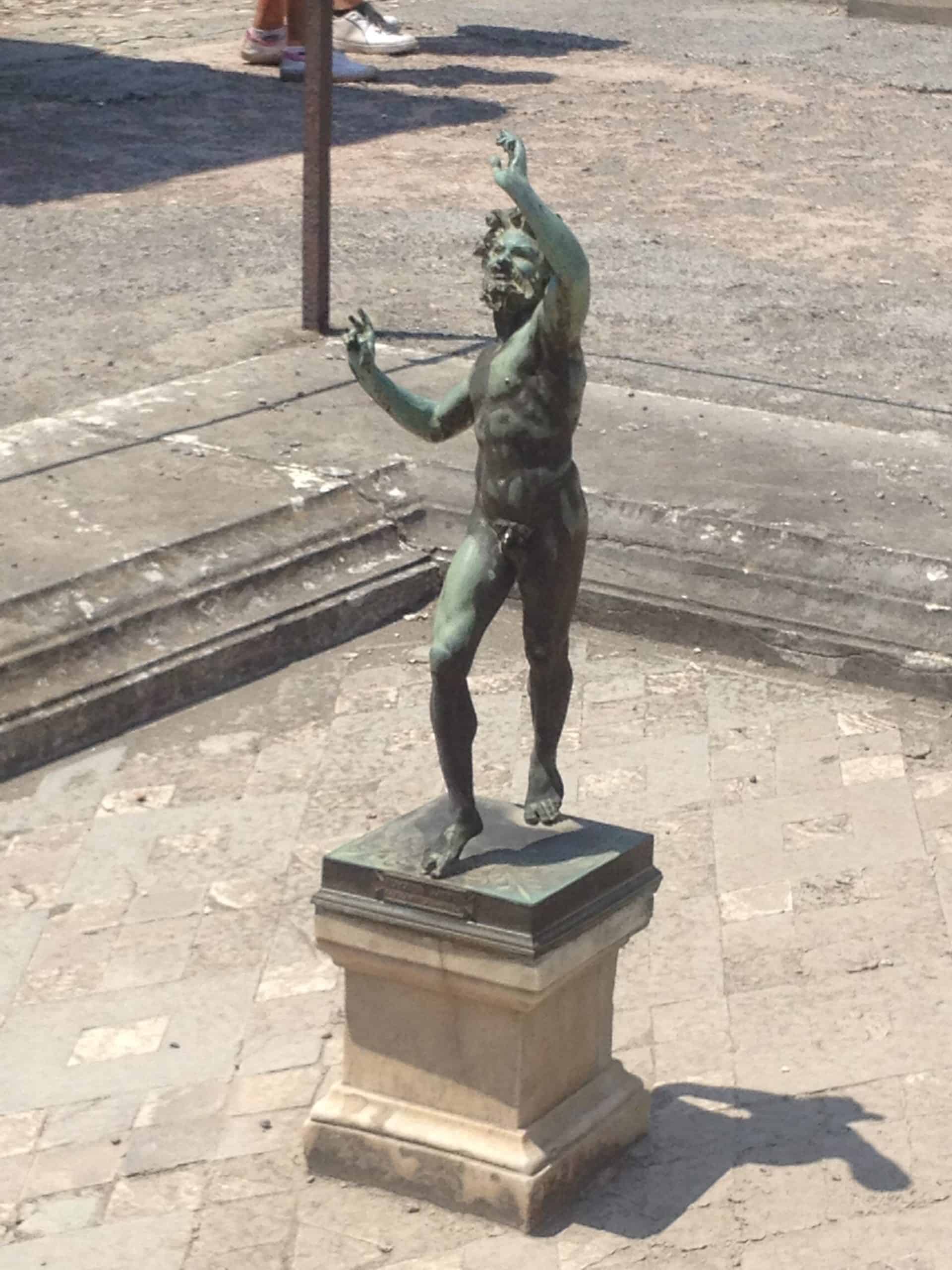
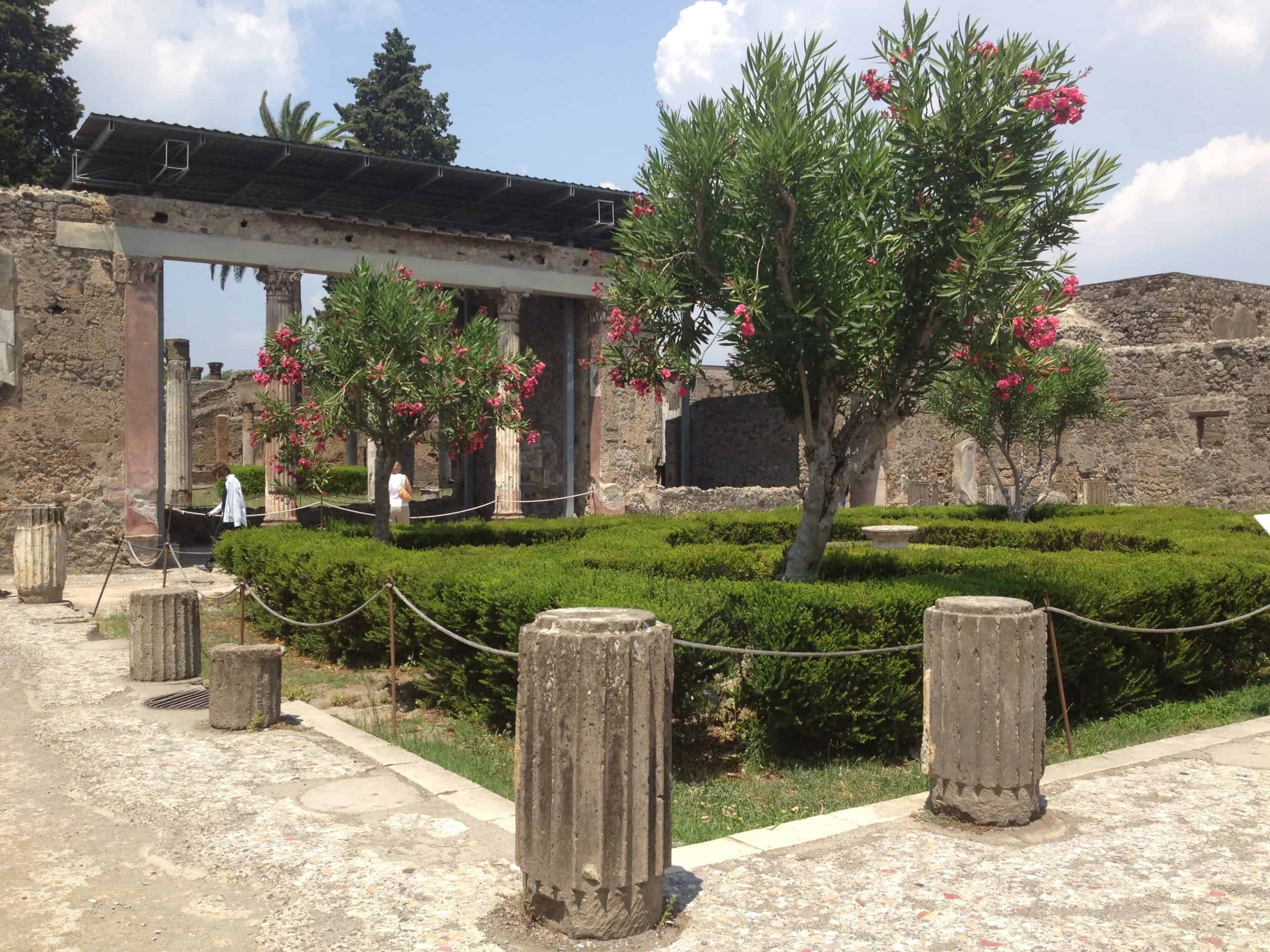
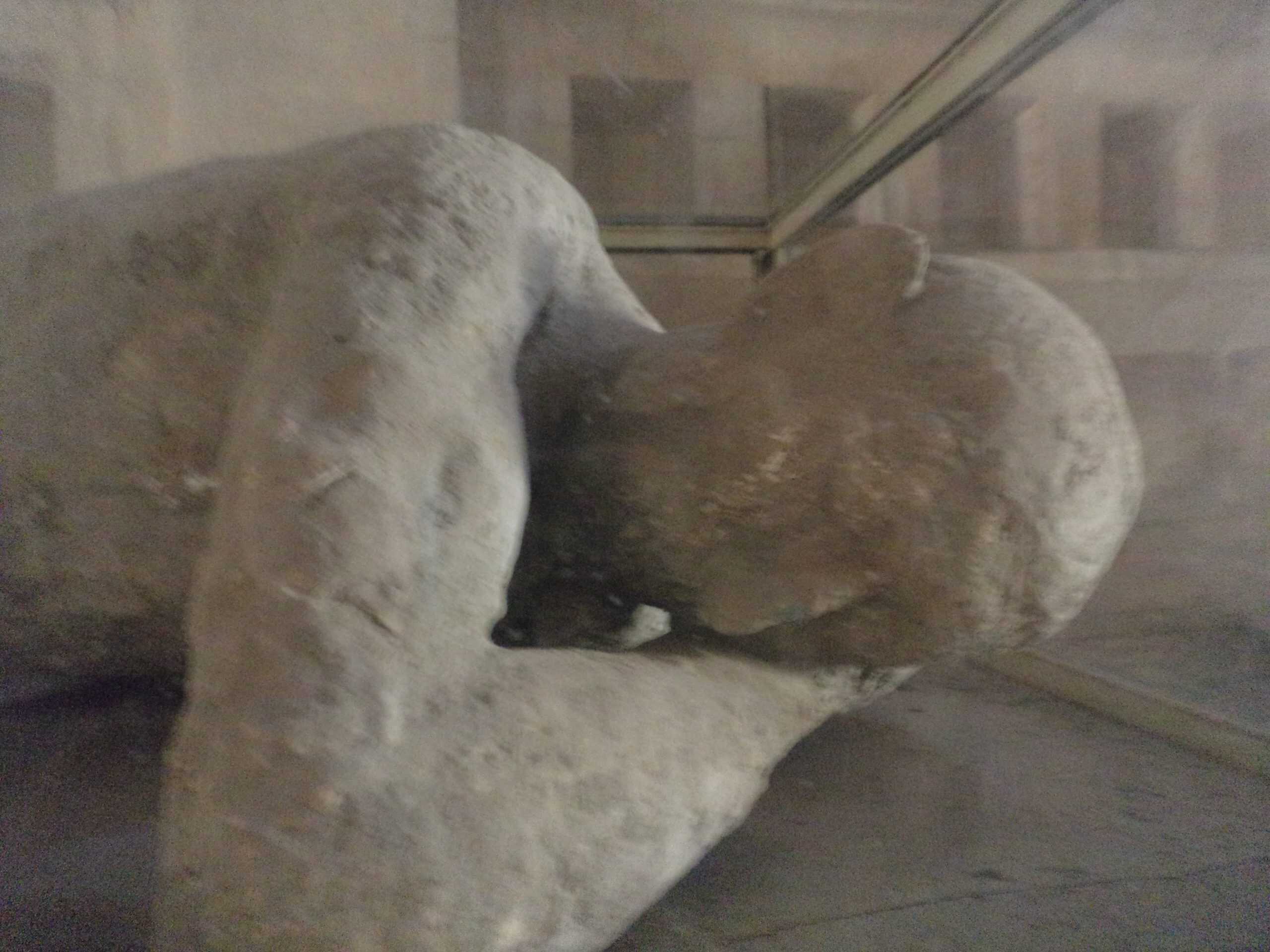
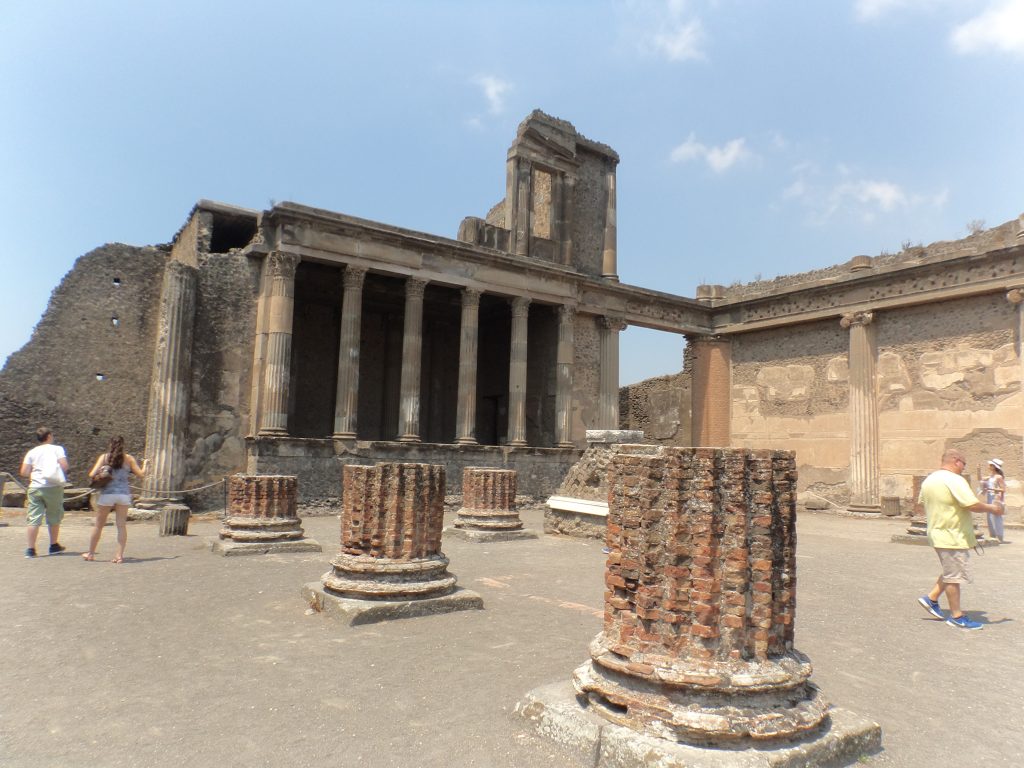
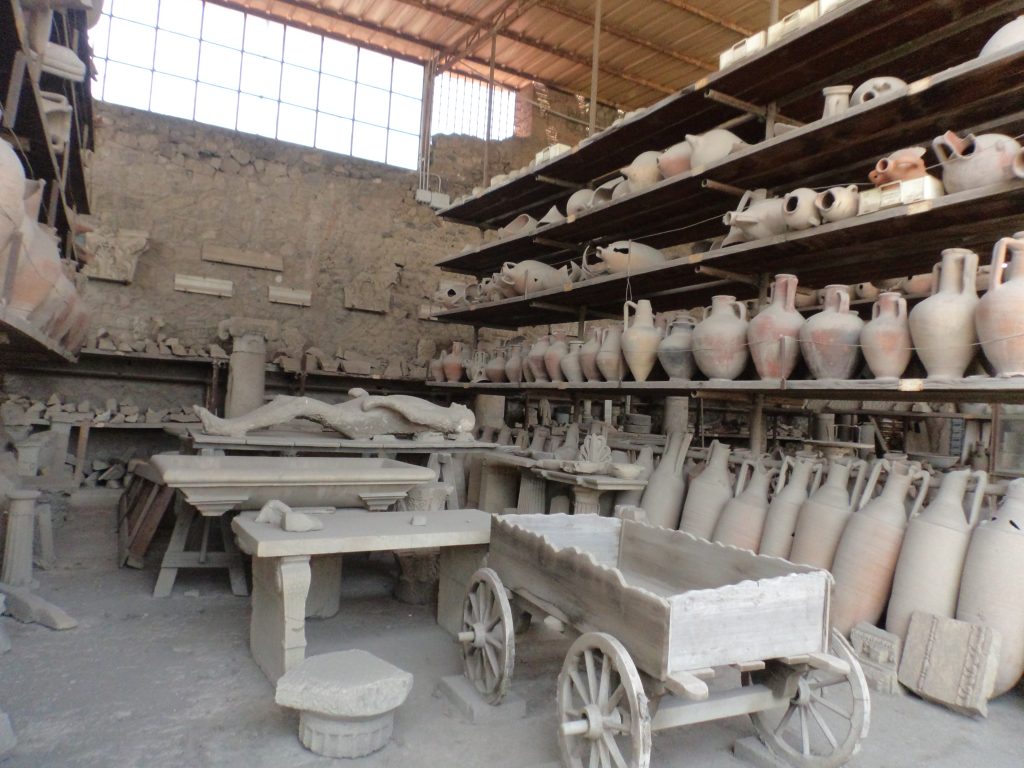
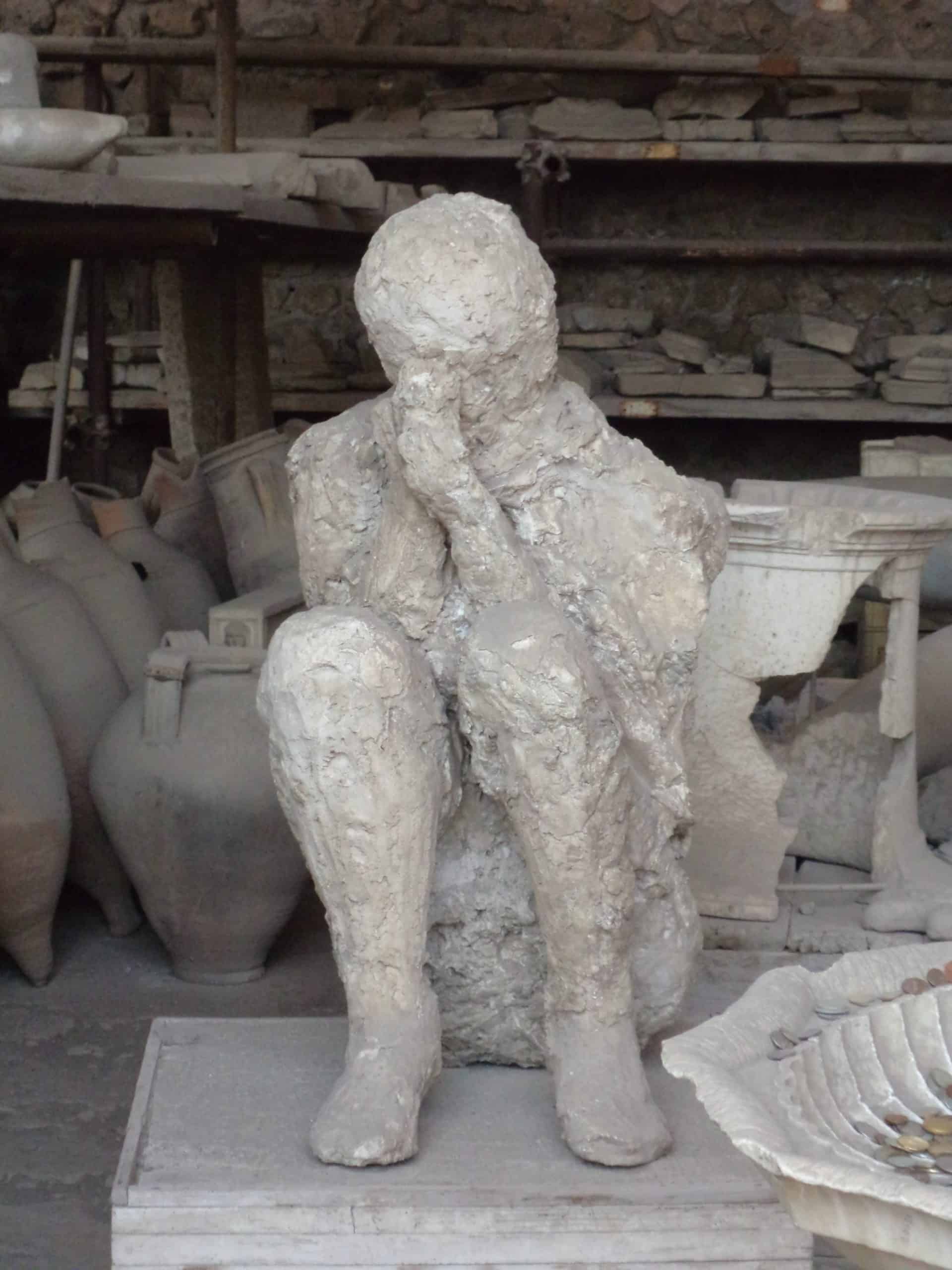
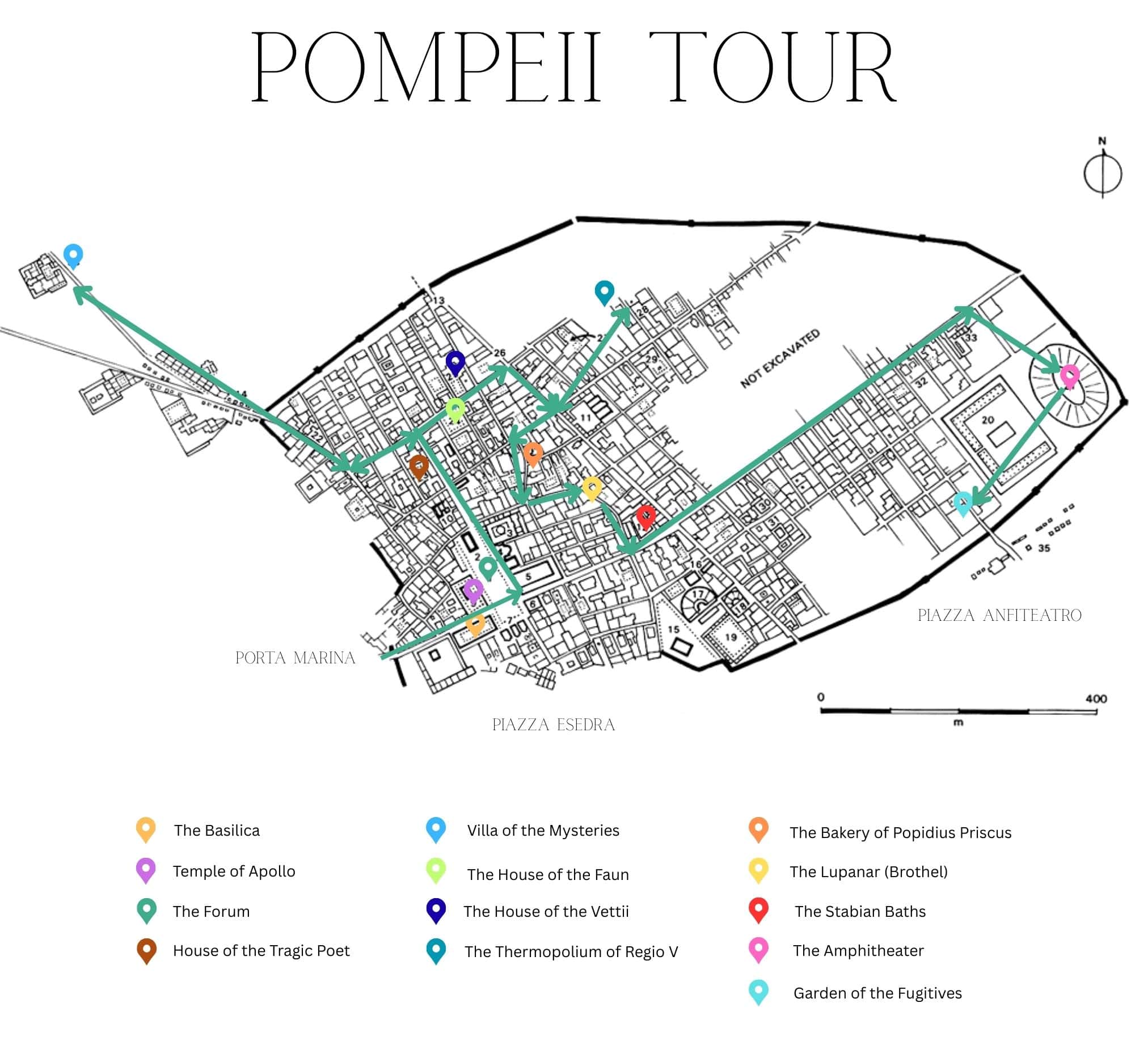
Below is a collection of just a few of the incredible artifacts, streets and buildings I personally captured on my visit to Pompeii, followed by a list of sites you simply cannot miss during your own exploration. This list is far from all inclusive – just a few of my personal favorites.
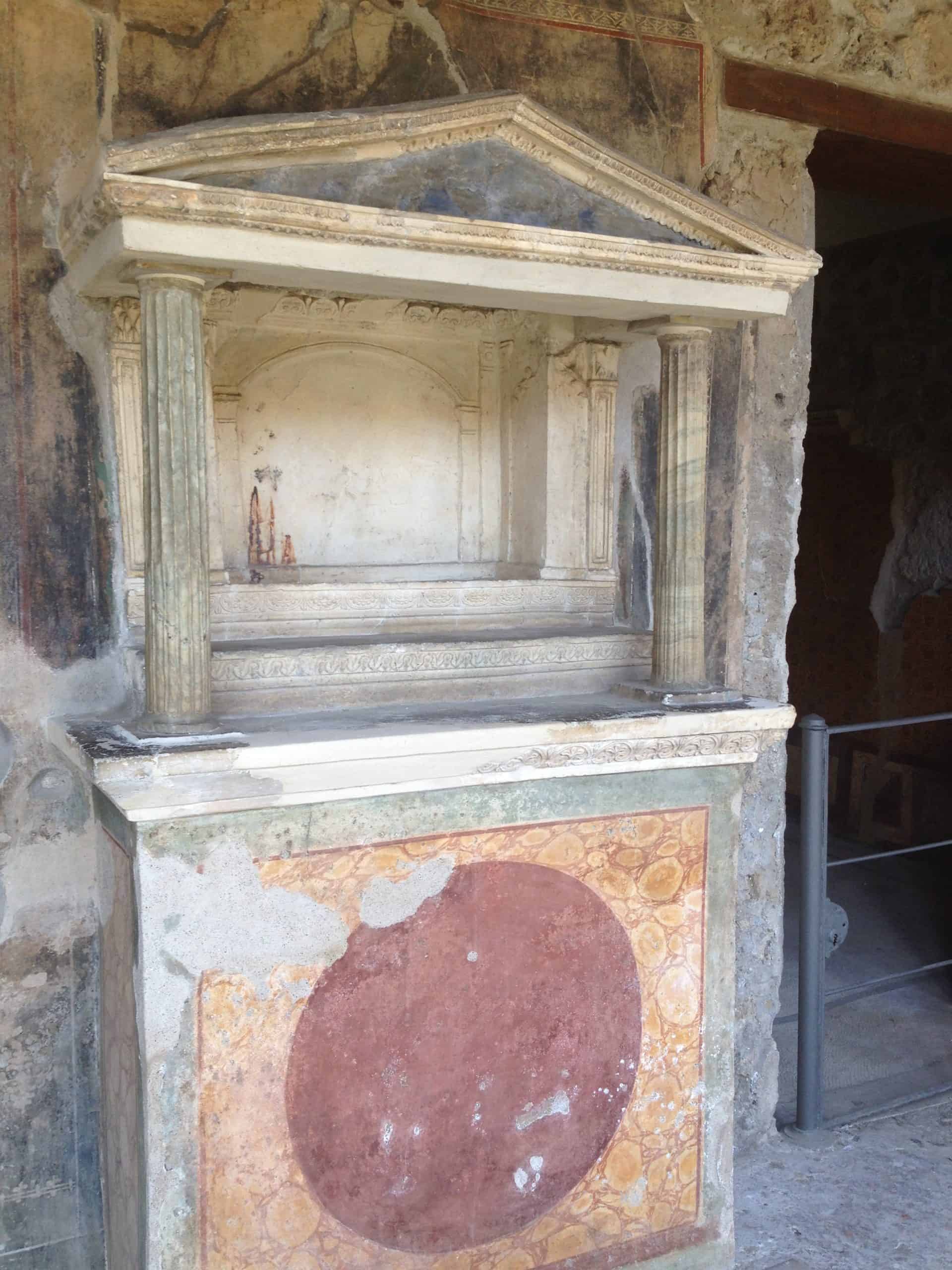
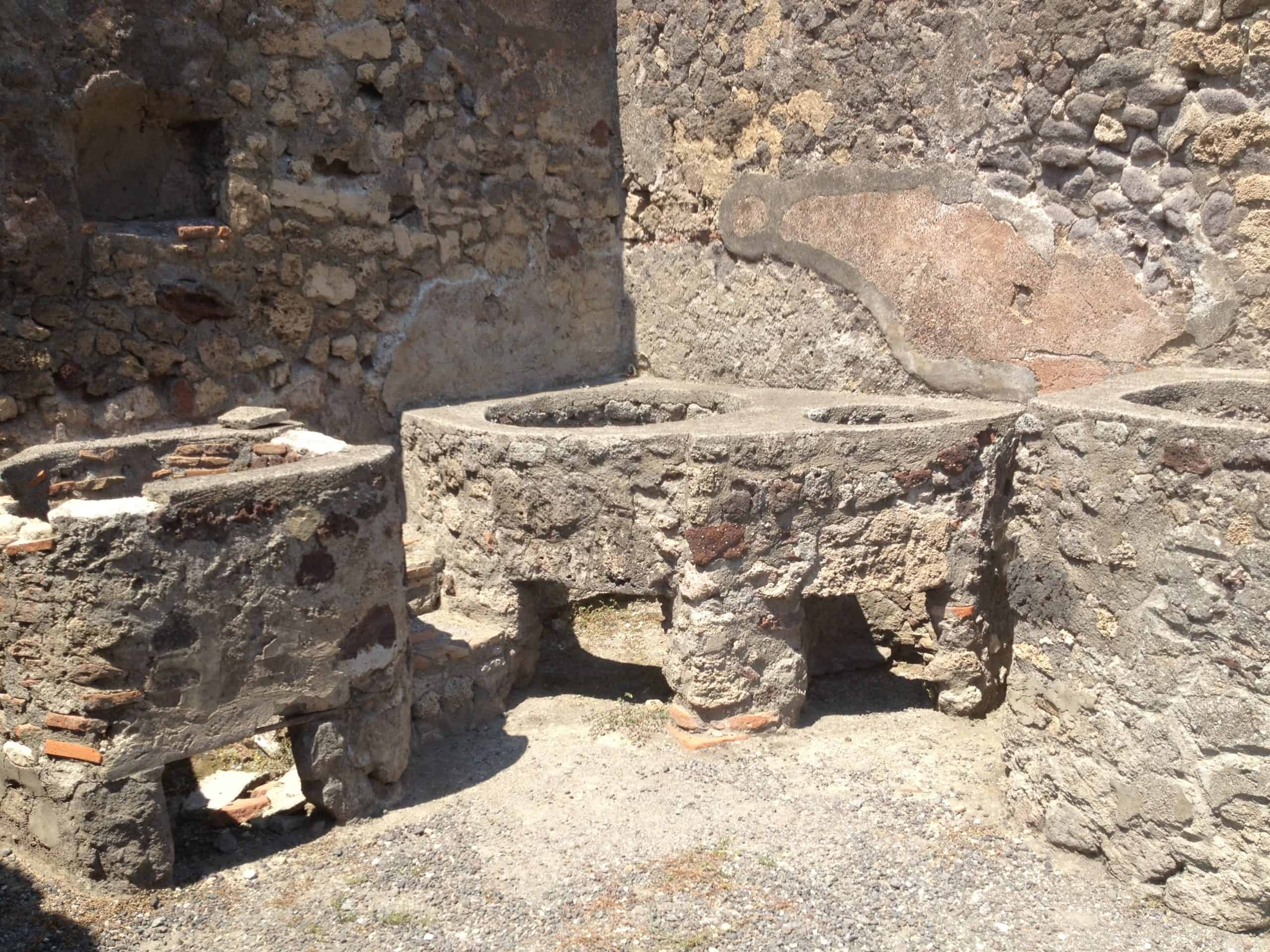
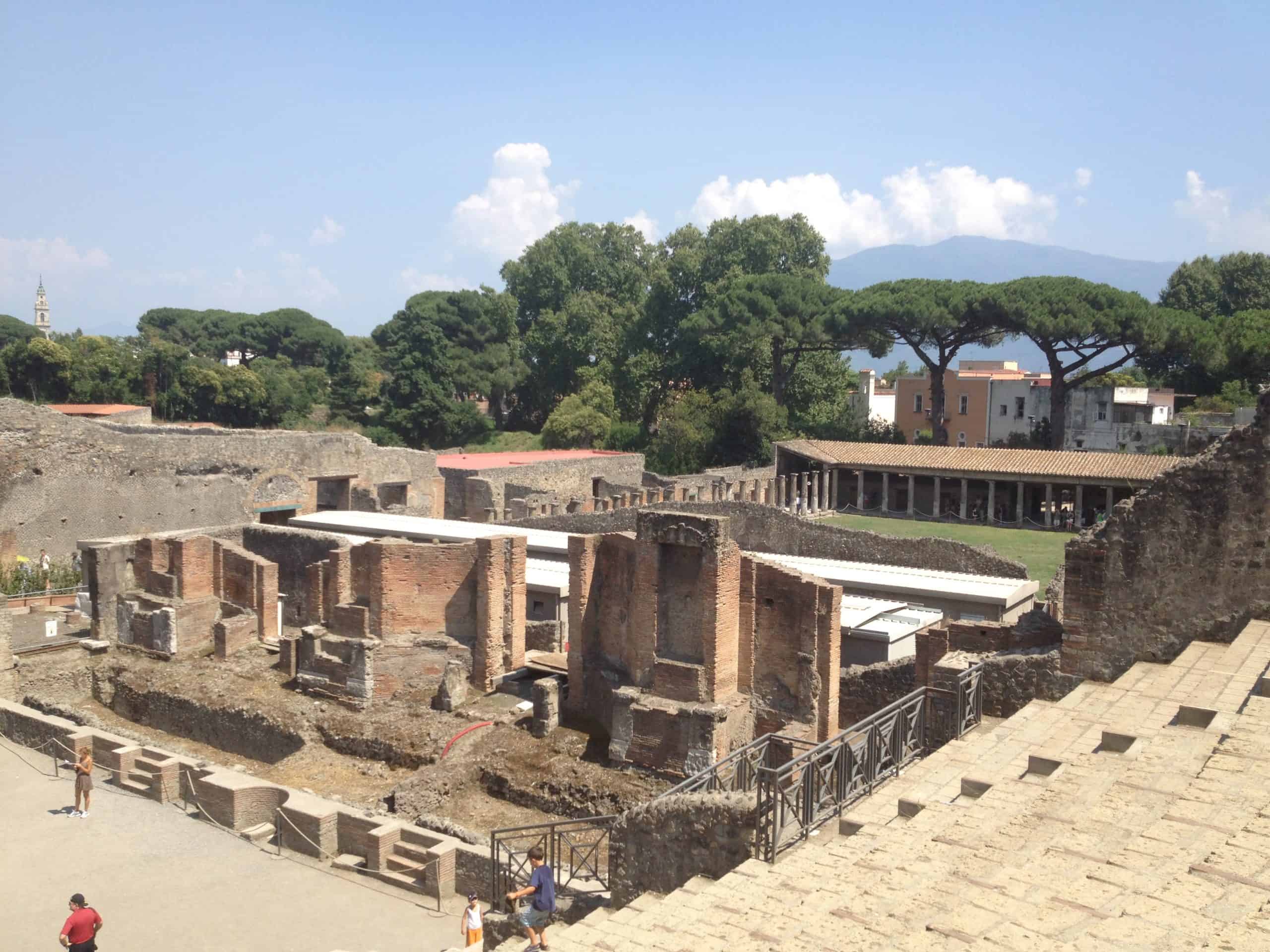
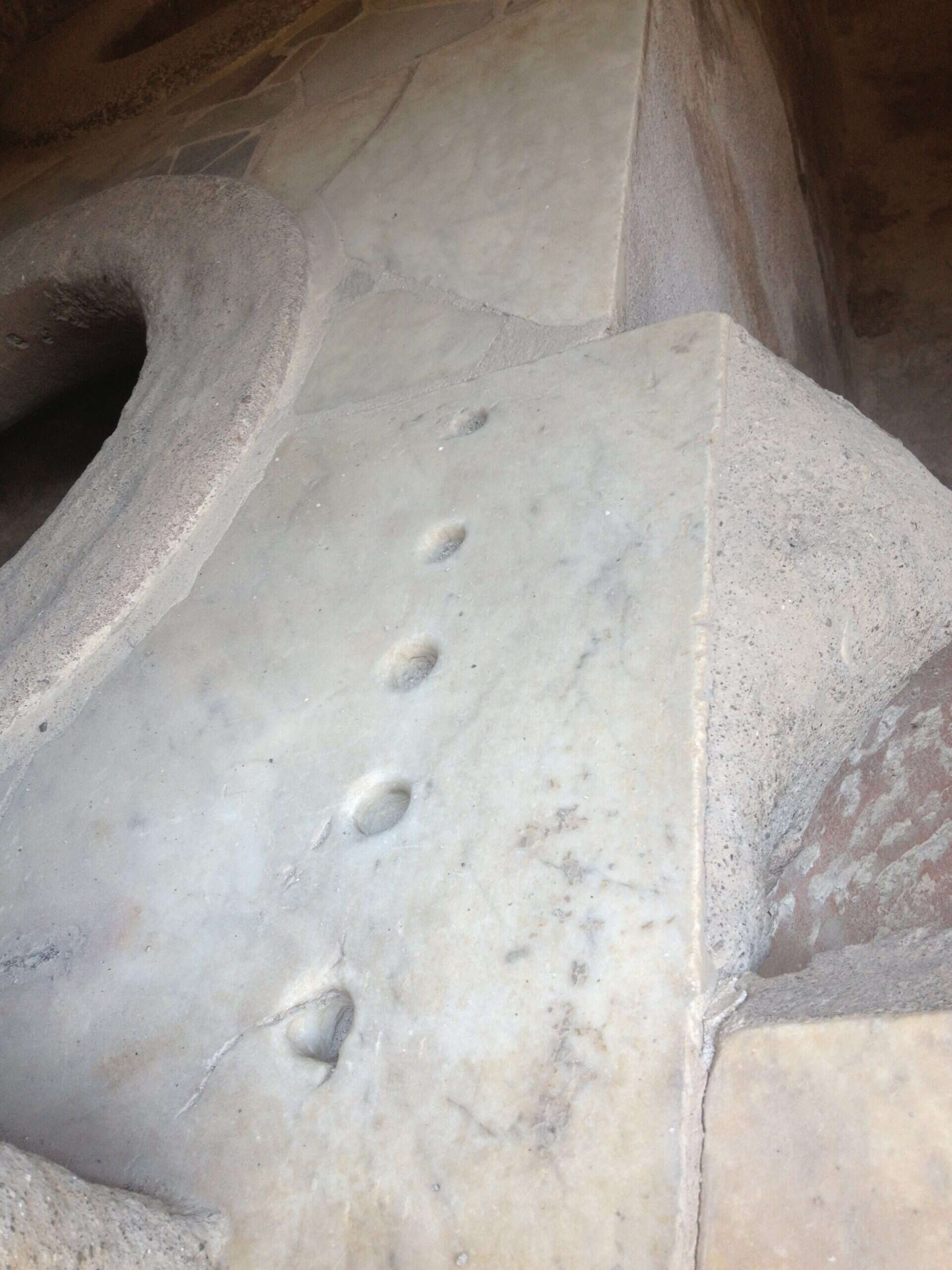
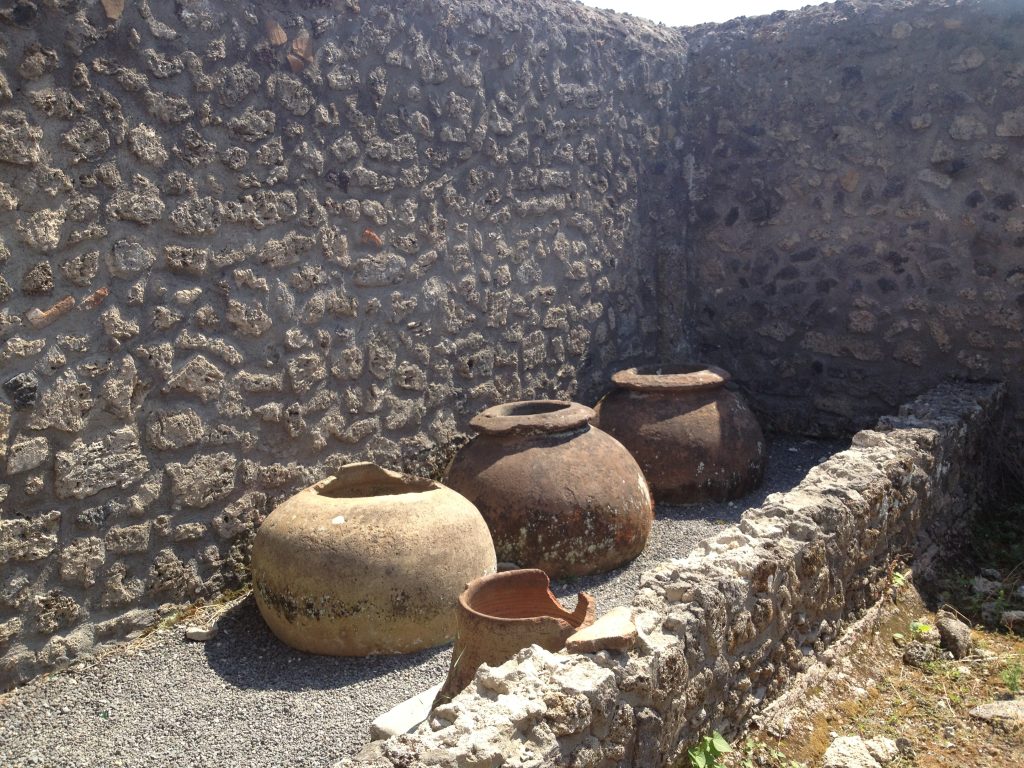
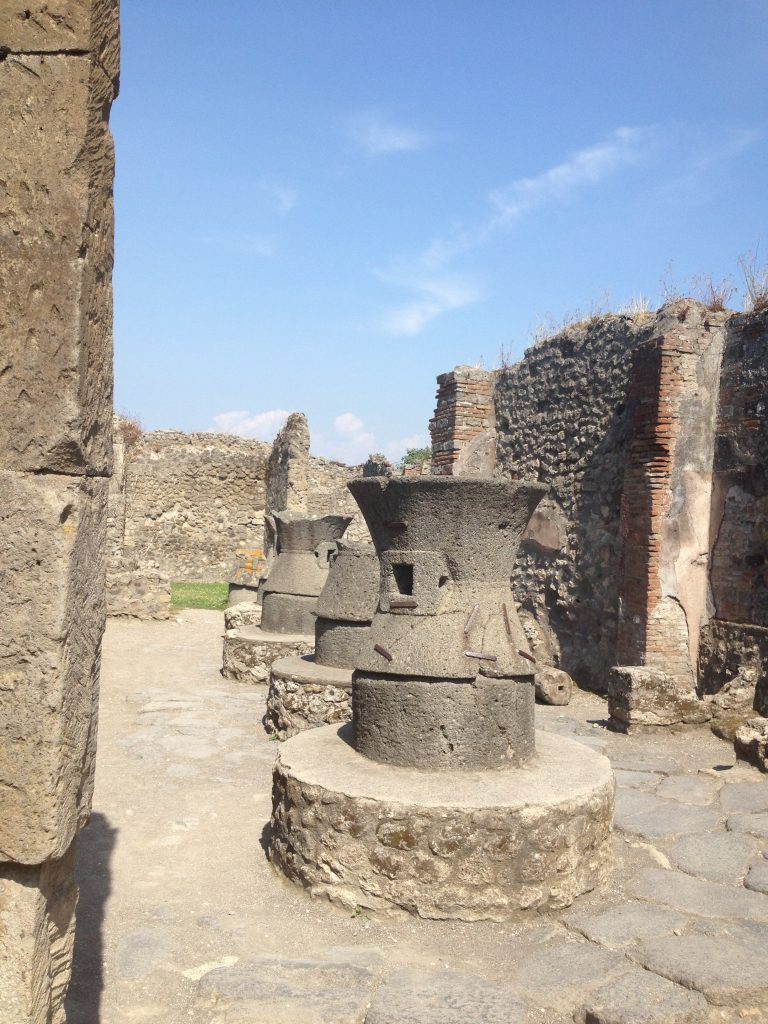
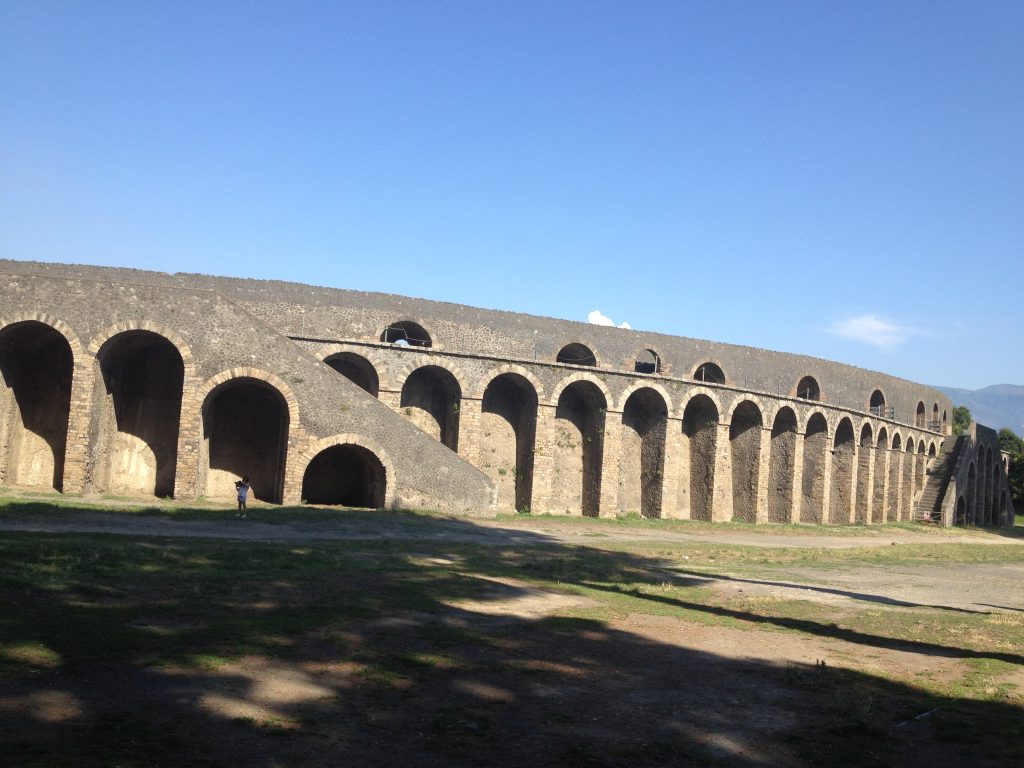
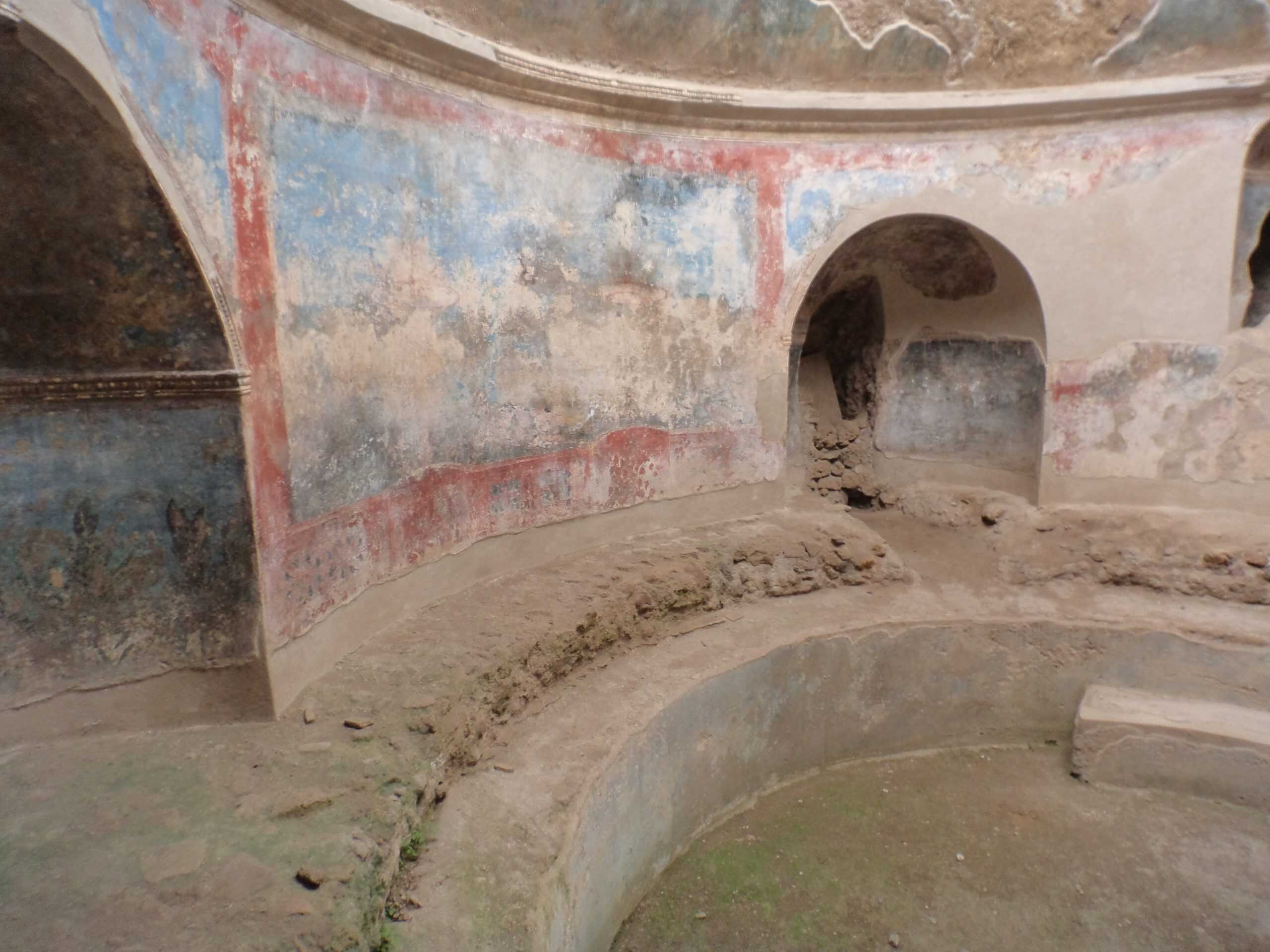
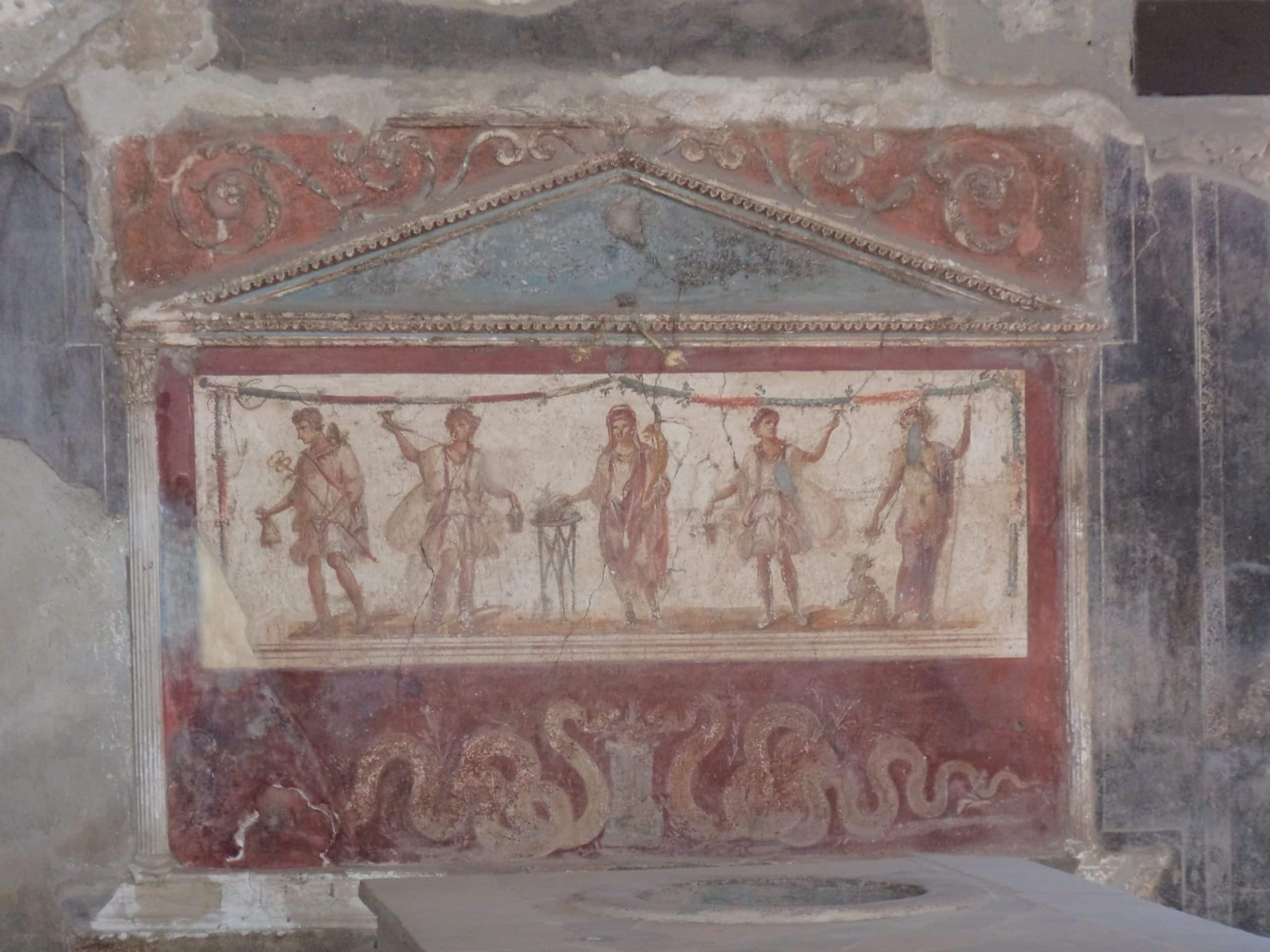
- The Thermopolium of Regio V: Newly uncovered, this ancient snack bar still has colorful frescoes and storage vessels in place.
- The Forum: The political, religious, and commercial center of ancient Pompeii. It’s surrounded by key buildings like temples, basilicas, and the market.
- The Amphitheater: Built around 80 BC, it’s the oldest surviving Roman amphitheater. Imagine the gladiator games that once roared here.
- Villa of the Mysteries: Located just outside the city walls, this luxurious villa is famous for its vivid frescoes, particularly the mysterious Dionysian initiation scenes.
- The House of the Faun: One of the grandest private residences in Pompeii, known for its exquisite mosaics like the famous “Alexander Mosaic.”
- The Lupanar (Brothel): Small but fascinating, this building features stone beds and explicit frescoes that give insight into the daily lives of Pompeii’s citizens.
- The Stabian Baths: Among the oldest baths in the city, offering a detailed look into Roman bathing culture.
- The Bakery of Popidius Priscus: Complete with millstones and ovens, it’s an amazing glimpse into ancient food production.
- The House of the Vettii: Recently reopened after years of restoration, this lavish home of two wealthy freedmen is dripping with frescoes — some mythological, some quite risqué. It’s one of the best examples of domestic art in Pompeii.
- The Garden of the Fugitives: A haunting site where plaster casts of victims are preserved in the positions they fell, surrounded by a vineyard reconstruction. It’s both moving and educational.
- The Basilica: Pompeii’s courthouse and a hub of public life, with soaring columns that hint at its grandeur even in ruin.
- Temple of Apollo: One of the oldest temples in Pompeii, combining Greek and Roman influences and still retaining its elegant colonnade.
- House of the Tragic Poet: Famous for its “Cave Canem” (“Beware of Dog”) mosaic at the entrance, plus beautiful frescoes inside.
Pompeii Etiquette: How to Explore Respectfully
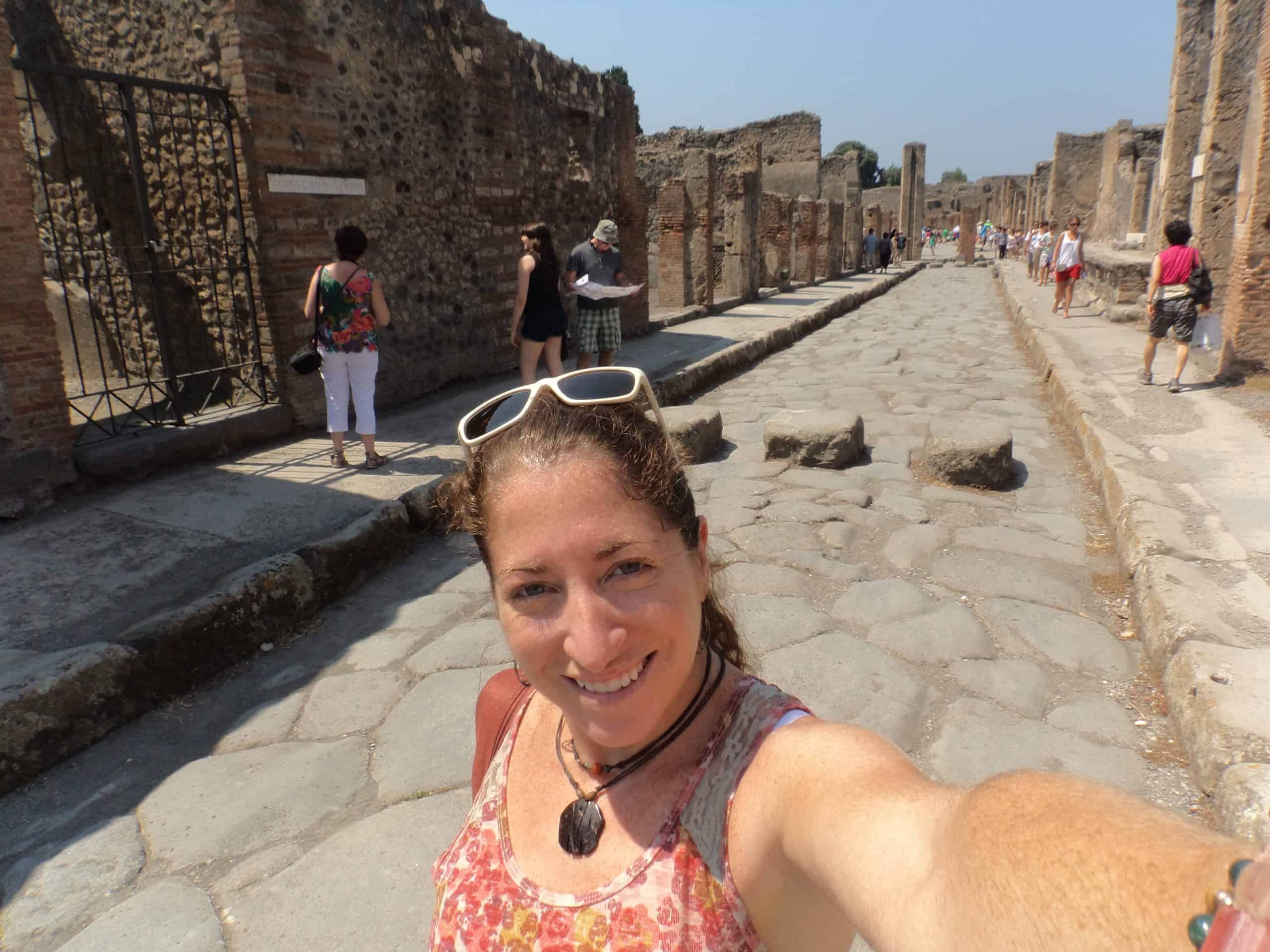
Pompeii is more than just an archaeological site—it’s a once-thriving city, frozen in time by tragedy and preserved for us to experience millennia later. The passage of time does not negate the fact that the city is a grave site for thousands and should be treated respectfully. With that in mind, here are a few important etiquette tips to help you make the most of your visit while protecting this extraordinary place for future generations:
1. Stay on Marked Paths
Pompeii is vast and surprisingly open, but don’t let that tempt you off track. I know I mentioned my own discretion earlier, but as my father always told me, “Do as I say, not as I do.” Some areas may look accessible but are roped off to protect fragile structures or ongoing excavations. If someone sees you jump a rope, then they will too and so on and so forth until someone gets hurt or an artifact is irreparably damaged. Stick to clearly marked paths; there’s still plenty to see without crossing any boundaries, I promise.
2. Don’t Climb the Ruins
That ancient stone wall or column base may look like the perfect perch for an insta-worthy photo, but climbing or sitting on ruins causes irreversible damage. The structures are centuries old and were never meant to support modern foot traffic.
3. Hands Off the Frescoes
One of Pompeii’s most incredible features are the many frescoes and mosaics still in their original homes. As tempting as it may be, avoid touching any artwork or walls—even a gentle brush of your fingers can leave an oily fingerprint and contribute to long-term deterioration of this incredible ancient marvel.
4. Take Photos Responsibly
Photography is allowed throughout most of the site, but flash is a no-go, especially near ancient art. Drones are also not permitted without official approval. And please, skip the staged or disrespectful selfies around the brothels or the human or animal casts; this is a place of deep historical and human significance and should be treated as such.
5. Respect the Quiet
It’s easy to get excited while exploring, but keep your voice low and your conversations mindful. Pompeii is a place to reflect and imagine, and quiet moments add to its powerful atmosphere. I can personally attest to the magic of this site in quiet moments. You’ll notice that many tour guides use headsets with large groups to avoid having to yell over one another; take heed.
6. Don’t Take Souvenirs
This should go without saying, but even a small stone or piece of tile belongs to history. Removing artifacts is illegal and robs others of the opportunity to experience the site as it is. Take photos and leave the site alone for all to enjoy.
7. Use Bins and Facilities
Trash bins and restrooms are located near the main gates. Pack out what you pack in if necessary and avoid eating within the ruins—there are designated picnic areas near the entrances, or explore into the modern city for a late lunch after you leave the ruins (this is an excellent city to find that authentic brick oven fired pizza the region is known for).
8. Wear Smart Footwear
The ancient roads are uneven and can be slippery. Wearing sturdy, closed-toe shoes with soft soles not only keeps you safe but also minimizes wear on the stones.
9. Support Official Tours
When hiring a guide, choose someone licensed by the site or through a reputable travel advisor (like me!). These experts are trained in both history and preservation practices—and can bring the city’s past to life with accuracy and respect.
Final Thoughts
Back in 2013, I wrote that Pompeii might one day disappear again: faded by time, weather, and footsteps. A decade later, I’m more hopeful. Thanks to ongoing preservation and growing public interest, this ancient city continues to endure and delight. And while my travel style has changed, my awe for Pompeii hasn’t. Whether you’re a history buff or a casual wanderer, visiting Pompeii is more than a bucket list checkmark—it’s a personal time machine providing insights into ancient Roman life and the beginnings of modern society. It is certainly a ‘can-not-miss’ attraction for anyone visiting incredible Italy.
🏛 If you would like my assistance planning a once-in-a-lifetime visit to this very important archeological site, visit my services page. I’d be more than happy to help you build an itinerary.


