
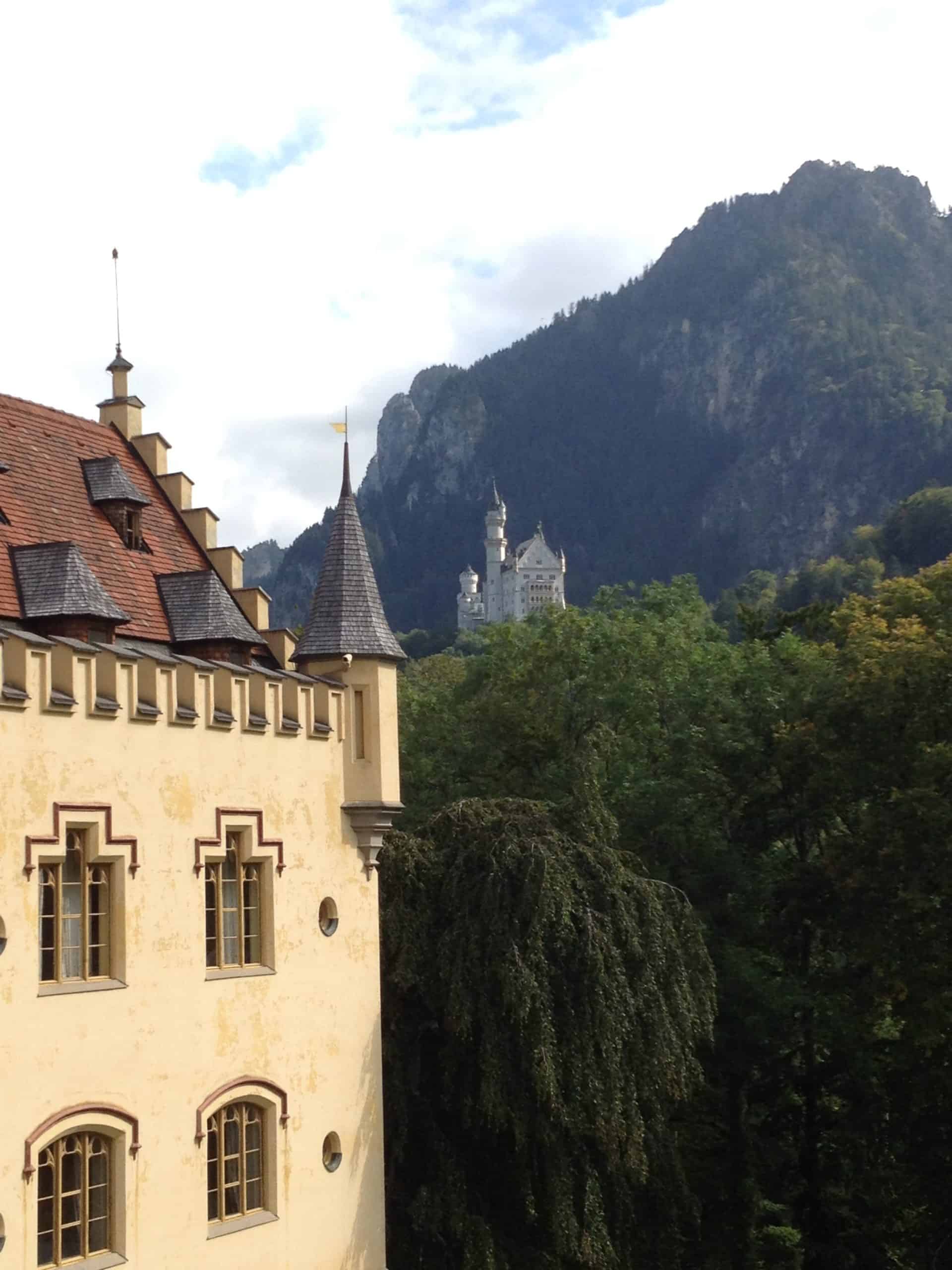
A Complete Guide to Füssen, Germany: Castles, Culture, and Bavarian Charm
When I traveled to Munich for Oktoberfest, I decided to base myself in the nearby town of Füssen (Well, less of a decision and more of that’s what happens when you make last minute plans to attend Oktoberfest and there are no reasonably priced accommodations left in Munich). I knew I wanted to eventually make my way here to see the famed Neuschwanstein Castle, so it wasn’t much of a stretch. It turned out to be one of the best decisions of the trip.
Füssen is just a two-hour train ride from Munich, which seemed a bit far at the time, but the tradeoff was feeling like I’d stepped into a fairytale world filled with pastel-colored houses, cobblestone streets, alpine peaks, and bucket list castles. It’s a destination that pairs natural beauty with rich history and a touch of the fanciful, offering both adventure and relaxation.
In this complete guide, I’ll take you through everything you need to know about visiting Füssen: when to go, how to get there, what to do, what to know about the magical castles nearby, where and what to eat, festivals you may want to plan your visit around, and a sample 3-day itinerary to tie it all together. Read on to discover why Füssen is much more than a daytrip. It’s the destination.
Ready to Plan Your Trip to Füssen?
Whether you’re dreaming of wandering castle halls, paragliding over alpine valleys, or sipping mulled wine at a Bavarian Christmas market, I’d love to help make your Füssen adventure seamless and unforgettable. As your travel advisor, I’ll handle the details—hotels, tours, transportation, and more—so you can simply enjoy the magic. Reach out today, and let’s start planning your perfect Bavarian escape!
Best Time to Visit Füssen, Germany
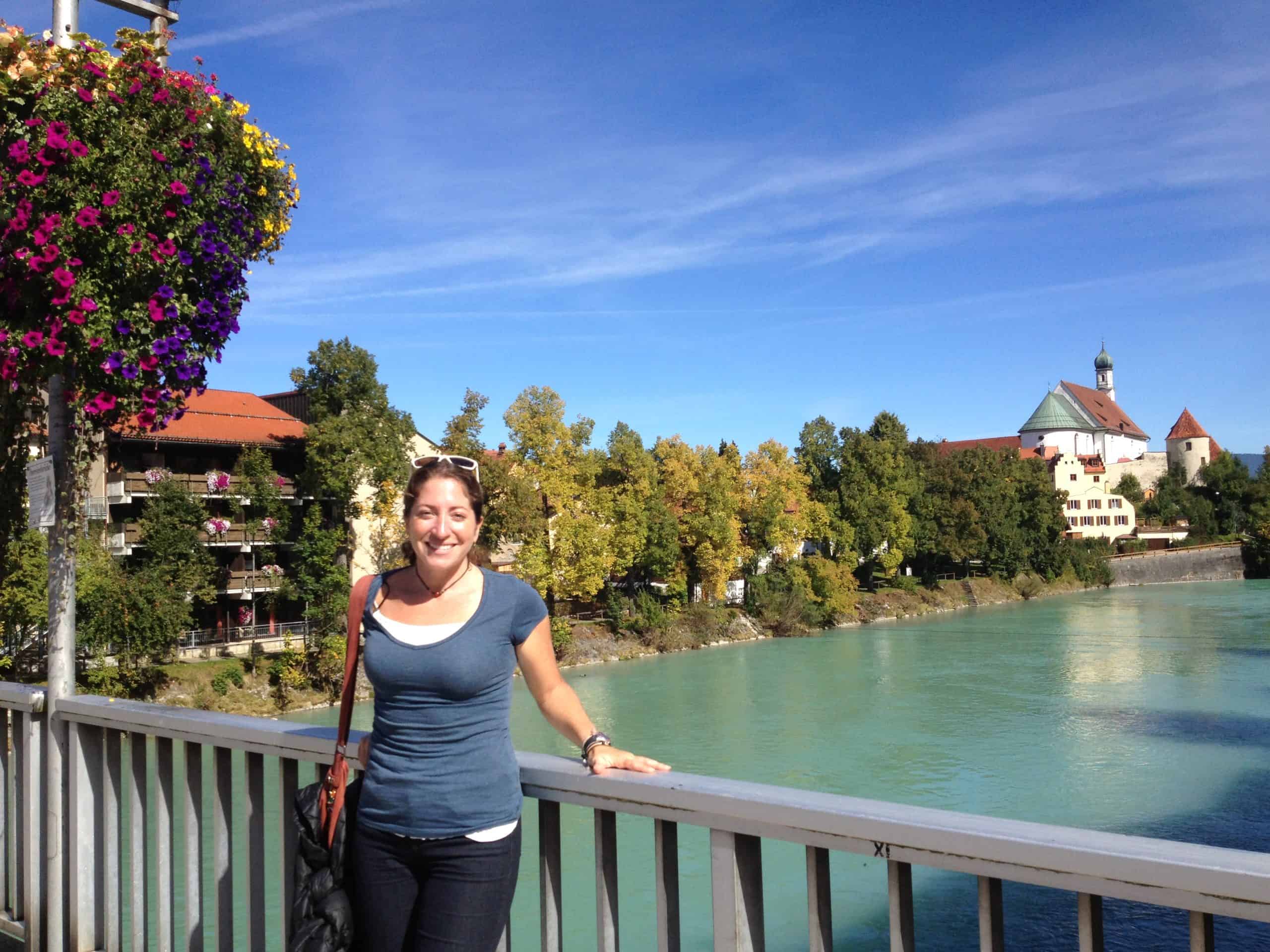
Füssen is beautiful year-round, but the best time depends on what kind of trip you’re planning:
- Spring (April–June): Blooming alpine meadows, fewer tourists, and mild weather make this a perfect time for hiking.
- Summer (July–September): Warm days, bustling town life, and ideal conditions for outdoor adventures like paragliding and biking. Expect more crowds, especially at Neuschwanstein.
- Autumn (September–October): Crisp mountain air, colorful foliage, and Oktoberfest in Munich just a short train ride away. I visited in late September, during Oktoberfest, and the crowds were light (perhaps because more people were visiting Munich for the festivities during this time) and the weather was comfortable.
- Winter (November–March): Füssen turns into a snow globe, with Christmas markets, cozy inns, and nearby ski slopes. It’s less crowded, and the castles look especially dramatic against the snowy peaks. I know I’d like my next visit to be in the winter.
How to Get to Füssen

Füssen may feel like a tucked-away treasure in the Bavarian Alps, but getting there is easy with Europe/Germany’s efficient transport system.
Nearest Airports to Füssen:
- Munich International Airport is the most convenient, but Memmingen (FMM) Airport, about 1.5 hours away by car, is a budget-friendly option with flights from many European cities.
Getting from Munich to Füssen
- Füssen is about a 2-hour direct train ride from Munich Hauptbahnhof (main station). Trains run regularly, and Munich International Airport (MUC) connects you directly into town.
- Driving takes about the same time and allows flexibility to explore the countryside.
Getting from Stuttgart to Füssen
- Stuttgart is a popular hub when traveling by train from Northern Germany or Western Europe. Expect about 3.5 hours by train with one or two transfers.
- Around 2.5 hours by car. Ideal if you’re adding the Black Forest or Baden-Württemberg wine country to your itinerary.
Getting from Zurich, Switzerland to Füssen
- Zurich International Airport (ZRH) is a convenient hub for international arrivals. You’ll be around 4 hours by train with a couple of changes.
- Around 3.5 hours by car if you are looking for a scenic journey through alpine landscapes.
Local Füssen Transportation
Once in Füssen, the Old Town is compact and walkable. Local buses connect you to the castles, while taxis, bikes, and even horse-drawn carriages (yes, really) round out your transport options. Your Uber app will also work in town, but it will activate the local taxi service instead of the traditional ride share.
Things to Do in Füssen

Füssen may be small, but it’s bursting with activities for all types of travelers.
Explore the Old Town
Start with a stroll through Füssen’s medieval Altstadt (Old Town). Wander cobblestone streets lined with pastel-colored facades, browse charming boutiques that sell cuckoo clocks and violins (a Füssen staple), and be sure to stop at a café for coffee and cake or a biergarten for a local brew.
Don’t miss these sites:
- High Castle (Hohes Schloss) — This historical gem offers panoramic views of the city and a display of medieval art and architecture.
- Benedictine Monastery of St. Mang — One of the oldest monasteries in Bavaria
- Füssen Museum — located in a former Benedictine monastery. It showcases regional history, art, and Füssen’s claim to fame as the cradle of European lute making.
Walk to LechFall and on to Austria
There is a beautiful park called Baumgarten that I highly recommend spending some quiet time in during your stay. From the park, you can follow the aquamarine Lech River for about 15-minutes to a manmade waterfall called LechFall. Continue on down the river and within about 10-minutes you will reach the Austrian border.
Linderhof Palace
We will cover the iconic castle around Füssen in another section, but less than an hour away from town you will also have access to a gorgeous palace built by King Ludwig (also responsible for the construction of Neuschwanstein). The palace is stunning, but don’t miss a walk through the enchanting gardens, or a visit to the Venus Cave beneath the castle.
Hiking in the Alps
Many well-marked trails start in and around town. Popular routes include the hike to Lechfall (as described above), or more challenging alpine treks can be found into the Ammergau and Allgäu Alps. Other stunning hiking locations can be reached by a short car ride. Use Google Maps or your favorite hiking app to locate these trails.
A little further away, about an hour from Füssen, is the trailhead to Lake Schreksee, Germany’s highest alpine lake. This hike is definitely on the more challenging side of the spectrum, but the views of the turquoise lake with an emerald-green island in the center are worth all of the effort.
Paragliding
For thrill-seekers, Tegelberg Mountain is the spot. Just outside Füssen, the Tegelberg cable car whisks you up to a launch point with sweeping alpine views. Local outfitters like Fly Royal Paragliding offer tandem flights for beginners.
Cycling Around Füssen
Füssen is bike-friendly, with rentals available at shops like Radverleih Füssen. The Lake Forggensee loop is a favorite — a scenic 32 km ride that takes you past meadows, castles, and shimmering water.
Take the Tegelberg Cable Car
Even if you’re not paragliding, the Tegelberg cable car is worth the ride. At the top, you’ll find hiking trails, a restaurant with panoramic views, and in winter, a small ski area.
Museums
Check out the Museum of Füssen, located in a former Benedictine monastery. It showcases regional history, art, and Füssen’s claim to fame as the cradle of European lute making.
On the Water
There are several lakes around the town of Füssen that not only offer water activities, but excellent hiking trails as well. A few also offer camping. In summer, Lake Forggensee offers boat cruises, swimming, paddle boarding and kayaking. The lake’s turquoise waters framed by mountains make for an unforgettable afternoon.
Touring Castles: How to See Neuschwanstein & Hohenschwangau Castles
No trip to Füssen is complete without visiting its stunning castles — two of the most iconic in all of Germany.
Neuschwanstein Castle

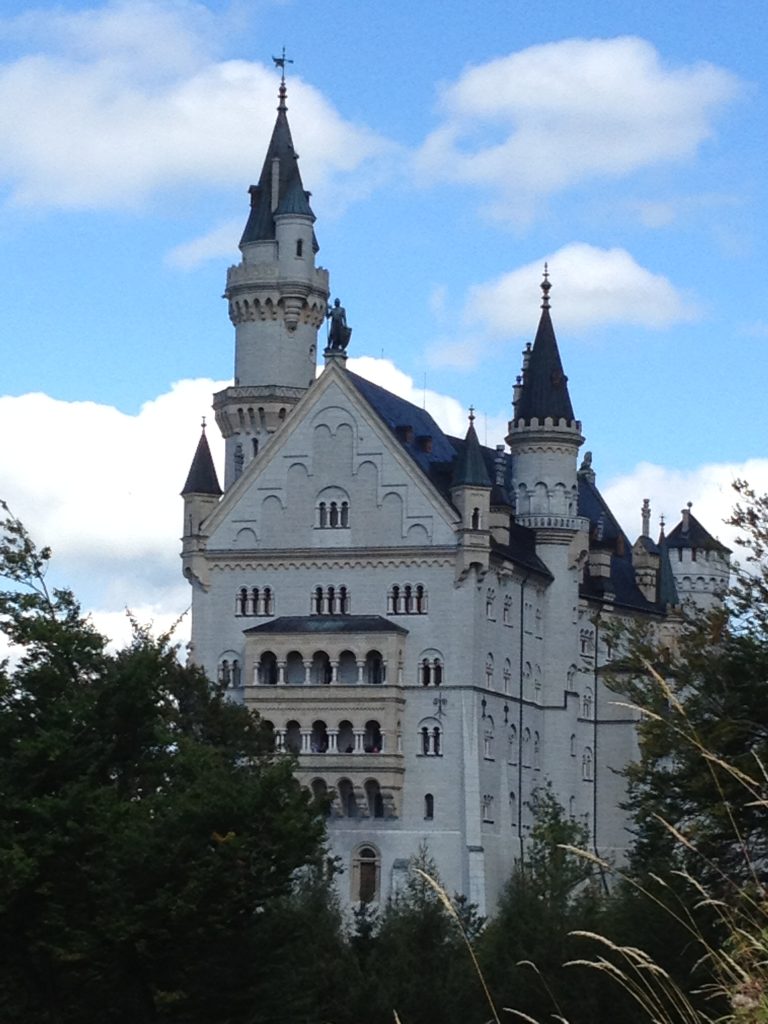
Perched on a rugged hill above Füssen, Neuschwanstein is the fairytale castle that inspired Disney’s Sleeping Beauty Castle (the one in the logo). Commissioned in the 19th century by King Ludwig II, it was intended as his personal retreat, dedicated to the operas of Richard Wagner. Tragically, Ludwig died before its completion, and the castle opened to the public soon after. Today, it’s one of the most visited sites in Europe.
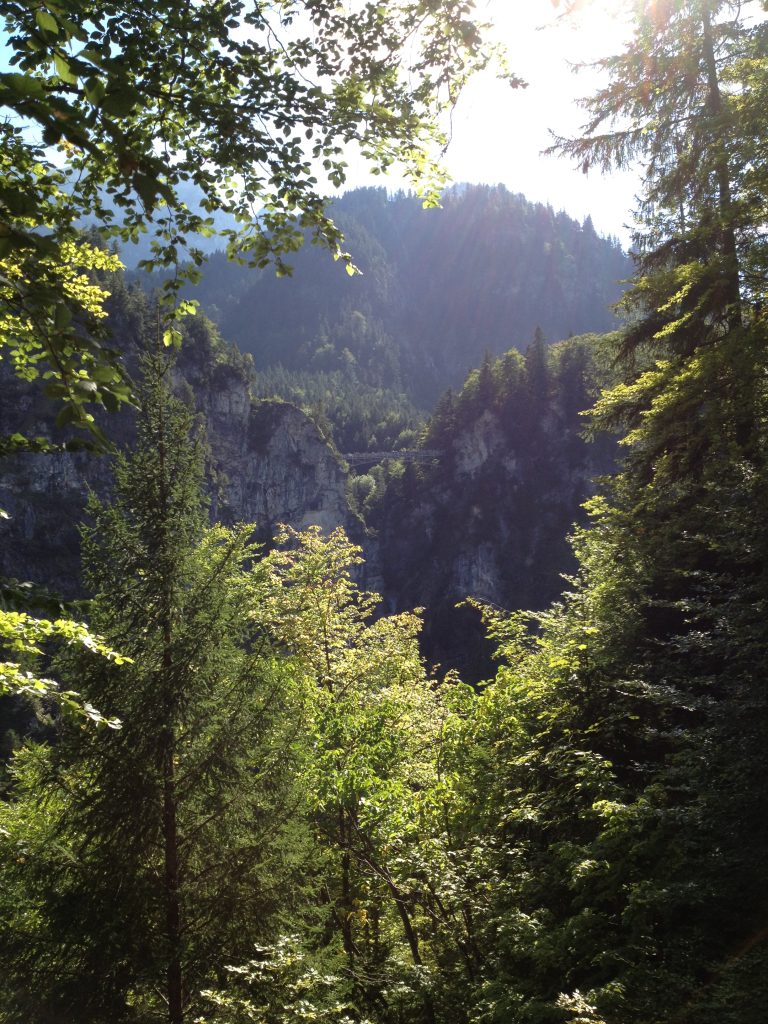
Pro Tip: For the best photo of Neuschwanstein, head to Marienbrücke (Mary’s Bridge). The view of the castle against the mountains is nothing short of magical.
Hohenschwangau Castle

Just across the valley sits Hohenschwangau Castle, where Ludwig II spent much of his childhood. Built by his father, King Maximilian II, the castle is less ornate than Neuschwanstein but rich in history and atmosphere. Its golden-yellow walls and lakeside setting make it worth the visit.

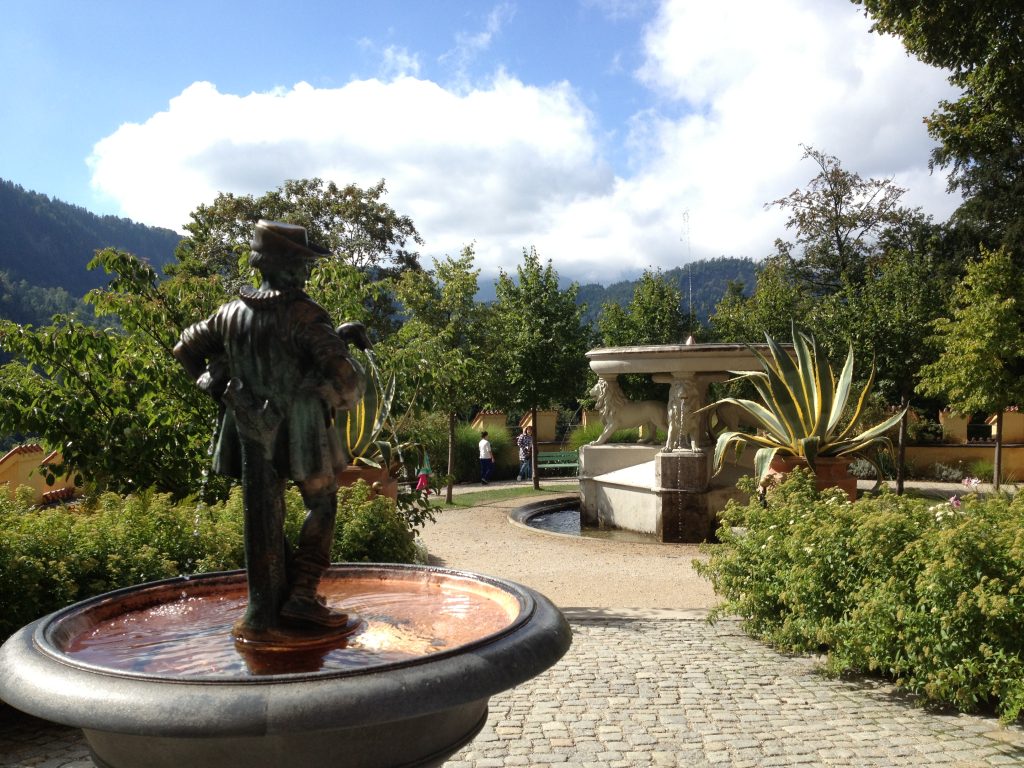
How to Get to the Castles from Füssen
Both castles are located in the village of Hohenschwangau, about 10 minutes from Füssen by bus or car. Tickets for the 78 or 73-line bus can be purchased at the central ticket office in the village, and booking in advance online is highly recommended, especially in summer. These buses leave about every hour throughout the day and arrive in roughly 8-minutes to the castle park. A taxi can also be hired for around $15-20 for the 5–10-minute drive.
From the ticket office and car park there are a few ways to get to the castle:
- Walk uphill about a mile, which typically takes about 30-40 minutes.
- Horse-drawn carriage rides can be purchased from vendors at the site. They cannot get you directly to the gate, so expect to walk an additional quarter-mile uphill.
- A shuttle bus is available to the Marienbrücke lockout point (a must see in my opinion). From there you can walk an easy 10-15-minutes downhill to the castle entrance.
Bavarian Food: What and Where to Eat in Füssen

Before diving into restaurant recommendations, let’s talk food. Bavarian cuisine is hearty and comforting, perfect after a day of hiking or castle-hopping. Popular local dishes include:
- Allgäuer Käsespätzle: Egg noodles baked with gooey cheese and crispy onions — the region’s answer to mac & cheese.
- Schweinshaxe: Roasted pork knuckle, served with sauerkraut and dumplings.
- Weißwurst with Brez’n: Traditional Bavarian white sausages with pretzels and mustard, often enjoyed as a late breakfast.
- Kaiserschmarrn: A shredded pancake dusted with powdered sugar, served with apple or plum compote.
Don’t forget to wash it all down with a local Bavarian beer or a glass of schnapps.
Recommended Restaurants in Füssen
- Madame Plüsch: Eclectic traditional décor and hearty German fare.
- Il Pescatore: For when you need a break from schnitzel, this Italian restaurant is a local favorite with delicious pizza and pastas.
- Zum Hechten: Traditional Bavarian food in a relaxed and authentic atmosphere.
- Restaurant Ritterstuben: Great for regional specialties and warm hospitality.
- Splurge: Hotel Schlosskrone (Himmelsstube) — refined Bavarian dishes with a wine list to match.
If your not looking for a formal sit, local bakeries, butchers, or guesthouse kitchens can be found all around town.
Where to Stay in Füssen

Whether you’re on a budget or ready to splurge, Füssen has a range of accommodation options:
Budget Friendly Stays:
- Hotel Hirsch: Budget Boutique — Artfully designed rooms and a rooftop terrace with a view make this budget friendly stay a winner.
- Old Kings Füssen Design Hostel: A quirky hostel centrally located with themed rooms.
Mid-Range Comfort Hotels:
- Luitpoldpark Hotel: Comfortable accommodations and an excellent location nearby local transportation hubs.
- Hotel Sonne — This stylish mid-range hotel is oozing classic charm, and it’s right in the heart of town.
Luxury Stays:
- Hotel Schlosskrone: 4-star, elegant hotel with a spa, in the middle of Old Town. Ideal for a romantic getaway.
- AMERON Neuschwanstein Alpsee Resort & Spa: Luxury chalet resort and spa with castle views.
- Das König Ludwig Inspiration SPA: Opulent, adults-only resort a short drive from Old Town.
Festivals & Events in Füssen

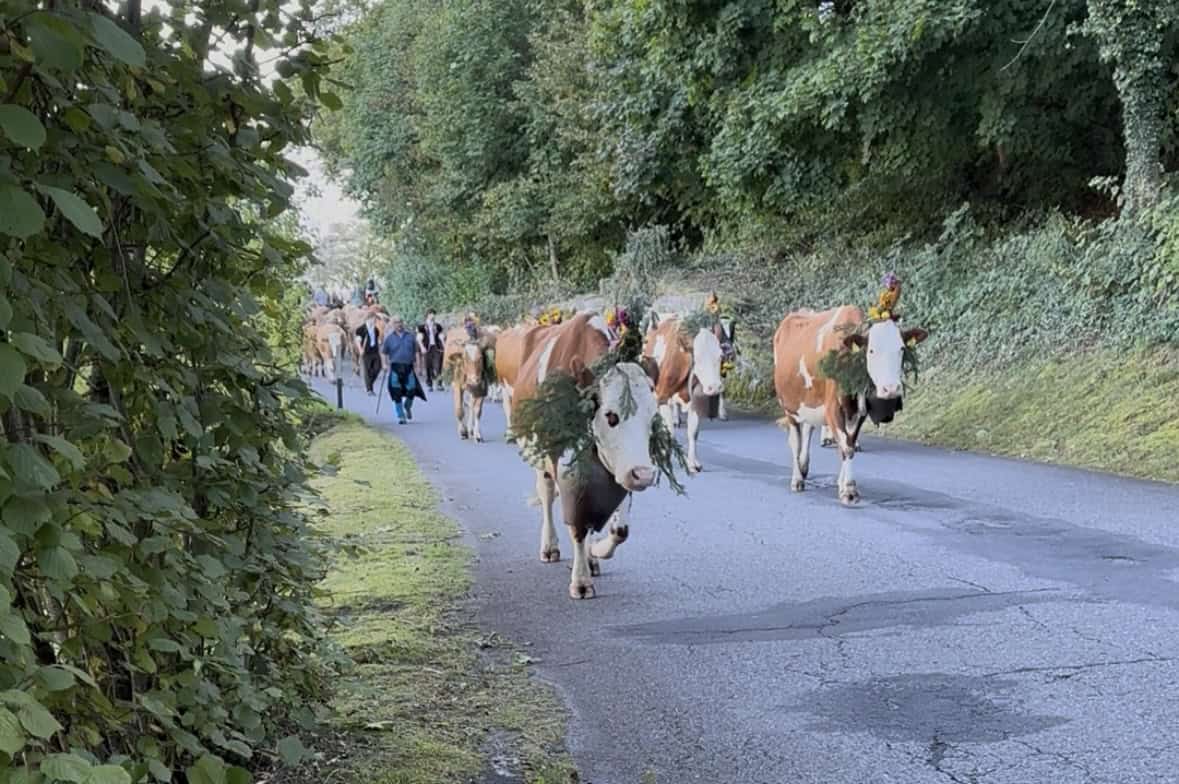
Traditional Bavarian Events can be experienced throughout the year in Füssen. You’ll find smaller folk festivals, processions, and beer garden gatherings — often accompanied by brass bands in lederhosen. Follow the towns event calendar for a full list of festivities.
- Kaiser Maximilian Festival (June/July): This 3-day festival boasts medieval markets, jousting, parades, and performances that bring Füssen’s history to life. Participants usually dress in historic and traditional costumes for a truly immersive event.
- Füssen Music Festival (late summer): A celebration of classical and contemporary music, this festival takes advantage of Füssen’s long musical heritage (the town was once a center for lute and violin making). Concerts are held in historic venues like St. Mang’s Abbey.
- Almabtrieb (mid to late September): A beloved Alpine tradition held early in the Fall, this festive cattle drive, the animals adorned in flowers and bells, winds down from the mountain pastures where the cows spend their summer.
- Christmas Market: From late November, Füssen’s Old Town glows with festive stalls, mulled wine, and the scent of roasted chestnuts. Shop charming, handcrafted gifts and even visit with the man himself, Santa Claus. All of this set against the snowy backdrop of the Alps, makes for one of the coziest times to visit.
Pro Tip: Accommodations in this small village book up fast around these events, so plan and book early. Also, arrive early before crowds and lines get out of control.
3-Day Itinerary for Füssen, Germany

Day 1: Arrival & Old Town
- Arrive in Füssen, check into your hotel.
- Wander the Altstadt, visit Hohes Schloss, and take in views from the castle courtyard.
- Hit a local biergarten to sample some Bavarian brews.
- Dinner at Zum Hechten and a leisurely evening stroll along the Lech River to LechFalls.
Day 2: The Castles
- Morning castle tours: Hohenschwangau and Neuschwanstein (book tickets ahead).
- Don’t forget your photo stop at Marienbrücke.
- Afternoon: relax with a boat cruise on Forggensee, rent bikes to explore nearby lakes, or do a hike from one of the nearby trailheads.
- Dinner at Madame Plüsch or another cozy spot in town.
Day 3: Alpine Adventures
- Take the Tegelberg cable car for panoramic views and alpine hiking.
- Optional tandem paragliding adventure.
- Visit the Museum of the Bavarian Kings before heading back.
- Wrap up with coffee and cake at Kurcafe before departing.
Want a Personalized Füssen Travel Itineray?
Whether you’re dreaming of wandering castle halls, paragliding over alpine valleys, or sipping mulled wine at a Bavarian Christmas market, I’d love to help make your Füssen adventure seamless and unforgettable. As your travel advisor, I’ll handle the details—hotels, tours, transportation, and more—so you can simply enjoy the magic. Reach out today, and let’s start planning your perfect Bavarian escape!
Add-On Destinations Around Füssen

If you have more time, Füssen makes a fantastic base for exploring nearby gems in Bavaria, Austria, and beyond. Here are a few worth considering:
- Garmisch-Partenkirchen: Just 1.5 hours away, this Alpine resort town is famous for skiing in winter and hiking in summer. Don’t miss a trip up the Zugspitze, Germany’s highest mountain, or a stroll through the dramatic Partnach Gorge.
- Innsbruck, Austria: About 2 hours from Füssen, this Tyrolean city blends medieval Old Town charm with a backdrop of snowcapped peaks. Ride the Hungerburg funicular for stunning views, or explore the city’s imperial history and cozy cafés.
- Lake Schrecksee: Often called Germany’s most beautiful mountain lake, Schrecksee is tucked high in the Allgäu Alps. It’s a challenging full-day hike (around 10–12 miles round trip), but the turquoise waters and wildflower-strewn meadows make it worth every step.
- Lake Constance (Bodensee): About 2 hours west, this international lake is shared with Austria and Switzerland. Think sailing, vineyards, flower-covered islands, and lakeside villages perfect for day trips.
- Zurich, Switzerland: 3.5 hours by car, Zurich blends alpine scenery with cosmopolitan culture, high-end shopping, and lakefront dining.
- Stuttgart, Germany: 2.5 hours by car, Stuttgart is a city for both car lovers and culture buffs, with the Mercedes-Benz and Porsche museums, lush parks, and a strong wine tradition.
Final Thoughts from Your Travel Consultant

Füssen is much more than just a gateway to Neuschwanstein, it’s a destination in its own right. Whether you’re hiking in the Alps, flying above them on a paraglider, biking around crystal-clear lakes, or simply enjoying Bavarian hospitality, this little town delivers big on charm and adventure. For me, Füssen was the perfect counterbalance to the energy of Oktoberfest — and a place I’d happily return to again and again.
Ready to Plan Your Trip to Füssen?
Whether you’re dreaming of wandering castle halls, paragliding over alpine valleys, or sipping mulled wine at a Bavarian Christmas market, I’d love to help make your Füssen adventure seamless and unforgettable. As your travel advisor, I’ll handle the details—hotels, tours, transportation, and more—so you can simply enjoy the magic. Reach out today, and let’s start planning your perfect Bavarian escape!


