
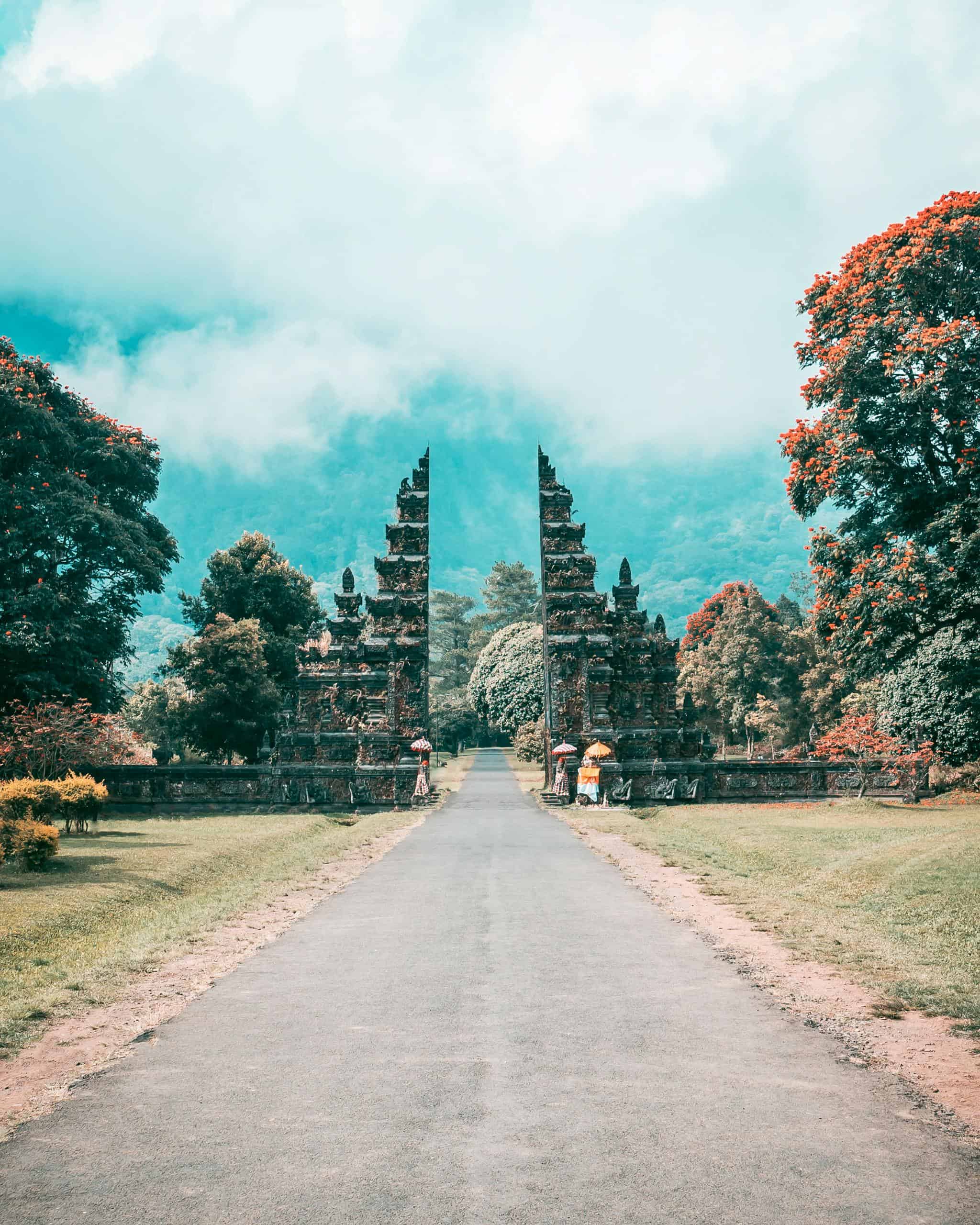
Bali Travel Guide for First Timers: How to Plan the Perfect First Trip
Everything You Need to Know Before You Go: Where to Stay, What to Do & What to Skip
If Bali has been sitting on your travel wish list for a while, you’re not alone. It’s one of those places everyone dreams about (jungle villas, rice terraces, temples, beach clubs), and yet, once you start planning, it can feel surprisingly hard to figure out where to begin. After spending more than three weeks exploring Bali myself, moving between inland towns, coastal villages, and everything in between, I can tell you this: your first trip to Bali doesn’t need to be packed or perfect to be incredible. It just needs to be thoughtful.
This Bali travel guide for first timers is here to help you plan with confidence, so you know where to stay, what’s truly worth your time, what to skip without regret, and how to build an itinerary that lets Bali unfold naturally instead of feeling rushed.
🌺 Want help planning your first trip to Bali?
I design custom, thoughtfully paced itineraries that take the guesswork out of where to stay, what to do, and what’s actually worth your time. If you’re ready to turn this guide into a personalized plan, visit my Services page to learn more and start planning a Bali trip that truly fits your travel style.
Everything a First Timer Needs to Know About Traveling in Bali
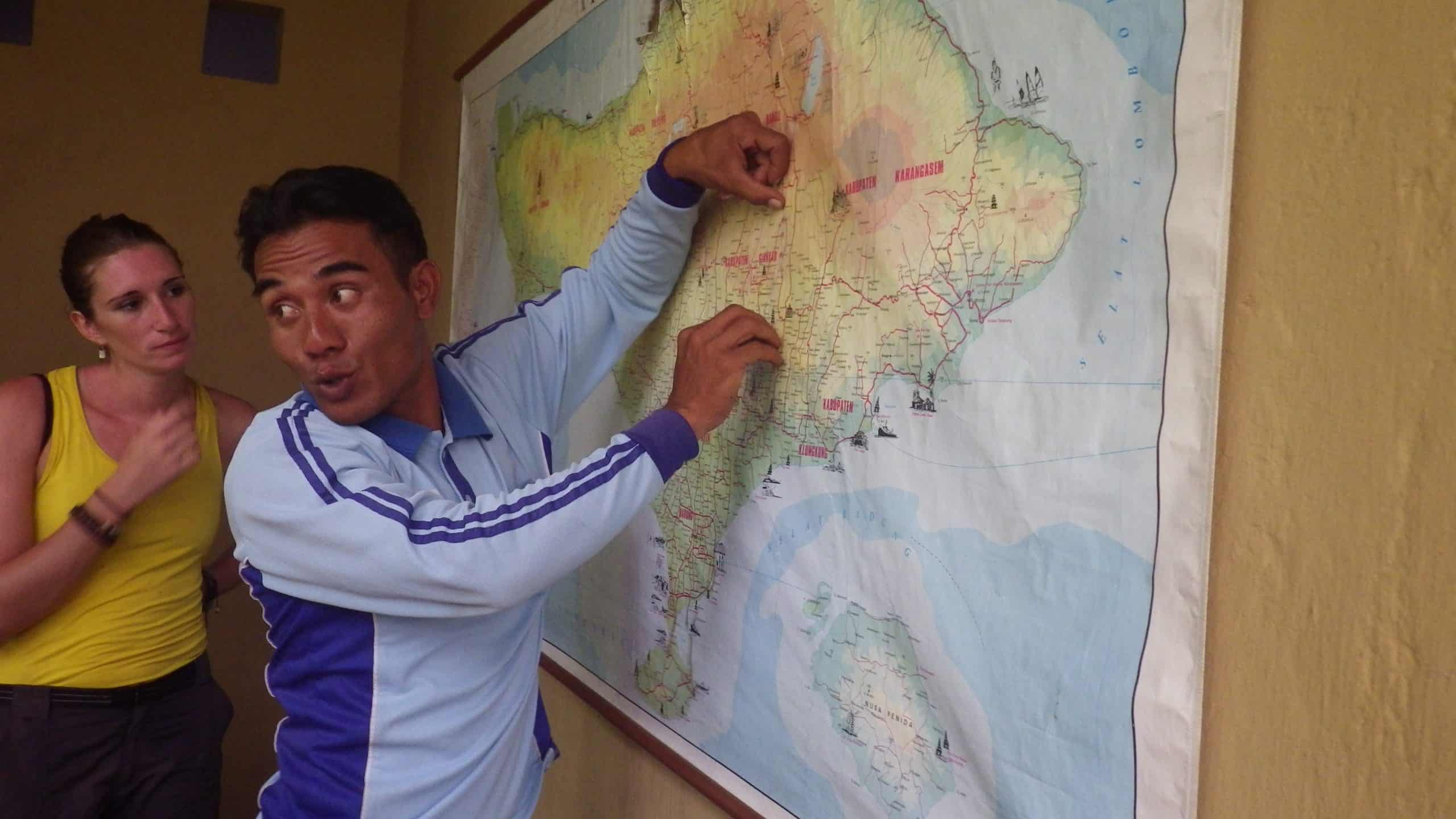
Arrivals, Passports and VISAs
You’ll arrive at Ngurah Rai International Airport (also known as Denpasar Airport or DPS).
After landing, expect:
- Immigration (visa processing)
- Baggage claim
- Customs declaration
Arrival lines can be long, especially during peak travel seasons. Having documents ready, forms completed, and patience packed will go a long way.
To enter Indonesia, your passport must:
- Be valid for at least six months beyond your arrival date
- Have at least two blank pages
Common Visa Options (for Tourism):
- Visa on Arrival (VOA) or Electronic Visa on Arrival (e-VOA): Available to many nationalities for short stays (~$35). These VISAs are good for 30 days and can be extended once
- Single-entry tourist visas – For longer stays or specific travel plans (~$60). These VISAs are valid up to 60 days and can be extended once. You may be asked to provide a bank statement as proof of funds, and a color photograph
All VISA type may require proof of return or onward travel.
Pro tip: If this is your first time to Bali and your trip is under a month, the VOA or e-VOA is usually the simplest option. If you’re planning a longer stay, working remotely, or combining Bali with multiple regional trips, it’s worth reviewing visa options more carefully before arrival.
Because visa rules can change, I always recommend:
- Checking official Indonesian immigration sources close to your departure date
- Applying online when possible to save time at the airport
Currency and Connections

The local currency is the Indonesian Rupiah (IDR). Check current exchange rates.
What first-timers should know:
- ATMs are widely available, but daily withdrawal limits can be low
- Credit cards are accepted in hotels, restaurants, and shops, but not everywhere
- Cash is essential for small businesses, drivers, markets, and tips
Pro tip: Use ATMs attached to banks when possible and avoid standalone machines, especially late at night. Notify your bank before travel to prevent card issues.
Staying Connected: SIM Cards & Wi-Fi
Staying connected in Bali is easy. Options include:
- Recommended: Call your provider for international plan options
- Purchasing a local SIM card at the airport or in town
- Using an international eSIM if your phone supports it
Wi-Fi is widely available in hotels, cafés, and villas, but speeds vary, especially outside major areas.
Electricity & Adapters
Indonesia uses Type C and F plugs (European-style) with 220V electricity.
If you’re coming from the U.S., you’ll need:
- A plug adapter
- Voltage converter or compatible electronics (most modern devices are)
Best Time to Travel to Bali

Bali is a year-round destination, but seasons matter.
- Dry season: April – October will generally see hot and sunny days, along with higher prices and more crowds, especially in the peak months of June – August
- Rainy season: November – March, and especially January and February will bring hot and humid weather with near daily heavy, but short-lived downpours. This time also offers lush landscapes, fewer tourists, and lower prices
- Shoulder season: April – May and September – October are ideal for lighter crowds and mostly sunny skies
There’s no “bad” time to visit, just different experiences depending on your priorities.
How Long to Stay in Bali for a First Trip

Ideal first-timer stay: 10–14 days
Minimum that still feels good: 7–8 days
Balance your stay between not more than two locations so that you get a taste of the island’s diversity, but avoid overwhelm. A balanced first trip might look like:
- 7-day Itinerary:
- 4 nights in Ubud for mainly temple and cultural experiences
- 3 nights in a beach area for relaxation
- 10-day Itinerary:
- 6 nights in Ubud for a little exploration an personal wellness
- 4 nights in a beach area for relaxation and scuba diving
- 14-day Itinerary:
- 7 nights in Ubud including a 4 day yoga retreat and 3 days of cultural exploration
- 4-5 nights in a beach area or a nearby island like the Gili Air
- 2-3 nights in a beach town close to the airport like Nusa Dua for relaxation
Getting Around Bali for First-Time Travelers
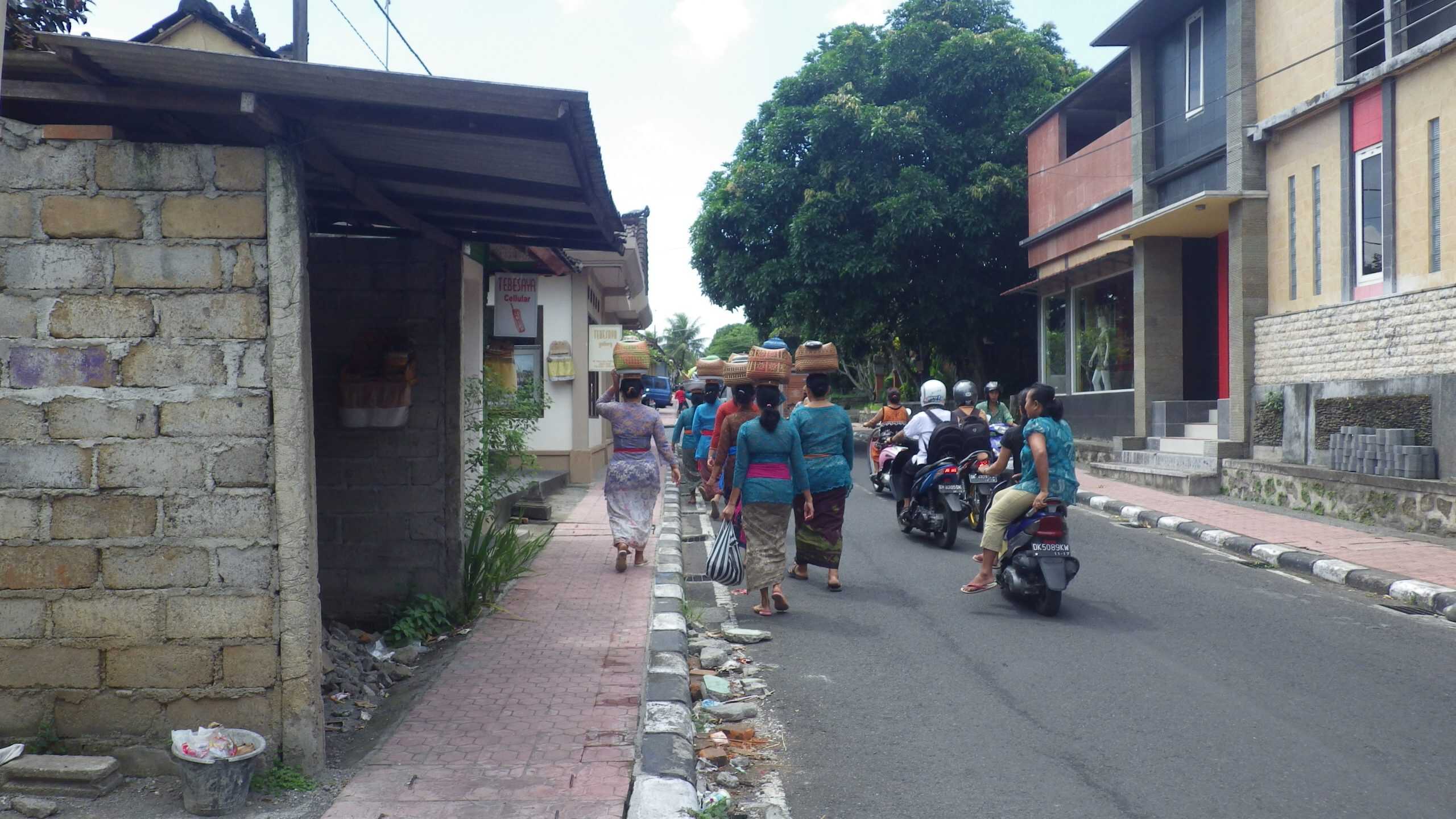
Traffic in Bali can be jarring for first-time travelers to the region, especially in crowded tourist hubs and cities. Generally traffic signals are treated like a suggestion, while you also contend with a variety of motor bikes, scooters and carts.
- Private drivers are affordable and invaluable. Hiring the same driver for multiple days builds trust and local insight.
- Scooters are common but not ideal for first-timers based on the level of congestion in cities and even rural roads can be steep and winding depending on your route.
- Renting a van for exploration is not something I recommend for first-timers, but if perhaps you know this may be your only visit to the island and you want a more fluid itinerary this is absolutely an option, but be sure to properly research you route and prepare appropriately.
- Traffic can be a real problem no matter where you go. Plan buffer time.
Food in Bali: What First-Timers Should Expect

Bali’s food scene is diverse and approachable. Don’t be afraid to try something new. On my first trip I discovered my new favorite fruit, the mangosteen, at a local market simply by asking for the vendors recommendation. Also, Balinese spicy is quite spicy indeed, so if you are not used to the heat don’t be afraid to ask for mild.
What to try:
- Nasi goreng: A sweet and savory Indonesian fried rice usually served with a friend egg on top
- Mie goreng: A noodle/ramen dish similar to the fried rice above
- Babi Guling: Roasted suckling pig
- Nasi Campur: Steamed rice with a mix of Balinese side dishes such as shredded chicken or pork and veggie mixes
- Satay: A street food staple marinated in sweet chili or peanut sauce. The real Balinese way to eat satay is minced meat, whether chicken, fish or pork, mixed with delicious herbs and coconut flakes and wrapped around the end of a bamboo stick.
- Banana Pancakes with fresh fruit: A thin, dense pancake made with sweetened condensed milk and fresh banana slices
- Fresh juices and smoothie bowls
Pro tip: Stick to filtered water, avoid ice in questionable settings, and choose busy eateries.
A First-Timers Packing List for Bali
Packing for Bali is a lot like the island itself: it’s all about balance. Think lightweight and breathable, but also modest and versatile enough for temples, villages, and active days; airy fabrics, loose silhouettes, and pieces that can move easily from jungle walks and rice terrace tours to beach time and casual dinners.
Active travelers should pack with intention: comfortable walking shoes for village exploring, sturdy footwear for volcano hikes, and moisture-wicking layers for humid mornings. Add swimwear for beach days, a light cover-up for transitions, and any specialty gear you’ll want for activities like yoga, hiking, or surfing. The goal is packing smart, not overpacking, so you’re prepared for Bali’s beaches, jungles, and cultural experiences without feeling weighed down.
Start with the basics:
- Lightweight, breathable clothing
- Modest outfits for temples, covering the shoulders and knees
- Comfortable walking shoes
- Sandals or flip-flops
- Reef-safe sunscreen (this is my favorite)
- Bug spray (I don’t go anywhere without Cedarcide)
- Reusable water bottle
- Light rain jacket (especially shoulder season)
If you need a more detailed list check out my packing essentials guide or my packing light guide.
Cultural Etiquette First Timers Should Know
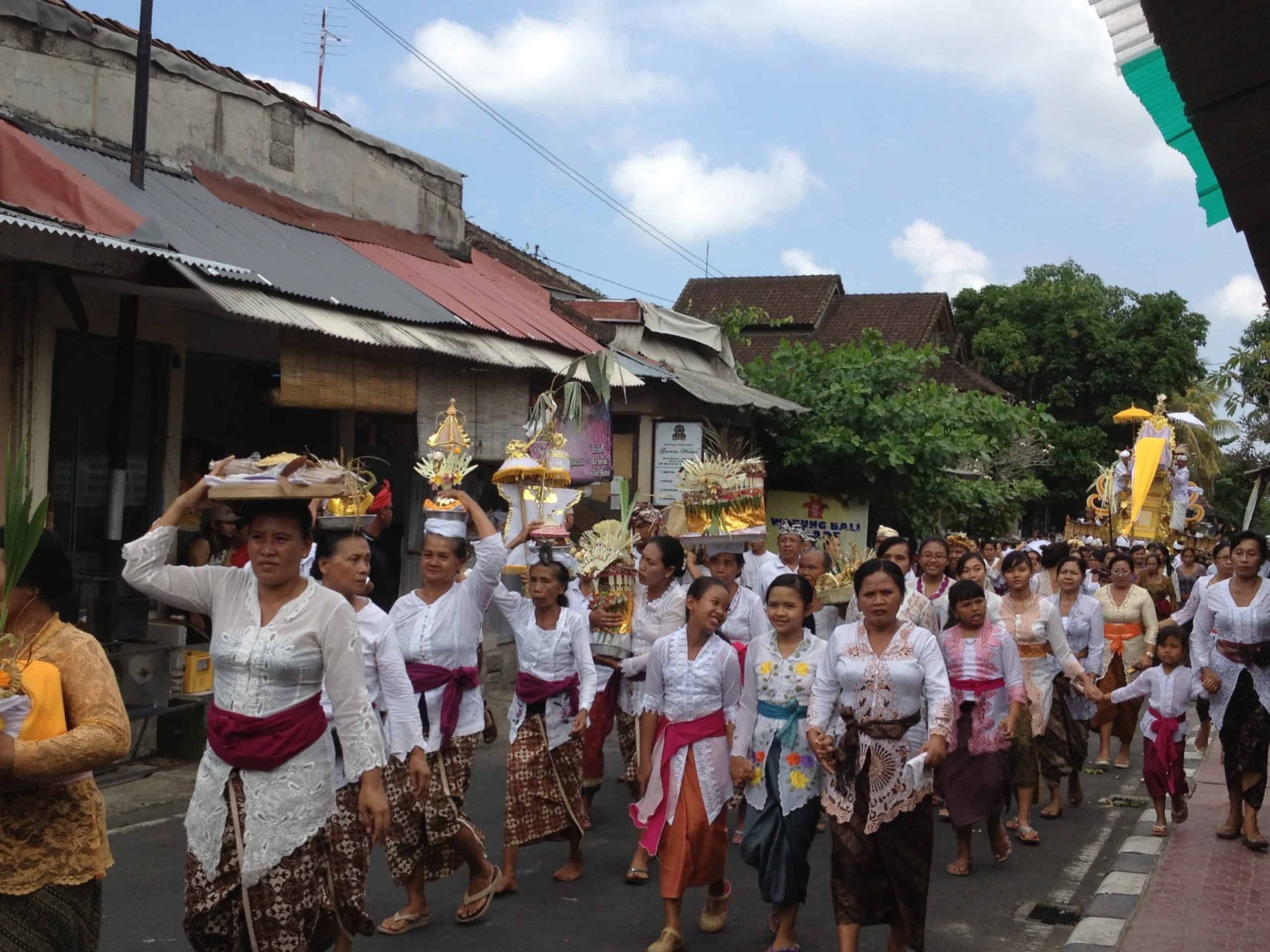
- Dress modestly at temples, covering your shoulders and knees. Speak softly and be mindful when taking photos.
- You can observe and even take discreet photos of certain ceremonies or processions, but do not interrupt or disrupt and do not use flash.
- Carry that modesty to village streets and markets by not wearing bathing suits and mid-drift bearing shirts.
- Respect sacred spaces. Many statues or even trees are considered sacred, especially if they are dressed with clothing, wrapped in cloth or have offerings placed at them. Be mindful before touching, climbing, sitting or taking disrespectful photos.
- Don’t step on or even over offerings. Offerings are placed high for deities and on the ground for spirits.
- While in public avoid blatant displays of affection or bursts of anger.
- Use your right hand when giving or receiving.
- Do not touch people’s heads (the most sacred part of the body) and take your shoes off before entering someone’s home (feet are considered humble and less clean than the rest of the body). Also, it can be seen as disrespectful to point your feet at people or sacred objects, or to show someone the soles of your feet.
- It is appropriate to bargain at local markets, but don’t play hard ball. Smile, be friendly and polite, and don’t counter with less than 50% of the items asking price.
- Island time is a reality. Be patient, Bali moves at its own pace.
Basic Communication and Greetings:
If you cannot remember a single line of communication, a genuine smile is always a great start. You will meet many locals that have an understanding of English. Speak slightly slower and annunciate.
- Hello: Om Swastiastu (Ohm Swah-stee-ah-stoo)
- Thank you: Suksma (suks-mah)
- Excuse me: Permisi (Per-mee-see)
- Where is: Dije (Dee-shu)
- Addressing men respectfully (Mr. or Sir): Bapak (Bah-pahk)
- Addressing women respectfully (Mrs., Ms., or Madam): Ibu (Ee-boo)
Final Pre-Trip Planning Tip from Your Travel Consultant
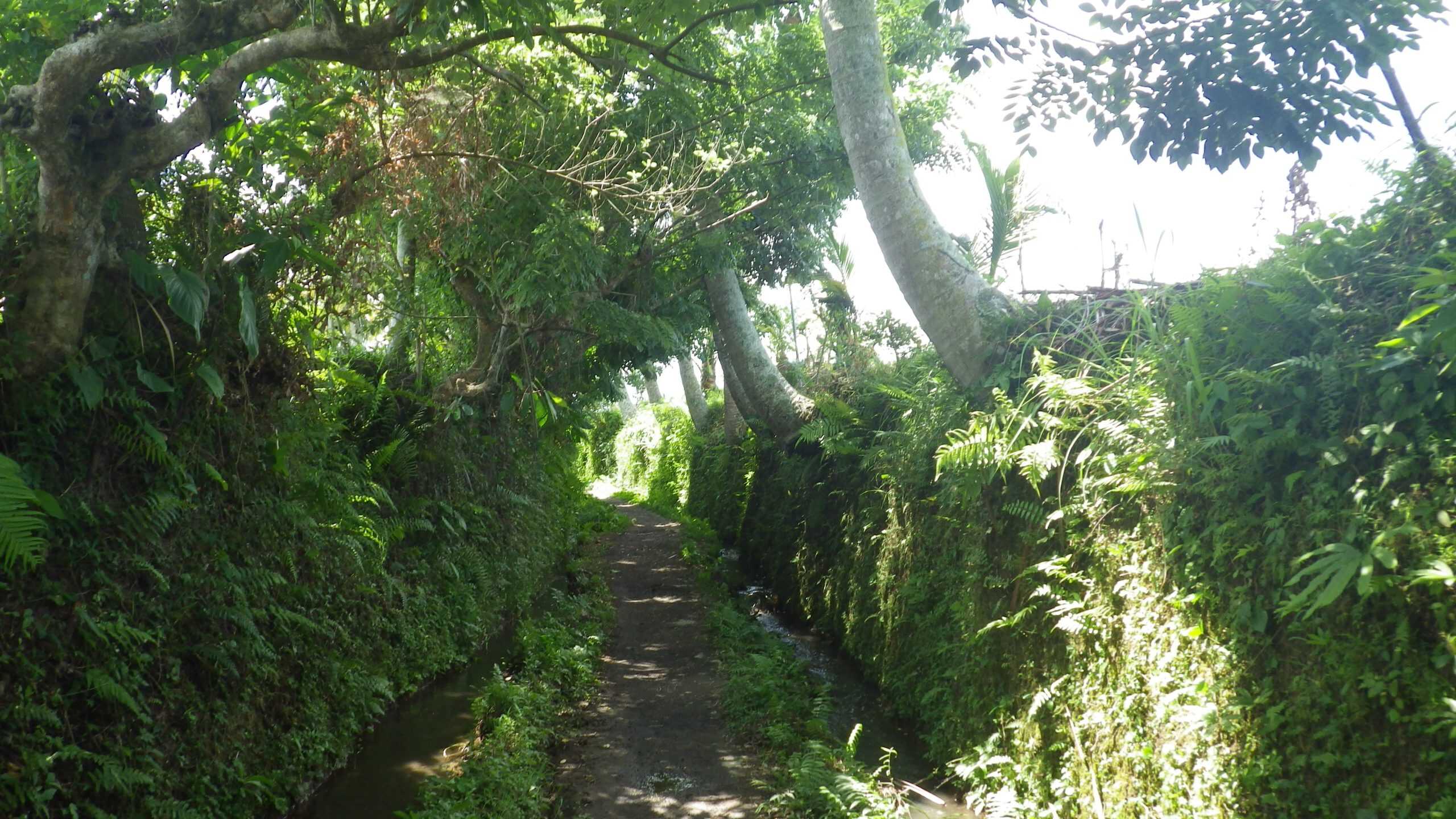
The biggest takeaway for first-time Bali travelers is this: logistics are easier when you plan ahead, but Bali itself rewards flexibility.
Know your visa plan. Have your documents ready. Book accommodations thoughtfully. Then, once you arrive, let the island slow you down.
If you’d like help navigating visa options, building a first-timer-friendly itinerary, or making sure your Bali trip flows smoothly from arrival to departure, that’s exactly where professional planning makes a difference.
Where to Stay in Bali for First Time Travelers
One of the most important decisions you’ll make when planning your first trip to Bali is where to stay. Bali may look small on a map, but traffic, geography, and the island’s diversity mean that location matters far more than first-timers expect.
For a well-balanced first trip, these four areas offer distinctly different experiences while remaining approachable, rewarding, and easy to navigate. There are a number of stunning accommodations across price points in any of these locations, but I’ve linked to a few of my personal favorites.
Ubud



Best for: culture, nature, wellness, and first-time orientation
If this is your first time in Bali, Ubud is often the most grounding place to begin. Set inland among rice terraces and jungle, Ubud is the cultural and spiritual heart of the island. It offers a slower pace than the coast, deeper exposure to Balinese traditions, and easy access to many of Bali’s iconic landscapes.
Why Ubud Is Great for First Timers
- Central base for cultural sights and day trips
- Strong wellness scene (yoga, spas, retreats)
- Excellent food options at all price points
- Easier introduction to Balinese customs and daily life
Things to Do Around Ubud
- Visit Tegallalang Rice Terraces early in the morning
- Walk through the Sacred Monkey Forest (Tip: Do not pet or feed the monkeys)
- Hike the Campuhan Rigde Trail, an easy paved and scenic path through rice terraces, villages and temples
- Explore temples like Pura Taman Kemuda Saraswati (Water Palace), Goa Gajah and Tirta Empul
- Take a Balinese cooking class
- Enjoy yoga or meditation in jungle studios, like the Yoga Barn
- Day trip to waterfalls and artisan villages
- Do a Photoshoot at The Real Bali Swing, where you can rent a flowy dress and photographer to get that perfect insta-worthy photo
Where to Stay in Ubud
- Four Seasons Resort Bali at Sayan : A serene, ultra-luxury jungle retreat with exceptional service
- Komaneka at Bisma: Elegant, centrally located, and perfect for first-timers who want walkability
- Wana Bucu Villas: Comfortable villa stay, refined, and excellent value with easy town access
- Beehouse Dijiwa Ubud: Adults-only resort with lush gardens and a pool with terrace views
Nusa Dua


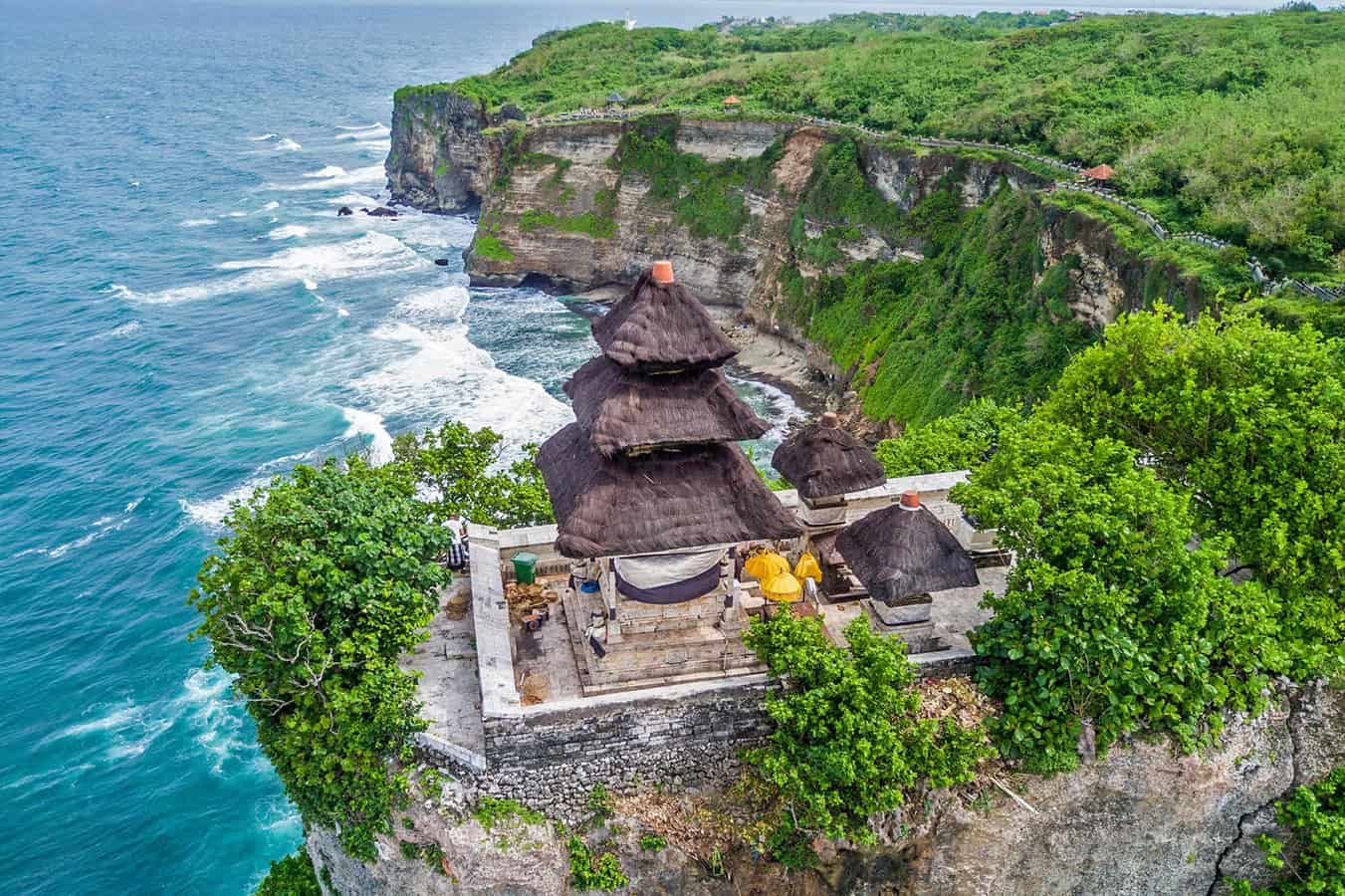
Best for: relaxation, resorts, and low-stress travel
Nusa Dua is Bali at its most polished. Purpose-built for resorts, this area offers calm beaches, excellent infrastructure, and minimal traffic, making it ideal for first-time visitors who want an easy, resort-style introduction to the island.
Why Nusa Dua Is Great for First Timers
- Clean, swimmable beaches
- Reliable transportation and smooth logistics
- High-quality resorts with international standards
- Ideal for honeymooners and travelers who want to unwind
Things to Do Around Nusa Dua
- Relax on some of Bali’s best swimming beaches
- a round of golf at the Bali National Golf Club
- Take a helicopter tour of the coast
- Visit the Bali Collection open air market for dining and shopping
- Pamper yourself at any number of 5-star spas in the area
- Day trip to Uluwatu Temple and some of the peninsula’s stunning cliffside beaches
- Enjoy water sports like snorkeling, scuba diving and paddleboarding
Where to Stay in Nusa Dua
- The St. Regis Bali Resort: Exceptional beachfront luxury and service
- The Mulia Villas: Grand, refined, and ideal for first-time luxury travelers
- Hilton Bali Resort: A classic resort with lush grounds and excellent value
Canggu



Best for: trendy vibes, cafés, surfing, and social energy
Canggu is Bali’s modern, creative hub that is popular with surfers, digital nomads, and travelers who love great coffee, casual dining, and sunset beach scenes. While busier than other areas, it’s still a strong option for first-time visitors who enjoy an energetic atmosphere.
Why Canggu Is Good for Some First Timers
- Strong café and restaurant scene
- Surf-friendly beaches
- Social, youthful energy
- Easy access to Seminyak and Tanah Lot
Things to Do Around Canggu
- Take a beginner surf lesson
- Watch sunset at Echo Beach
- Visit Tanah Lot
- Explore beach clubs and casual dining spots
- Shop local boutiques and markets
Where to Stay in Canggu
- COMO Uma Canggu – Stylish, wellness-forward, and beachfront
- Hotel Tugu Bali – Central, cultural, artistic, and seriously atmospheric
- Sunny Muse by Betterplace – Modern, minimalist, and perfect for design lovers
- Desa Hay Canggu: 5-star, adults-only haven with luxurious Jabu suites with private plunge pools
Amed


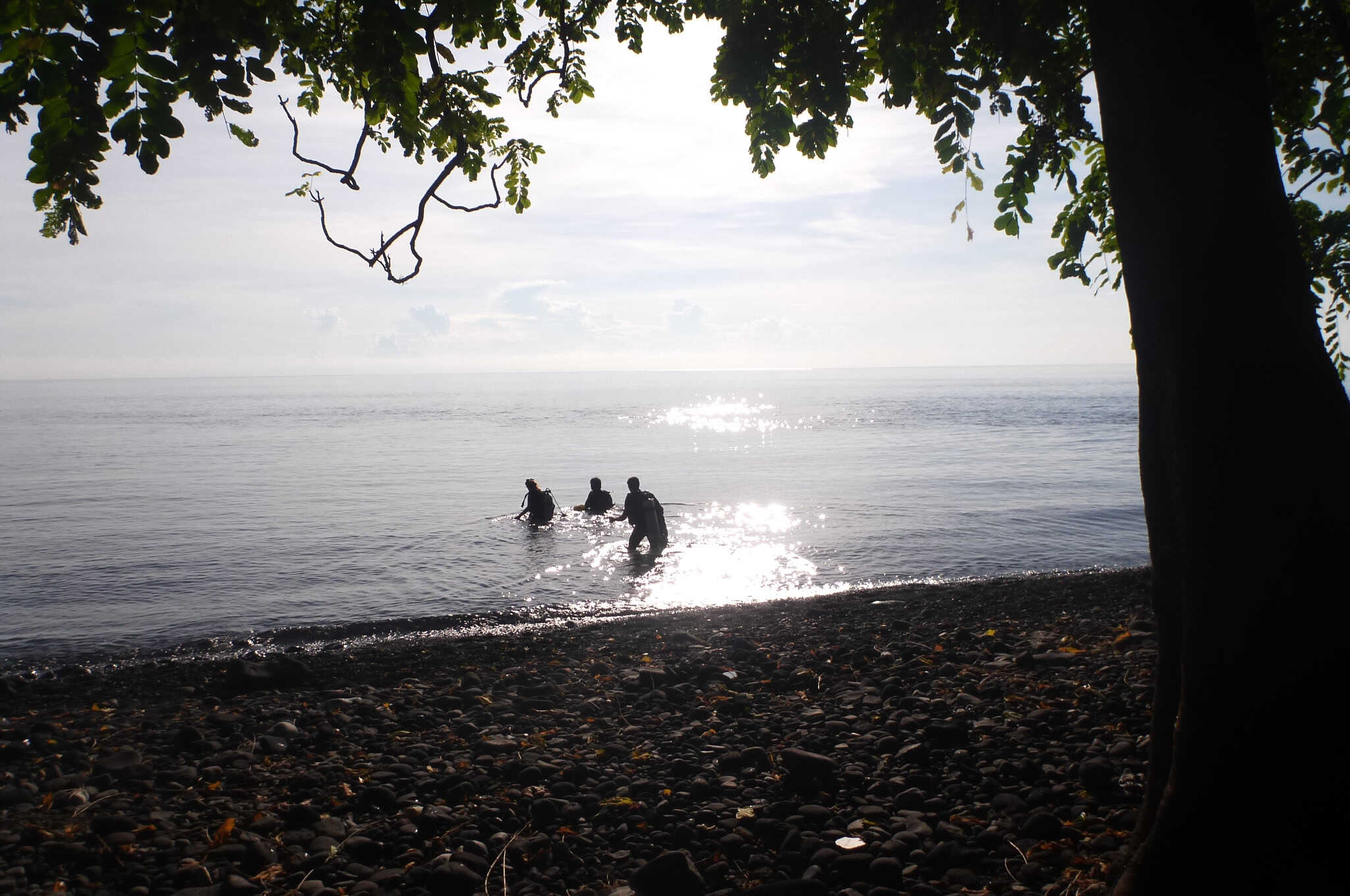
Best for: snorkeling, diving, and a quieter side of Bali
Amed sits on Bali’s northeast coast and offers a completely different experience from the south. It’s peaceful, traditional, and known for its black sand beaches and vibrant marine life, making it an excellent addition to a first trip for travelers who want to slow down and enjoy a natural environment.
Why Amed Is Great for First Timers (Especially Divers)
- Calm, uncrowded atmosphere
- Excellent snorkeling and diving right from shore
- Authentic village feel
- Stunning views of Mount Agung
Things to Do Around Amed
- Shore snorkeling and diving from areas like Tulamben, where you can explore the USAT Liberty Wreck
- Enjoy sunrise views from Mount Agung, then do a hike or mountain bike tour down, visiting traditional homes and coffee plantations
- Visit traditional fishing villages and black sand beaches along the coast
- Relax with oceanfront dining
- Day trips to Tirta Gangga Water Palace, Pura Agung Besakih, and Penataran Agung Lempuyang Temple
Where to Stay in Amed
- The Griya Villas and Spa – Upscale villas with panoramic ocean views
- MATHIS Lodge Amed – Outstanding views and serene design make this mountain retreat a real stunner
- The Angsa Villas: Seaview villas with private infinity pools, only steps away from a snorkeling beach
- Emocean Beach Boutique Dive Resort: This beachside resort with spa facilities is comfortable, relaxed, and ideal for divers
Recommended Combinations from Your Travel Consultant



For most first-time travelers spending 7-10 day in Bali, two bases is ideal:
- Start inland for 4-6 days in Ubud for culture and nature
- Finish on the coast in:
- Nusa Dua, if you are a more traditional traveler looking for luxe amenities and golf or beach activities
- Canggu, if you are looking for some nightlife and surf lessons
- Amed, if you are an avid scuba diver or are looking for a slower more natural and cultural experience
If you are spending 14 nights or more you can easily do Ubud and Amed, with a couple of days at either Canggu or Nusa Dua at the end of your trip since they are both nearer to the airport. For 14+ day itineraries consider a 3-4 night stay on a nearby island like the Gili’s.
Choosing the right places to stay, and staying one place long enough to truly explore and enjoy it, is what transforms a Bali trip from overwhelming to restful and meaningful.
What to Skip on Your First Trip to Bali
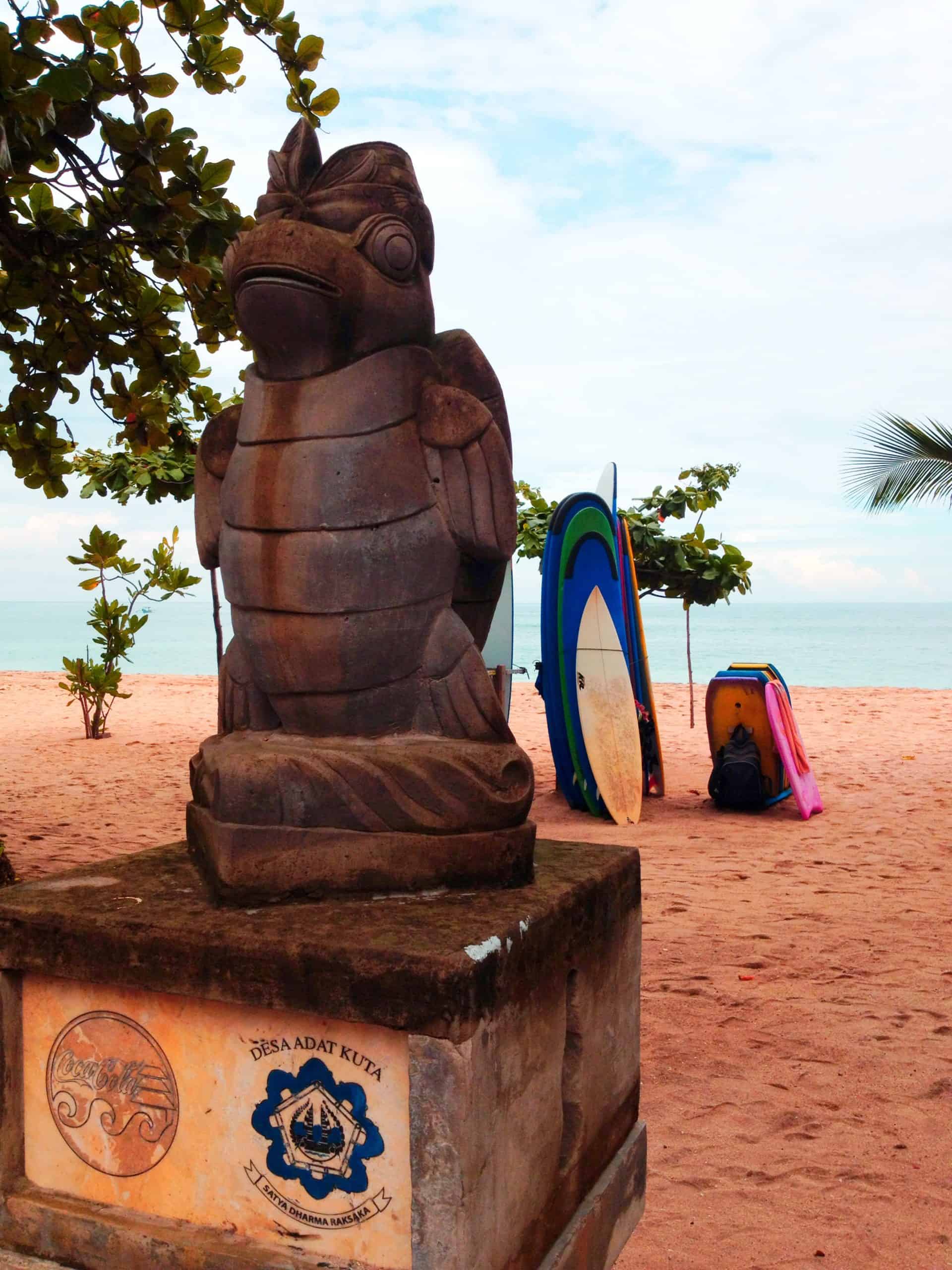
One of the most valuable lessons I share with first-time Bali travelers is this: you don’t need to see everything to have an incredible trip. Bali rewards travelers who move slowly, choose intentionally, and allow space for discovery. Trying to cram in every headline attraction often leads to exhaustion, and a much shallower experience.
Here are a few things I typically recommend skipping (or at least reconsidering) on your first trip to Bali.
Kuta Beach
Why to skip it:
Kuta Beach is one of Bali’s most well-known stretches of sand, but it’s rarely what first-time visitors imagine when they picture Bali. The area is heavily developed, crowded, and far removed from the island’s cultural and natural charm. When I visited it was by far my biggest disappointment.
While Kuta played a major role in Bali’s early tourism boom, today it’s better known for:
- Congested streets and aggressive vendors
- Overcrowded beach conditions
- A party-centric atmosphere
- Limited swimming due to strong surf and pollution
Who it’s for: budget party travelers and nightlife-focused trips
Why first-timers are better elsewhere: areas like Seminyak, Canggu, Nusa Dua, or Uluwatu offer far more appealing beach experiences (including the surfing that Kuta is known for) with better dining, scenery, and atmosphere.
Overstuffed “Instagram” Day Trips

Some of Bali’s most photographed spots are beautiful, but seeing them all in one rushed day often turns magic into chaos. And, standing in long lines in humid weather can definitely put a damper on the day. We all want iconic pictures at places like The Water Temple in Ubud, but consider that there are many temples across the island that have the same stone towers and photo opts, but fewer crowds. A little research and planning goes a long way.
Common first-trip pitfalls include:
- Packing multiple temples, waterfalls, and viewpoints into a single day
- Visiting famous sites mid-day when crowds peak
- Spending more time in traffic or standing in lines than enjoying the destination
What to do instead:
Choose one or two meaningful experiences per day, go early if at all possible, and let the rest of the day unfold naturally. Be sure to plan rest days that don’t include tours, taxi’s or temples. This is where a well thought out itinerary from an experienced travel professional truly shines.
Constant Hotel-Hopping
Bali looks deceptively small on a map, but travel times are long and traffic can be unpredictable. Moving hotels every two or three nights eats into your experience far more than most first-timers expect.
Better approach:
- Choose two thoughtfully located bases
- Stay at least 4–5 nights in each
- Use thoughtful day trips instead of constant relocation
Trying to “See All of Bali” in One Trip

I spent three weeks in this paradise and didn’t even scratch the surface of what it has to offer. Bali has beaches, jungles, volcanoes, temples, islands, villages, and surf towns, and nearby islands (like the Gili’s and Lembongan) that tempt travelers into overextending their itinerary.
First-time travelers often regret:
- Rushing between Bali, Nusa Penida, Lombok, and the Gili Islands
- Spending full days in transit for short stays
- Feeling perpetually behind schedule
Travel consultant truth:
Bali will still be there. A focused, well-paced first trip is far more rewarding than a whirlwind tour that leaves you tired and disconnected. The region is definitely worth multiple trips, and when you slow down and savor the island life, you’ll feel that pull to return even more.
Riding Scooters Without Experience

Scooters are everywhere in Bali, and they look easy, until they’re not.
For first-time visitors, scooters often mean:
- Navigating chaotic traffic
- Unfamiliar road rules
- Higher risk of accidents
Unless you’re an experienced rider, it’s far safer (and often more enjoyable) to hire a private driver or use local transport services. If you must, the only place I would recommend renting a scooter is for short excursions around the Amed area or the outskirts of Ubud.
Ignoring Cultural Context
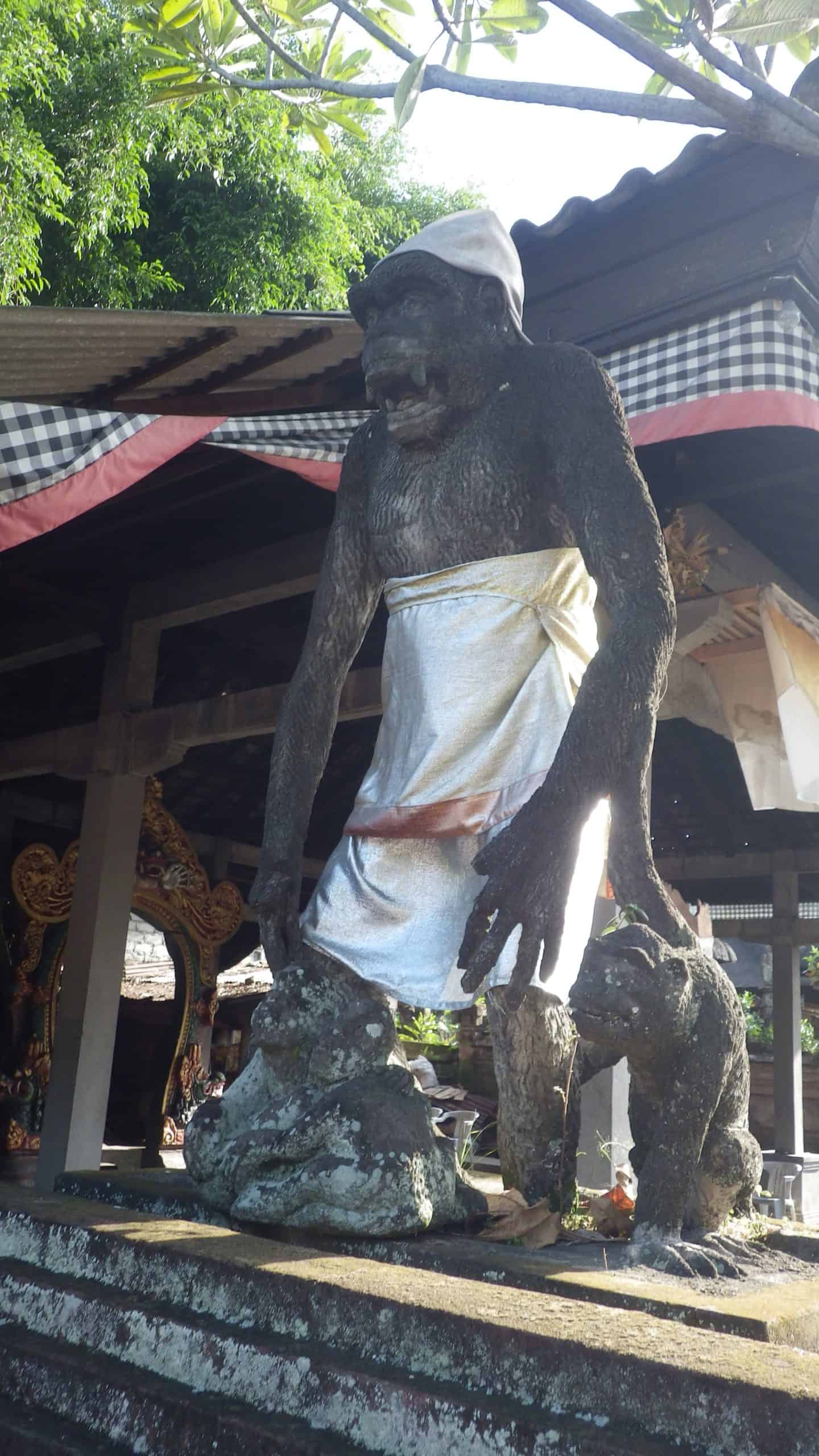

This isn’t something to “skip,” but rather something to avoid doing poorly. Bali’s culture is deeply spiritual, and small gestures of respect matter.
Avoid:
- Wearing revealing clothing at temples or even village centers and markets
- Stepping on or over offerings
- Treating ceremonies as photo ops
- Public displays of affection or anger
- Climbing on or disrespecting sacred sites such as the wrapped statue and tree above
The Balinese people are some of the friendliest souls you will meet across the globe. Slowing down and observing respectfully often leads to more meaningful encounters.
Skipping Smartly is Not Missing Out

Skipping doesn’t mean missing out, it means making space for what actually matters. On your first trip to Bali, fewer destinations, fewer transitions, and fewer expectations often lead to deeper experiences and better memories.
Bali is not a checklist destination. It’s one that unfolds when you give it time. When you plan with intention, you don’t leave feeling like you rushed through Bali; you leave feeling like Bali stayed with you.
Final Thoughts from Your Travel Consultant
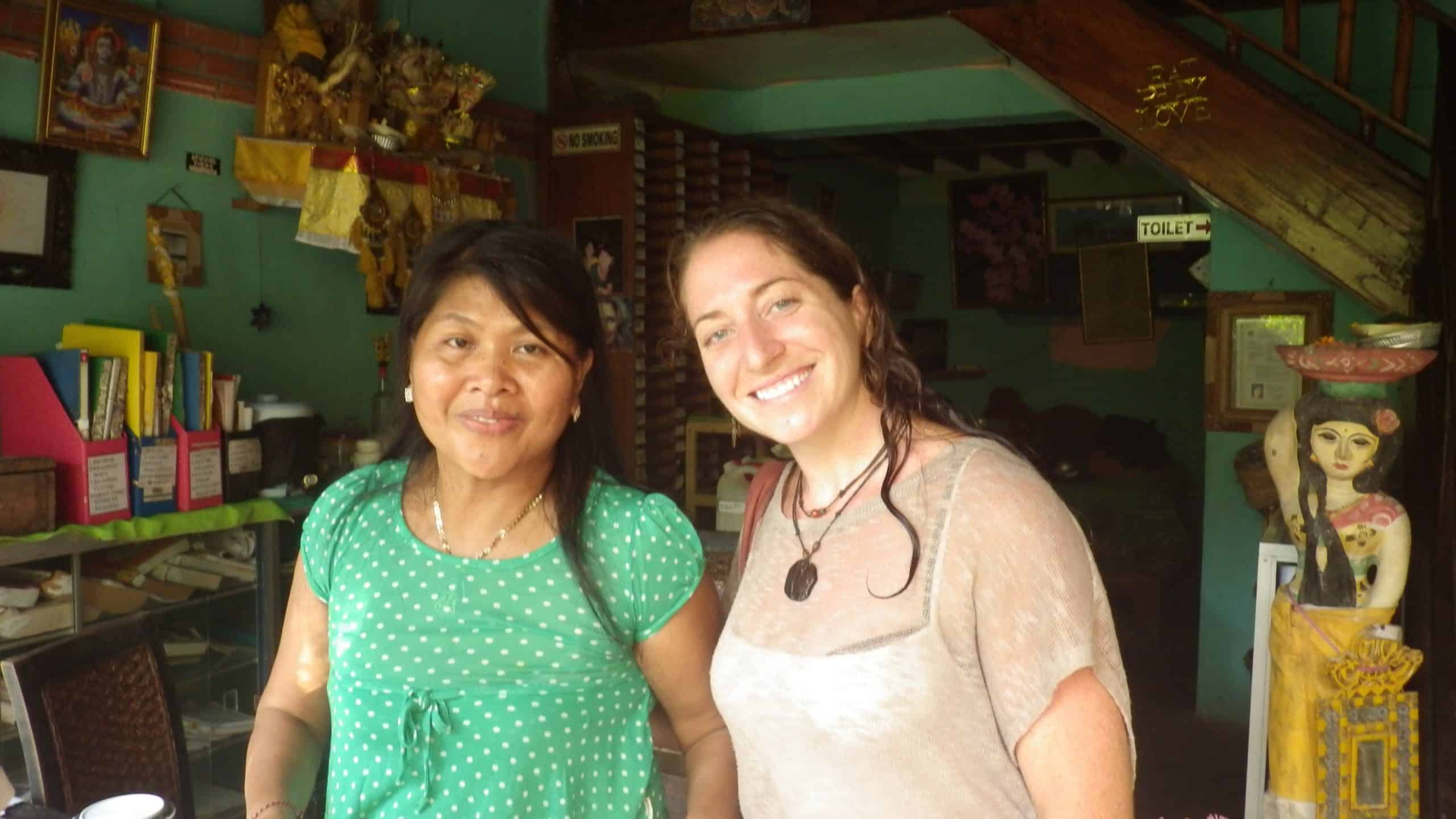
From quiet mornings in Ubud to sunset dinners by the sea, the magic of Bali lives in the moments between the highlights. After weeks of exploring the island firsthand, I’ve learned that the most memorable trips are the ones planned with intention and breathing room. And even if it ends up being 10 years between trips, like me, Bali is worth returning to.
If you’d like help turning all of this inspiration into a clear, well-paced plan, my custom travel itinerary planning services are designed to do exactly that—whether you want a relaxed first-timer route or a more immersive experience built around your interests. Bali is best when it feels personal, and I’d love to help you plan a first trip that truly feels like yours.