Exploring Mexico’s Magical Cenotes: A Diver’s Journey into the Underworld
This article contains affiliate links. If you make a purchase using one of the links provided, I may receive compensation from the service or product provider at no additional cost to you. Read my disclaimer for more information.
Cenote Diving Tulum – Mexico’s Gateway to the Underworld
If you’re dreaming of an adventure that combines natural wonder, ancient history, and unforgettable underwater experiences, look no further than the cenotes of Tulum in Mexico’s Yucatán Peninsula. These crystal-clear freshwater sinkholes are windows into a submerged world of limestone caverns, otherworldly rock formations, and tranquil beauty, not to mention, they offer some of the most memorable diving experiences on the planet.
There are over 3,000 known cenotes in the Yucatán, and it’s believed that many of them are interconnected. I had the chance to dive a few in the roughly eight months I lived in this amazing country back in 2016, which means I have 2,997 more reasons to return!
In this guide I’ll explain exactly what a cenote is, and why they are worth diving. I’ll also share my personal experiences diving two of the region’s most popular cenotes, provide a list of other cenotes I recommend putting on your dive list, and give you all the information you need to plan your own cenote diving adventure.
From hidden jungle cenotes to luxury stays near the Riviera Maya, your next dive trip deserves expert planning. As both a professional diver and seasoned travel advisor, I’ll help you experience the best of Mexico, above and below the surface.
🌊 Reach out via my Services Page to begin your custom dive itinerary.
What is a Cenote?
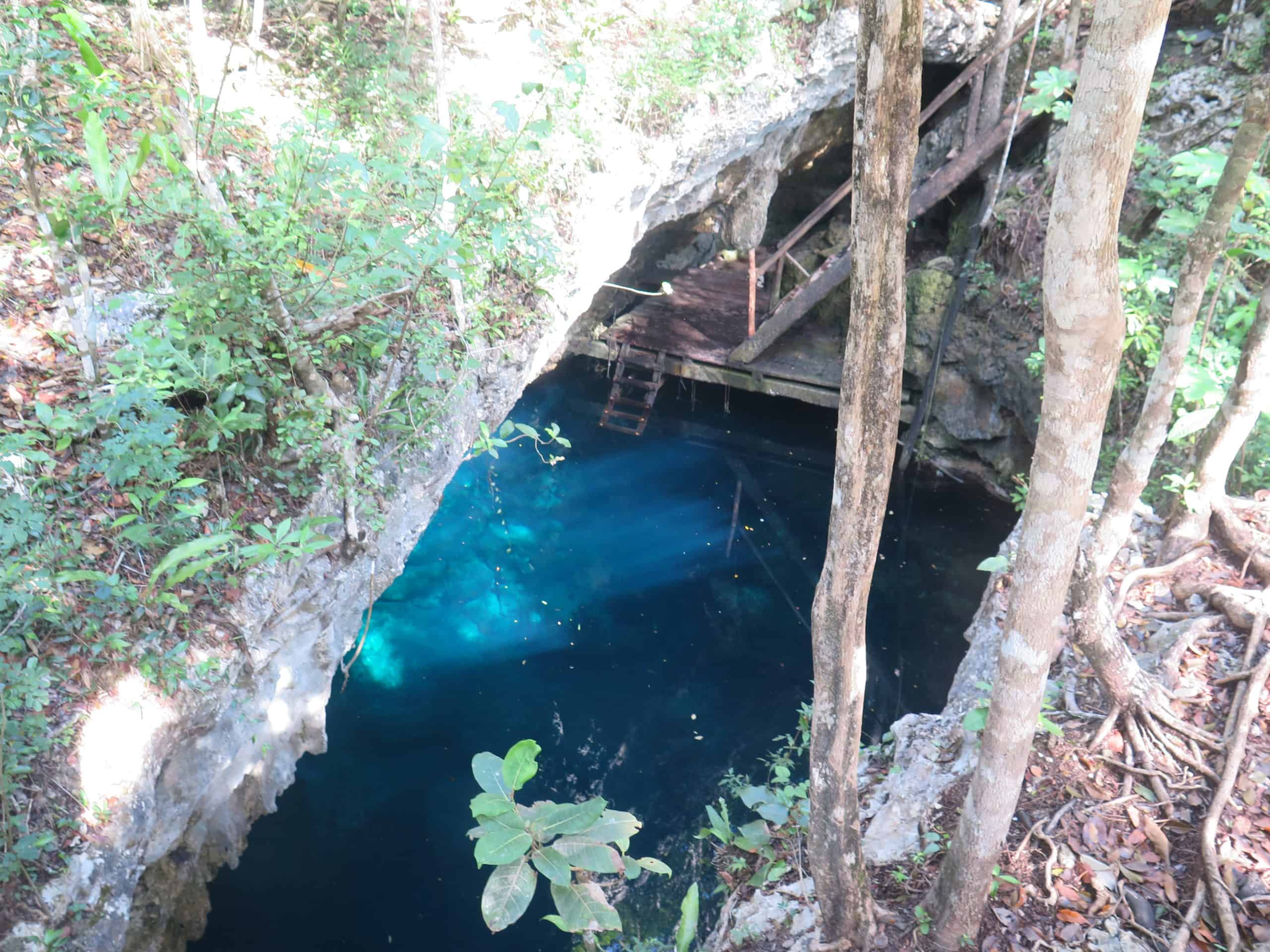
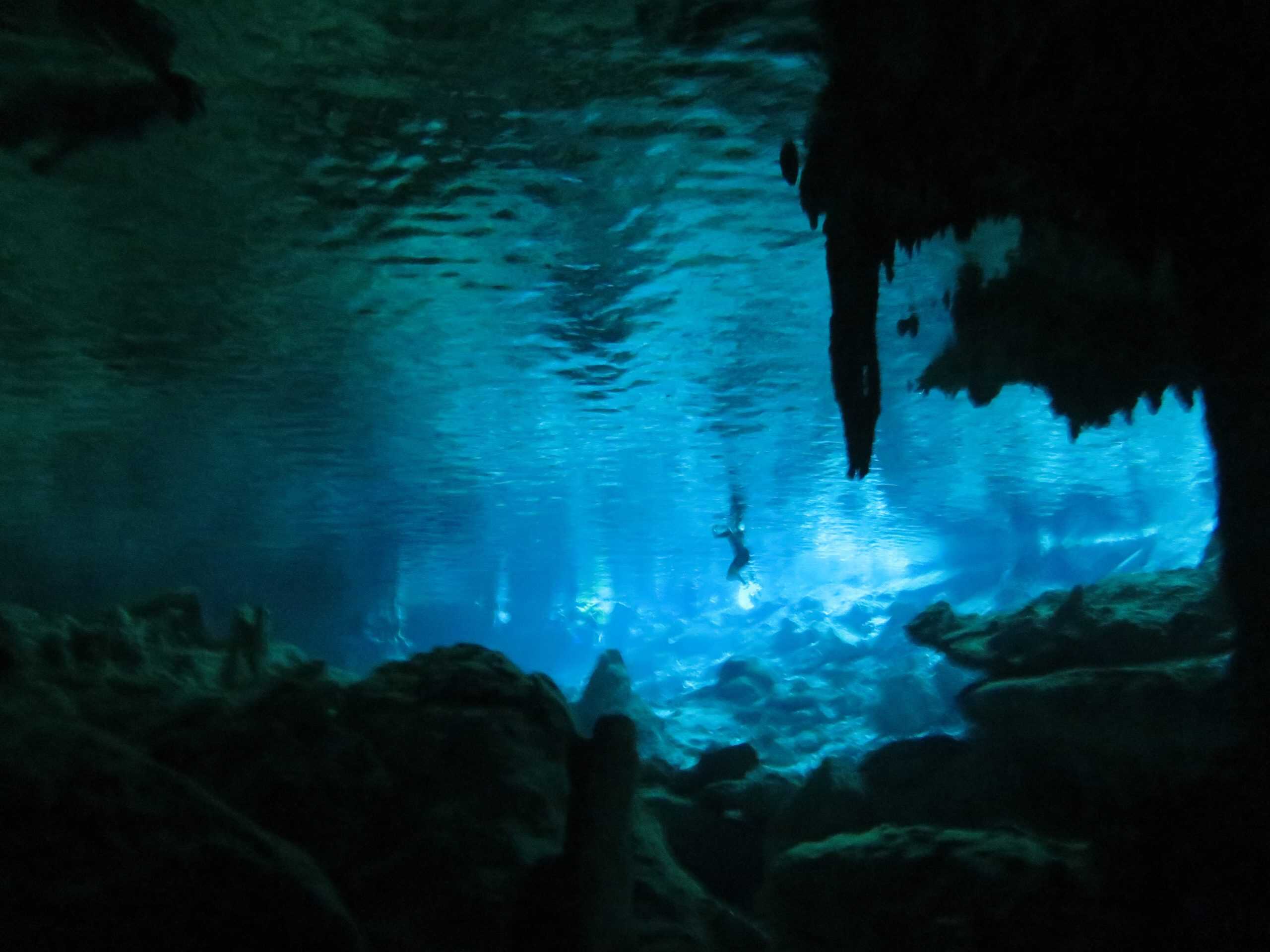
A cenote is a sinkhole and doorway into the Yucatán Peninsula’s underground aquifer system, the largest in the world. Mexico’s Yucatán Peninsula is composed of a vast limestone cave system that formed millions of years ago during the age of the dinosaurs, when the region lay beneath the ocean. As sea levels receded during the Ice Age, the ancient coral reef was exposed and eventually died, leaving behind a porous limestone skeleton. Rainwater slowly seeped through the rock, carving out a maze of intricate caves adorned with stunning stalagmites and stalactites.
When the Ice Age ended and polar ice melted, the peninsula flooded once more, creating the spectacular underwater cave systems we can explore today. The limestone acts as a natural filter, purifying rainwater into crystal-clear freshwater that floats above the denser saltwater below. This unique geology grants divers unparalleled visibility in an underwater world unlike any other.
My Experience Diving Cenotes in Tulum
This was during a time I volunteered at a marine research base in the Sian Ka’an Biosphere. We were tasked to collect data on the health of the Mesoamerican Barrier Reef (the 2nd largest barrier reef in the world after Australia’s Great Barrier Reef), but on our weekends we liked to escape our barebones lifestyle on base and explore some of the surrounding cities.
On this particular weekend our group traveled about two hours north from the Pez Maya base to the vibrant town of Tulum. As soon as we arrived, we shopped for a dive shop that could guide our relatively large group. It didn’t take long to find Scuba Tulum, where we quickly booked a two-tank cenote dive for just $70 each. The next morning, we were off bright and early to dive The Pit and Dos Ojos.
Dive One: El Pit
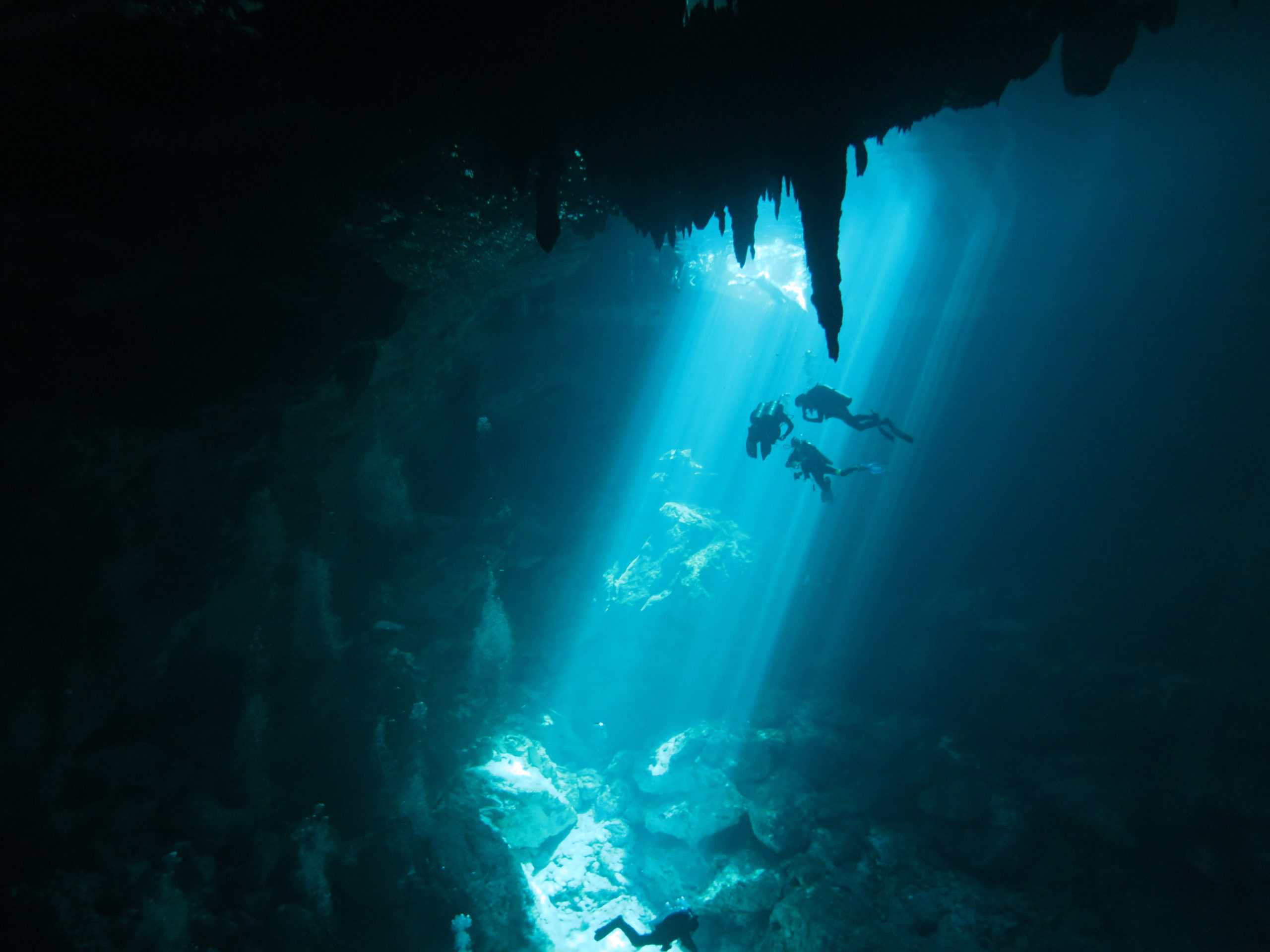
Our first dive was at The Pit, a legendary cenote that plunges over 100-feet deep. We carried our gear down a narrow walkway where the water seemed to glow in the sun’s rays through the opening of the cavern. As we descended into the depths, sunlight streamed through the water, casting ethereal beams that danced in the clear blue water. At about 30-ft deep came the halocline, a surreal layer where freshwater meets saltwater, producing a shimmering, oil-slick effect that felt like slipping between worlds.
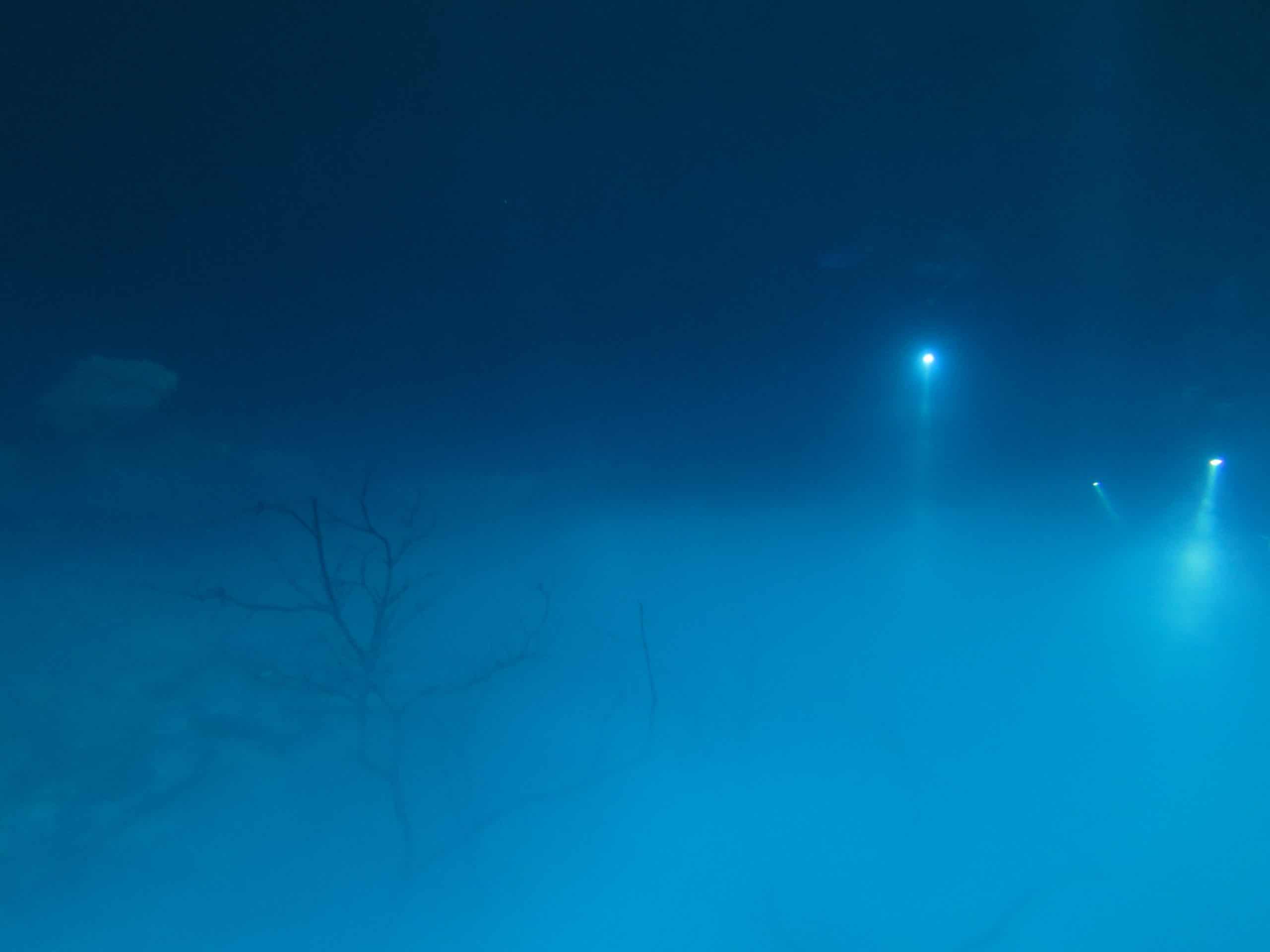
Below the halocline, the water turned dark but returned to crystal clear. Jagged limestone walls surrounded us, worn smooth by millennia of water movement. Around 100-feet deep, what looked like a sandy floor emerged, but as we approached noticed that it was actually a dense hydrogen sulfide cloud. It resembled an eerie underwater river, complete with submerged branches of ancient trees protruding through the mist. The effect was otherworldly. While more advanced divers can explore deeper into the abyss, we floated just above the cloud before beginning our ascent.
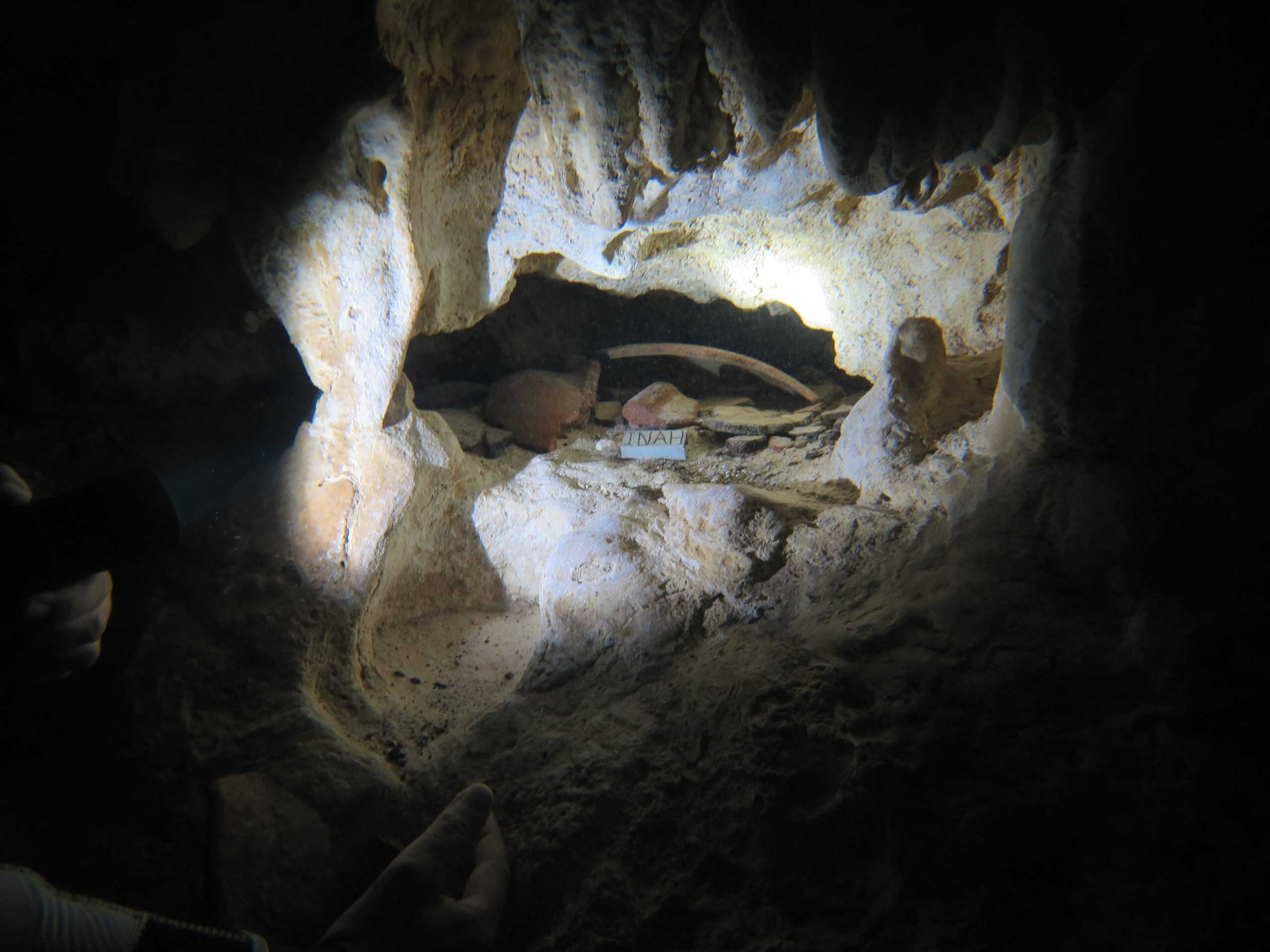
Before returning to the surface, our guide showed us into a short cave passage where we saw ancient artifacts from the Maya civilization, including pottery used in ritual sacrifices. The spiritual energy of the place was undeniable.
Dive Two: Cenote Dos Ojos
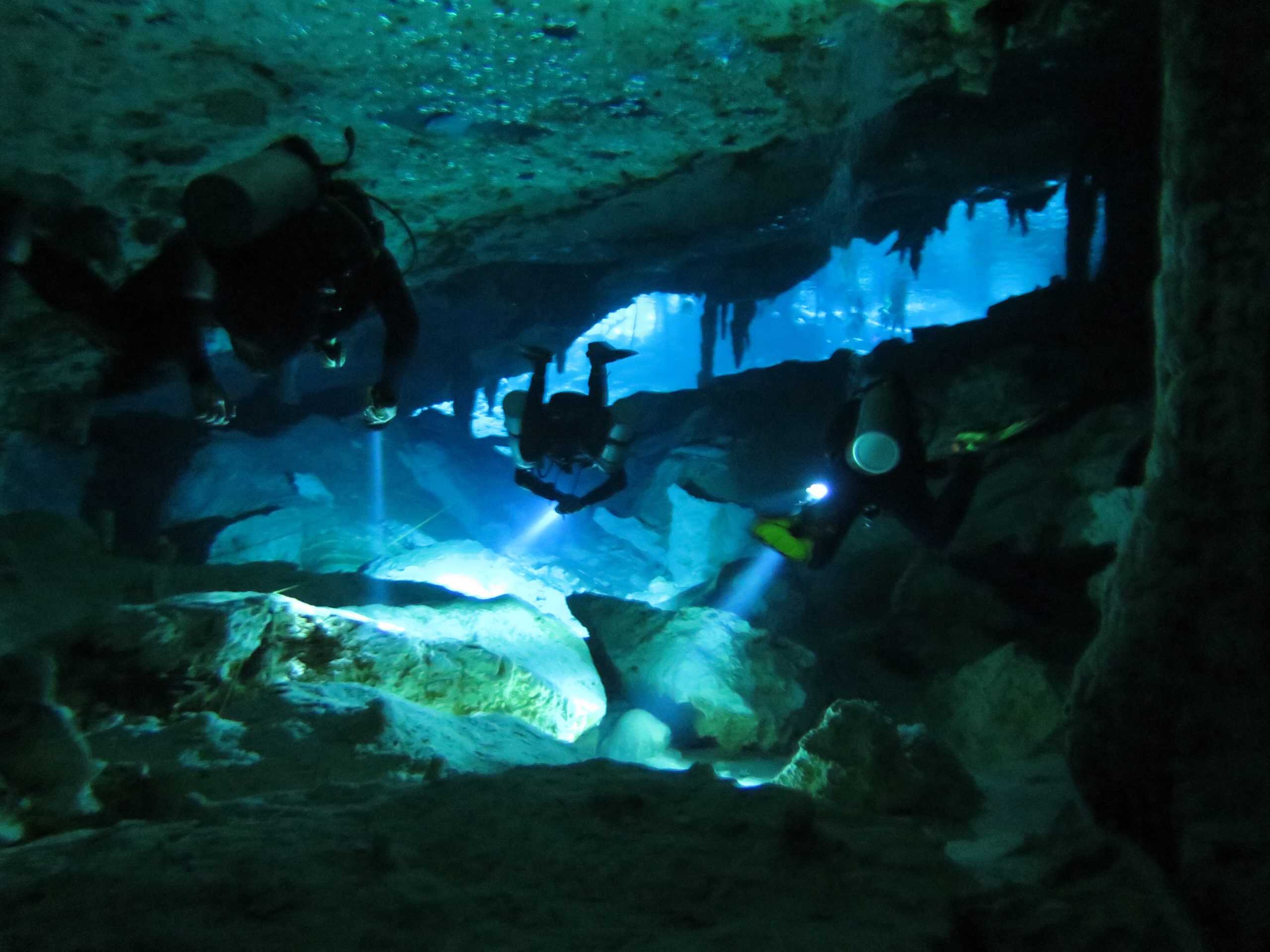
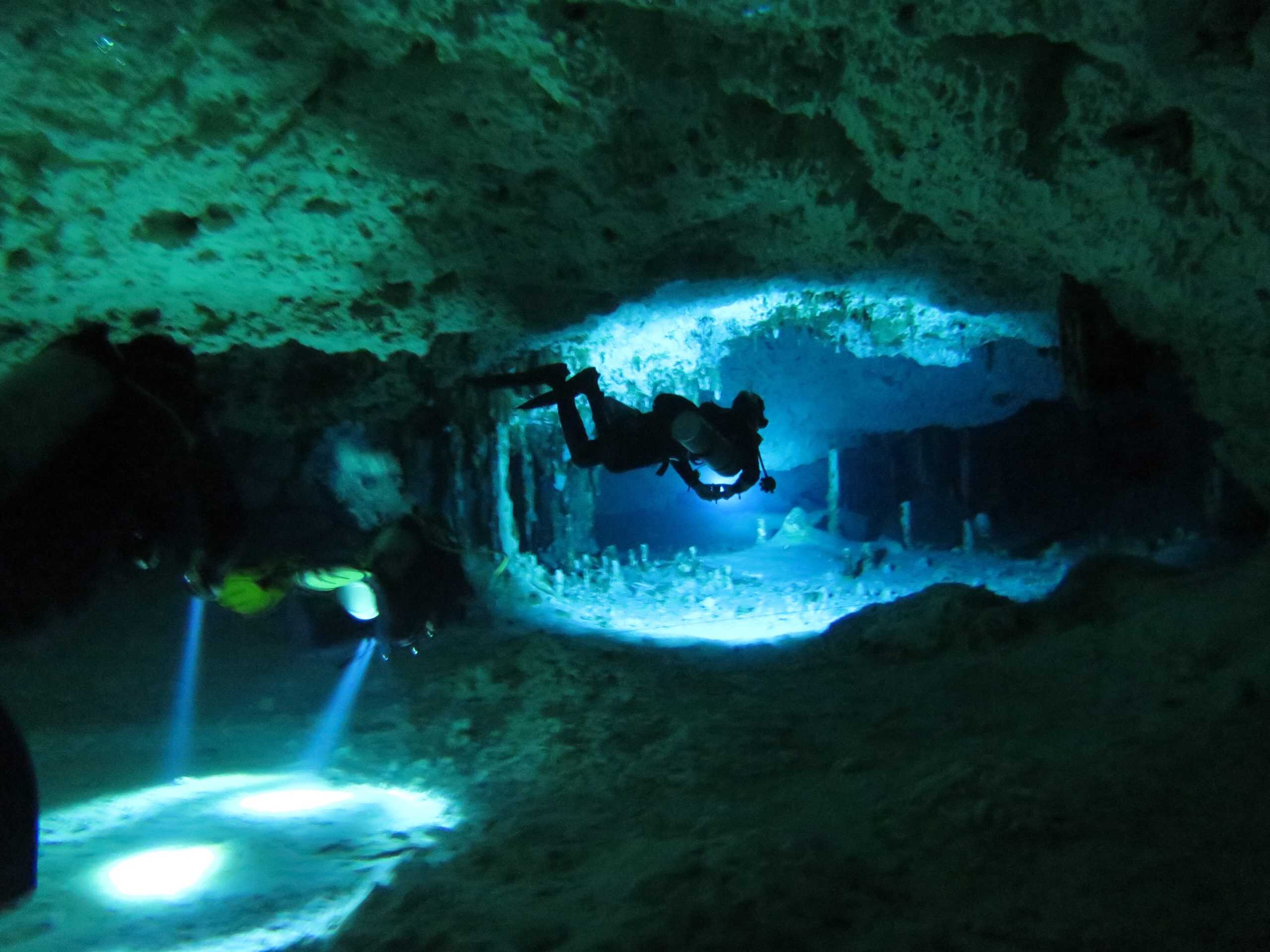
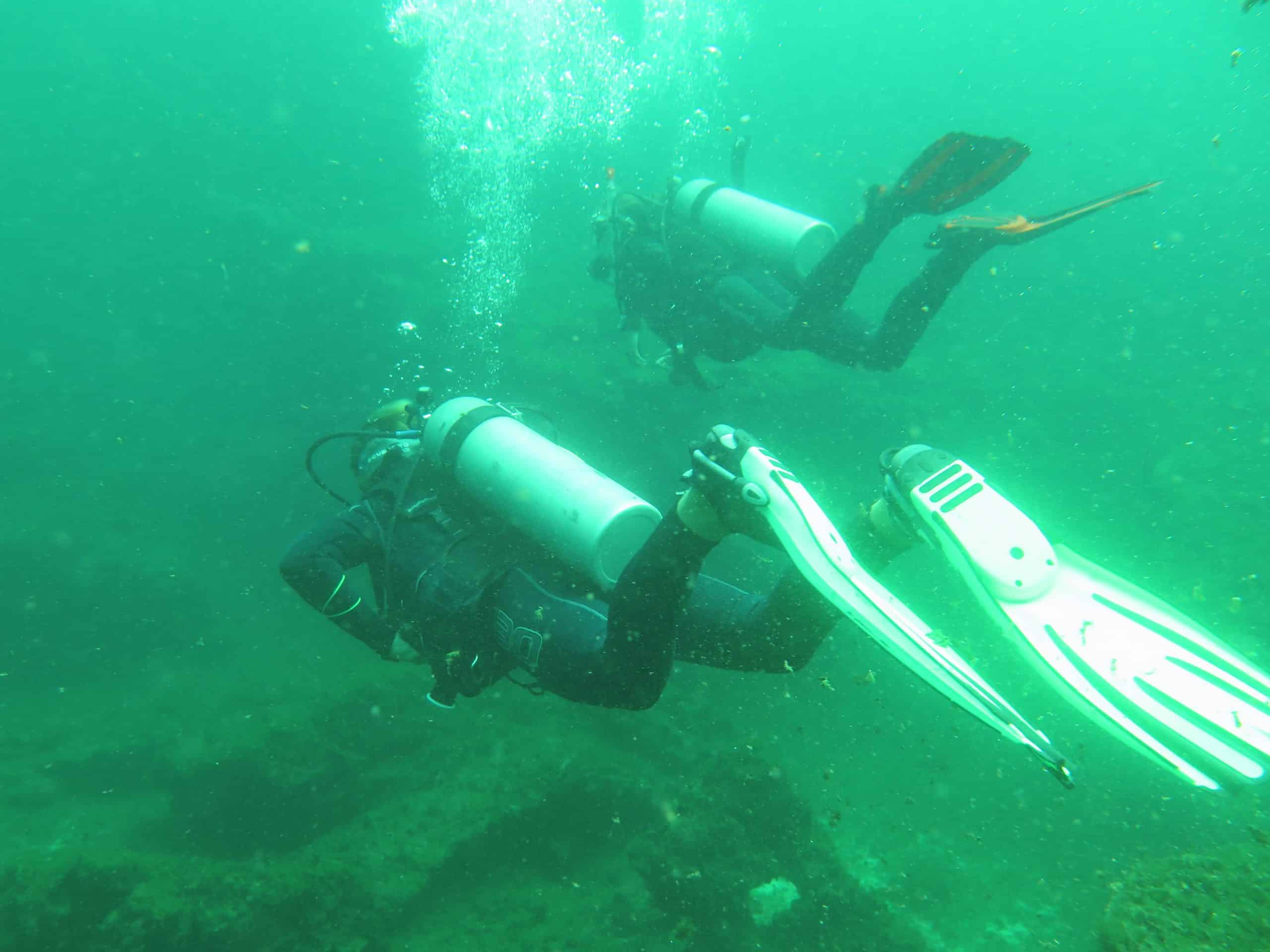
Next, we visited Dos Ojos, a dual-entrance cenote known for its intricate cave system. We chose the “Barbie Line,” a longer and more adventurous route than the “Bat Cave.” Though technically not considered cave diving (because you can still see the light from the entrances), many areas felt fully enclosed. This was as close to real cave diving as many recreational divers will get.
At a shallow 20-feet, we were able to stay underwater for over an hour. We followed a rope guide through tight passageways, gliding past dramatic rock formations and beneath low-hanging stalactites. Buoyancy control was essential, as some areas required precision and calm. Grim reaper signs warned divers away from unexplored or dangerous routes—a haunting but important reminder of the environment’s complexity.
Between the awe of The Pit and the cave-like thrill of Dos Ojos, I felt like I’d sampled the very best of cenote diving. But of course, there’s always more to explore.
Other Exciting Cenotes for Divers
If you’re planning a cenote diving adventure, consider adding these incredible sites to your itinerary:
- Cenote Angelita (near Tulum): Famous for its deep hydrogen sulfide cloud and the illusion of an underwater river. A ghostly, cinematic experience.
- Cenote Carwash (Aktun Ha): Close to Tulum and accessible, Carwash is great for beginners. It features beautiful vegetation, freshwater fish, and even the chance to spot turtles.
- Cenote Tajma Ha: Known for stunning light effects and fossilized coral formations, this site offers a mix of open and cavern-style diving.
- Cenote Calavera (Temple of Doom): A fun entry point via a jump from the surface, this cenote features unique formations and an exciting halocline.
How to Get There and Travel Logistics
The best gateway to cenote diving is the Cancún International Airport (CUN), which connects with most major cities in North America and beyond. From Cancún, head south by rental car, bus, or private shuttle to Tulum, which serves as a central hub for cenote diving.
Best Time to Go
Cenote diving is possible year-round, but the dry season (November to April) offers the best visibility and weather conditions. Keep in mind that cenotes remain a constant cool temperature (around 75°F/24°C), so a wetsuit is recommended.
Ground Transportation
- Rental Cars are ideal if you plan to explore independently.
- ADO Buses offer reliable public transportation between major towns like Cancún, Playa del Carmen, and Tulum.
- Taxis and colectivos (shared vans) are affordable and convenient for short local rides.
- Dive Shops: Most dive shops will drive you from the shop or your hotel to the cenotes and return.
- There is no Uber in Tulum, but the options above are all reliable.
Diver Friendly Hotels in Tulum for Every Budget
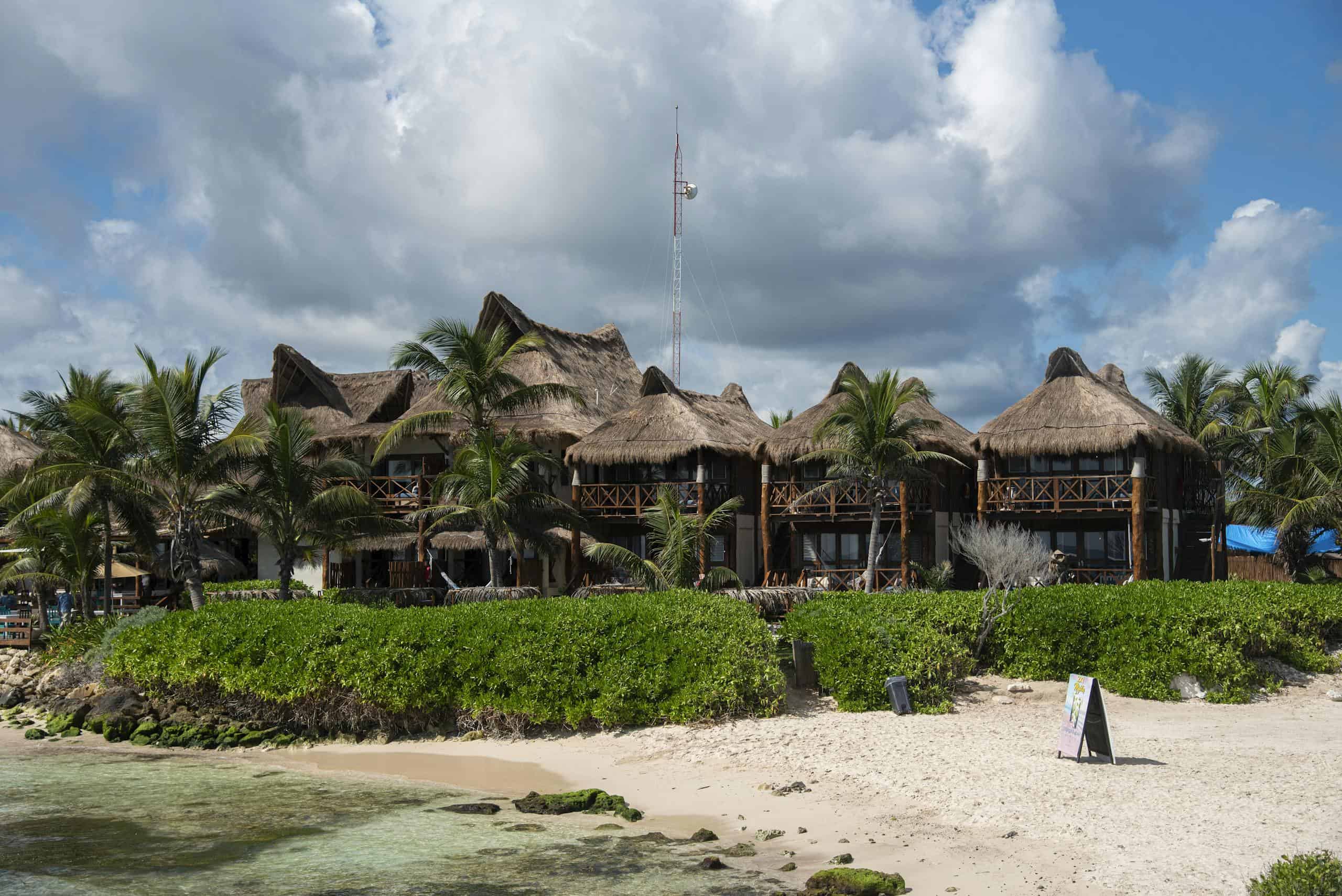
Tulum is more than just a diving hub, it’s also a place to unwind, recharge, and soak in the vibes of the jungle-meets-beach paradise. Whether you’re traveling on a budget or looking to indulge, here are top hotel picks across price points.
Bonus: Many of these are conveniently located for divers or partner with local dive shops.
Budget-Friendly ($–$$)
- Mama’s Home Hostel: A laid-back, social hostel with a great location in downtown Tulum. Clean, colorful, and affordable—with a friendly vibe that’s perfect for solo travelers or divers on a budget.
Pro tip: They can help arrange tours and dives through local operators. - Casa Abanico Tulum: Nestled in a quiet garden setting downtown, this guesthouse offers excellent value with AC, hammocks, and a communal kitchen. Close to many dive shops and great tacos!
Mid-Range ($$–$$$)
- Olas Tulum: A tranquil, eco-conscious beachfront stay with just a handful of rooms. Breakfast is included, and the location provides easy access to cenotes and beach dives.
Diver-friendly with early breakfast options and secure gear storage. - Hotel Tiki Tiki: Located in the Aldea Zama neighborhood, this stylish boutique hotel has a retro-chic vibe and a serene pool. It’s close enough to town and a short ride to most cenotes.
Ask the concierge about diving options—they’re happy to connect guests with reputable shops.
Luxury ($$$–$$$$)
- La Valise Tulum: A boutique beachfront escape with world-class service, open-air showers, and dreamy decor. Perfect for relaxing after a day of cenote or reef diving.
Their staff can coordinate private transport and diving excursions. - Casa Malca: Once owned by Pablo Escobar, now a luxury art hotel, this spot blends high design with a bohemian spirit. Excellent food, service, and privacy.
Ideal for couples or those who want upscale comfort after long dive days. - Habitas Tulum: An adult-only, sustainably built resort with an emphasis on community, wellness, and nature. On-site programming includes yoga, sound healing, and locally curated excursions—including diving.
Their concierge can arrange full dive days tailored to experience level.
Choosing a Dive Shop
Tulum and Playa del Carmen are packed with reputable dive shops that will be happy to take you to the local cenotes. I was happy with Scuba Tulum, who took our group to The Pit and Dos Ojos.
However, having spent a significant amount of time diving in Mexico, and as a dive instructor myself, I must warn: Always confirm that your guides are certified and that they provide proper safety briefings. Check your rental gear and tank markings carefully, and never feel shy about choosing not to dive if at any time you feel unsafe.
Cenotes Are Not Just for Divers
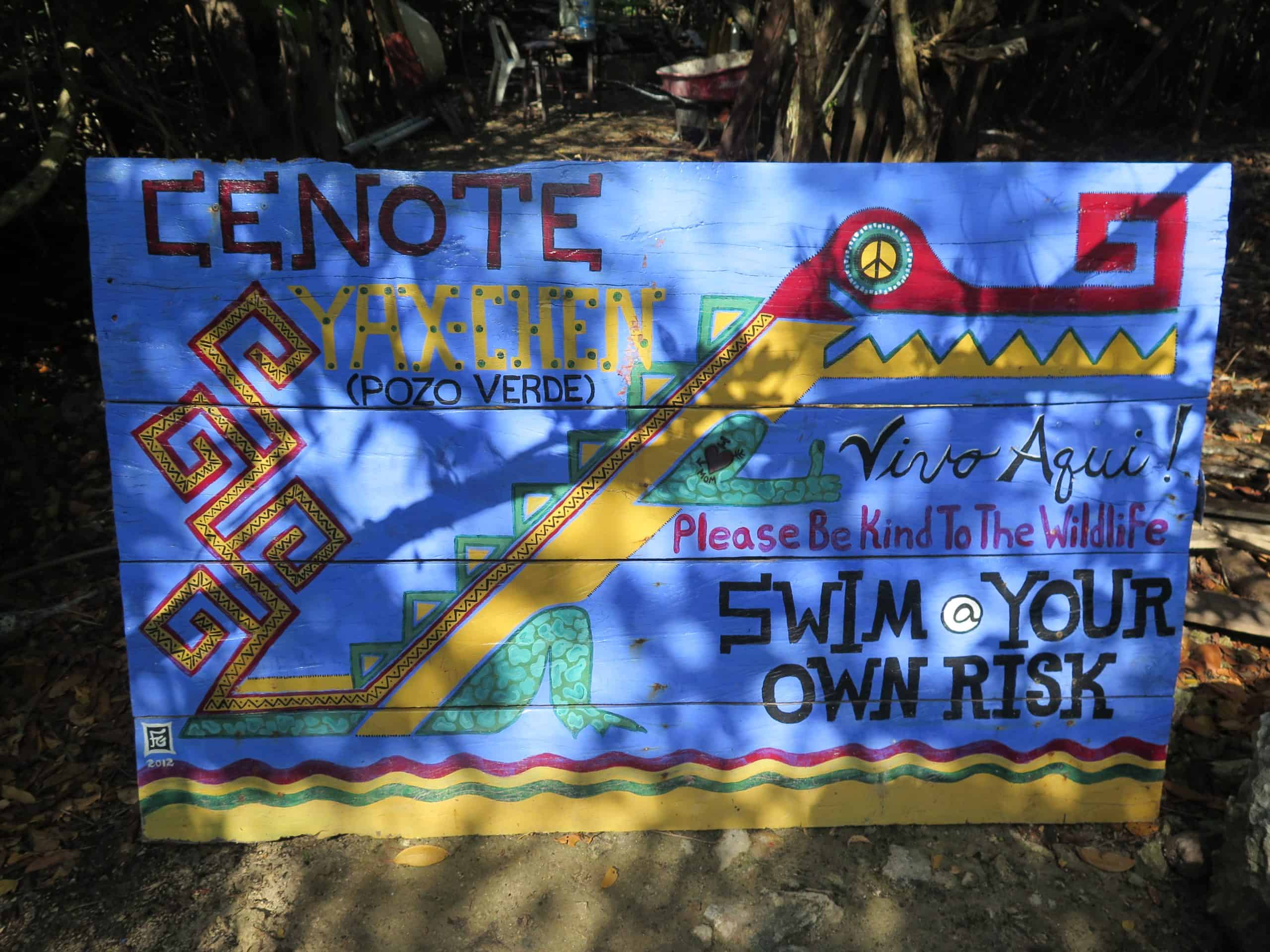
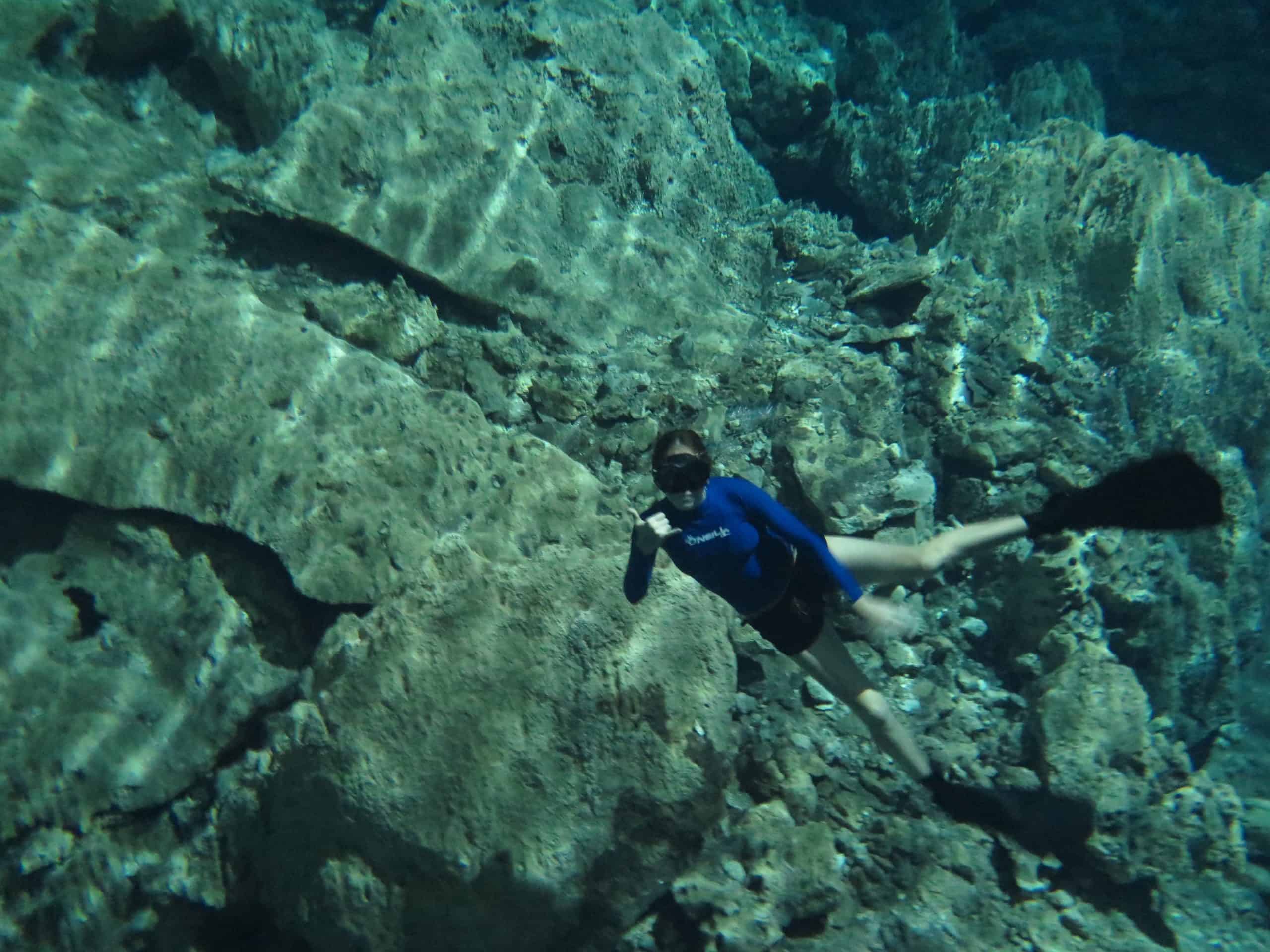
Many cenotes are also open to swimmers and snorkelers, making them great for groups with mixed experience levels. Some are like natural swimming pools nestled in the jungle, ideal for free diving and photography.
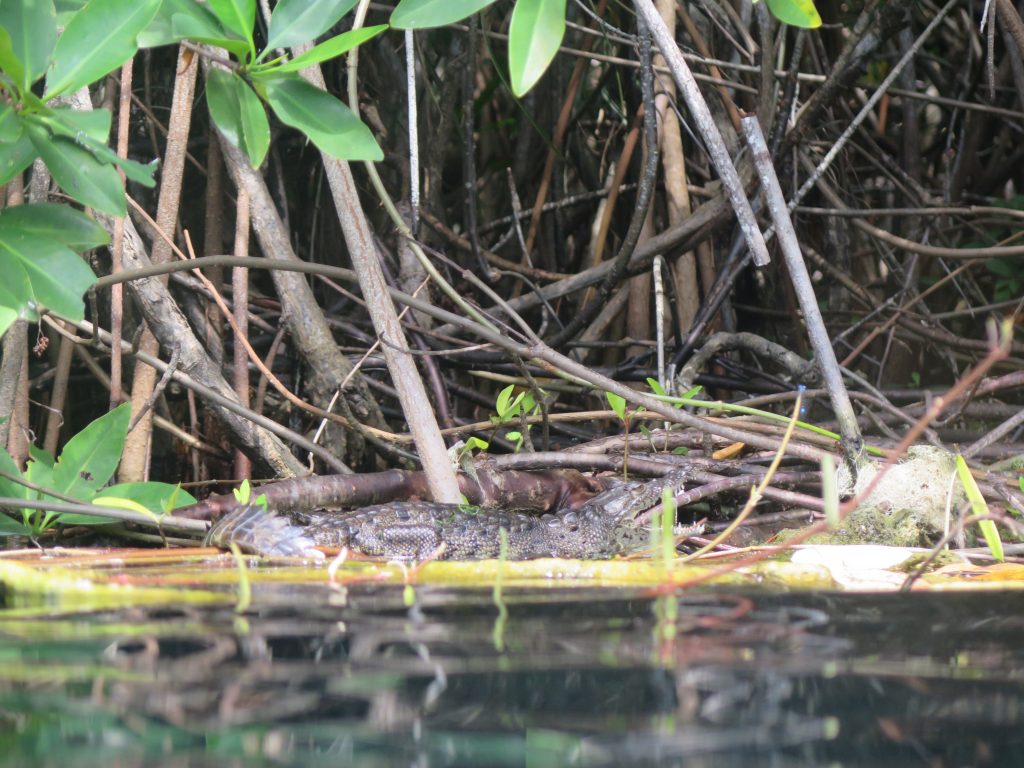
One such example is a lush cenote hidden deep within the Sian Ka’an Biosphere Reserve (Pozo Verde). This cenote, resembling more of a green-hued lagoon, takes on color from the surrounding mangroves and algae, and is especially murky after rainstorms. It’s a testament to the diversity of cenotes throughout the peninsula.
Final Thoughts
Cenote diving in Mexico is like nothing else in the world. Between the spiritual history, stunning geological formations, and crystalline waters, each dive offers a unique encounter with Earth’s ancient past. Whether you’re plunging into a deep vertical shaft or weaving through underwater caverns, you’ll come away feeling like you’ve visited another world.
For me, this was more than just a dive trip—it was a journey into the underworld, a humbling reminder of nature’s power and mystery. And with thousands more cenotes waiting to be discovered, I know I’ll be back.
Ready to plan your own cenote diving adventure? As both a professional diver and travel advisor, I can craft a custom itinerary that takes you beyond the tourist trail—pairing the best dive sites with unforgettable stays and local experiences.
💦 Let’s start planning your Mexico dive trip today! Visit my Services Page to get in touch.