
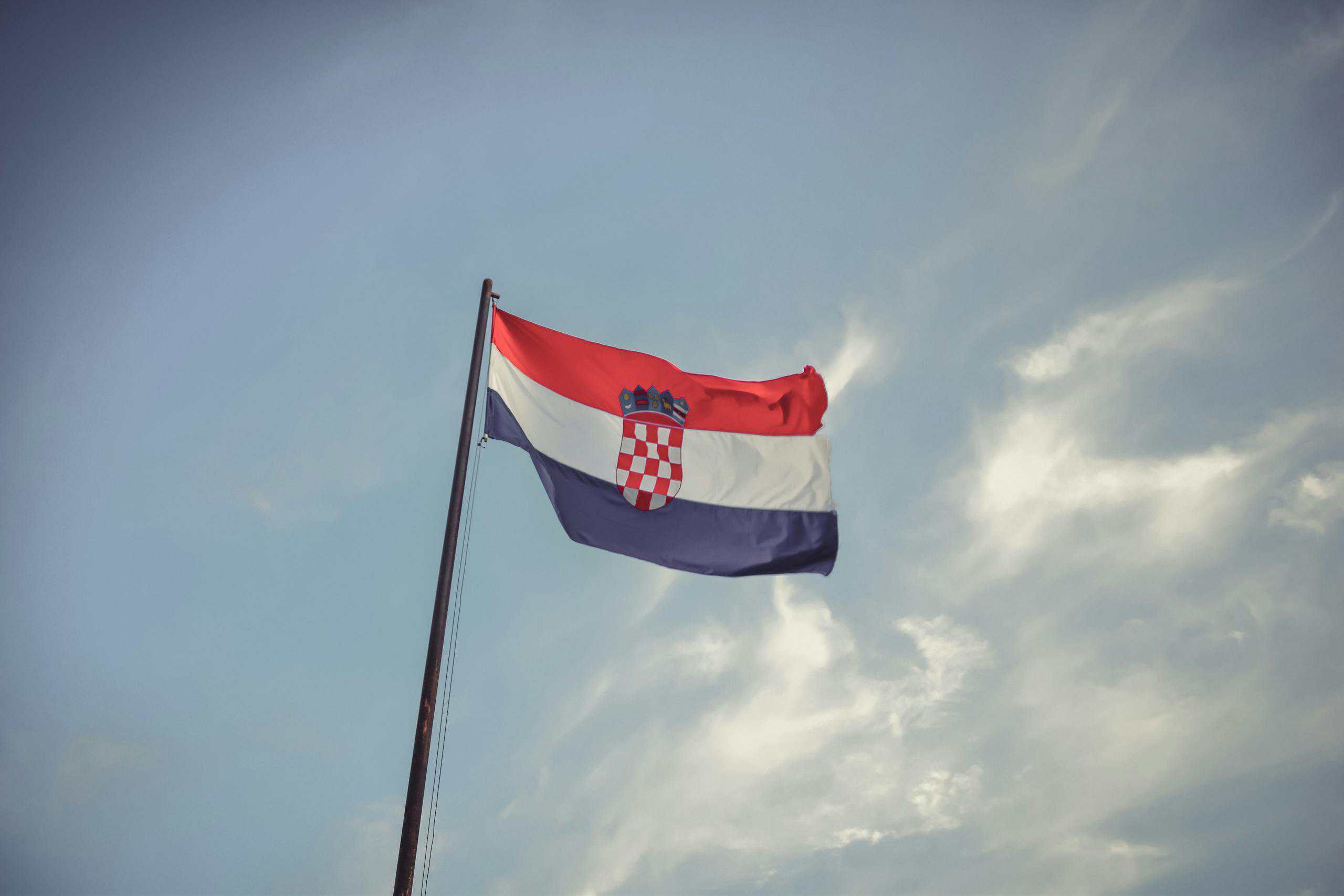
A Travelers Guide to Croatia
Croatia Travel Guide:
Everything You Need to Plan Your Croatian Getaway
With its stunning Adriatic coastline, charming medieval towns, and rich cultural heritage, Croatia has quickly become one of Europe’s most sought-after travel destinations. From the ancient city walls of Dubrovnik to the cascading waterfalls of Plitvice Lakes National Park, the country offers a diverse blend of history, natural beauty, and seaside relaxation.
Whether you’re making a stop in this Eastern European gem for a day while cruising or planning a full-fledged Croatian getaway, there are a few essential things every traveler should know. From visa requirements and local transportation to cultural customs, etiquette, and useful local phrases, this guide covers everything you need to navigate and enjoy your time in beautiful Croatia.
Whether it’s your first trip to Croatia or your fifth, a curated plan makes all the difference. From luxury stays in Dubrovnik to off-the-beaten-path island escapes, I can design a trip as unique as you are.
🌍 Get started today — explore my Travel Planning Services
Travel Croatia Requirements
| Requirement | Details |
|---|---|
| Passport validity | At least 3 months beyond departure (6+ recommended) |
| Visa requirement | No visa needed for ≤ 90 days within 180‑day period |
| Entry stamp | One blank page needed in passport |
| Digital Border system (EES) | Becomes mandatory around Oct 2025 |
| ETIAS authorization | Required starting in 2026 |
| Accommodation proof | Hotel booking or host confirmation may be requested |
| Proof of funds | Typically €50–100 per day for visa-exempt nationals |
| Local registration | Within 48 hours of arrival (hotel or host should do this for you) |
| Health requirements | No COVID rules; routine vaccines plus optional TBE precautions |
| Currency | Uses euro (€); cash limit per person: €10,000 |
*More details below
🚨 Safety
- Exercise normal precautions: Croatia is considered safe, though petty theft and tourist-targeting scams can occur in busy areas. Avoid flirting with public drinking bans or dress rules in certain towns.
- Avoid restricted areas: Former war zones may still have marked minefields. Always stay on paved roads as signs indicate unsafe zones.
📞 Connectivity
- Local SIM Cards: Available from providers like T-Hrvatski Telekom, A1, and Telemach. Affordable data packages.
- eSIMs: Services like Airalo offer convenient eSIM plans for Croatia.
- Wi-Fi: Widely available in hotels, cafes, and many public areas.
💉 Health
- No COVID vaccination or test required to enter as of mid‑2025.
- Routine travel vaccinations recommended: Get up to date on standard shots; optional tick-borne encephalitis (TBE) or West Nile virus precautions may be advised depending on season and itinerary, especially in rural or forested areas
- Drinking Water: Tap water in Croatia is generally safe to drink throughout the country.
🔌 Outlets & Voltage
- Voltage: 230V at 50Hz.
- Plug Type: Type F (two round pins, common in Europe). You will likely need a Type F adapter. Converters are only needed for appliances not rated for 230V (most modern electronics are dual voltage).
Cultural Norms & Etiquette:
Greetings:
A handshake, smile, and direct eye contact are common. Close friends may hug or kiss on each cheek.
Respect for Monarchy/Religion:
While Croatia is a republic, respect for the state and religious sites (predominantly Roman Catholic) is important. Dress modestly (shoulders and knees covered) when visiting churches.
Visiting Homes:
If invited to a home, it’s polite to bring a small gift (think cookies or flowers in odd numbers, and no chrysanthemums as they are associated with death and funerals). Remove outdoor shoes and accept offered slippers. Politely try any food or drink offered.
Coffee Culture (Kafići):
A significant part of Croatian social life; enjoy lingering over coffee.
Direct Communication:
Croatians can be direct in conversation; do not take it personally.
Tipping:
Tipping is customary but not always expected for every service. Round up taxi fares. For restaurants, 10-15% is appreciated for good service if not already included.
💬 Useful Phrases in Croatian
In my experience many locals in Croatia spoke English very well, but it is always polite and a nice surprise to learn and use a few of the key phrases below when interacting with locals while traveling abroad.
| English Phrase | Croatian | Phonetic Pronunciation |
|---|---|---|
| Hello | Bok | Bohk |
| Good morning | Dobro jutro | DOH-broh YOO-troh |
| Good evening | Dobra večer | DOH-brah VEH-cher |
| Goodbye | Doviđenja | Doh-vee-JEN-yah |
| Please | Molim | MOH-leem |
| Thank you | Hvala | HVAH-lah |
| You’re welcome | Nema na čemu | NEH-mah nah CHEH-moo |
| Yes | Da | Dah |
| No | Ne | Neh |
| Excuse me / Sorry | Oprostite | Oh-PROH-stee-teh |
| I don’t understand | Ne razumijem | Neh rah-ZOO-mee-yem |
| Do you speak English? | Govorite li engleski? | Goh-VOH-ree-teh lee ENG-leh-skee? |
| Where is…? | Gdje je…? | Gdyeh yeh…? |
| How much? | Koliko? | KOH-lee-koh? |
| The bill, please | Račun, molim | RAH-choon MOH-leem |
| Water | Voda | VOH-dah |
| Cheers! | Živjeli! | ZHEEV-yeh-lee! |
🚌 How to Get Around
Intercity Transport:
Predominantly by bus. A comprehensive bus network connects most cities and towns. Limited train lines (e.g., Zagreb to Split). Ferries are essential for island hopping.
Transport Within Cities:
Public buses, trams (Zagreb), taxis, and ride-sharing apps (Uber, Bolt, Wizi) are available.
- Bus Schedules & Punctuality
- Buses tend to run on time and have frequent departures on main routes.
- In rural areas, services can be less frequent, especially on Sundays or holidays—check ahead!
- Apps & Resources
- GetByBus and BusCroatia: Useful for comparing routes and schedules.
- Moovit or Google Maps: Helpful for local city bus navigation.
Airport Transfers:
- Zagreb Airport (ZAG): Pleso Prijevoz shuttle buses run regularly to Zagreb Central Bus Station (35-40 min). ZET public bus line 290 also serves the airport.
- Split Airport (SPU): Official airport shuttle buses run to the main bus station in Split city center. Local city buses (No. 2, 37, 38) and rideshare services (Uber, Bolt, Wizi) are also available. Private transfers can be pre-booked.
What Not to Miss in Croatia
Places Worth Visiting in Croatia
Dubrovnik – Walk the ancient city walls, explore Old Town, and ride the cable car for panoramic views. Fans of the TV series Game of Thrones will be particularly thrilled to walk the streets of King’s Landing.
Split – Discover the UNESCO-listed Diocletian’s Palace and relax along the Riva promenade.
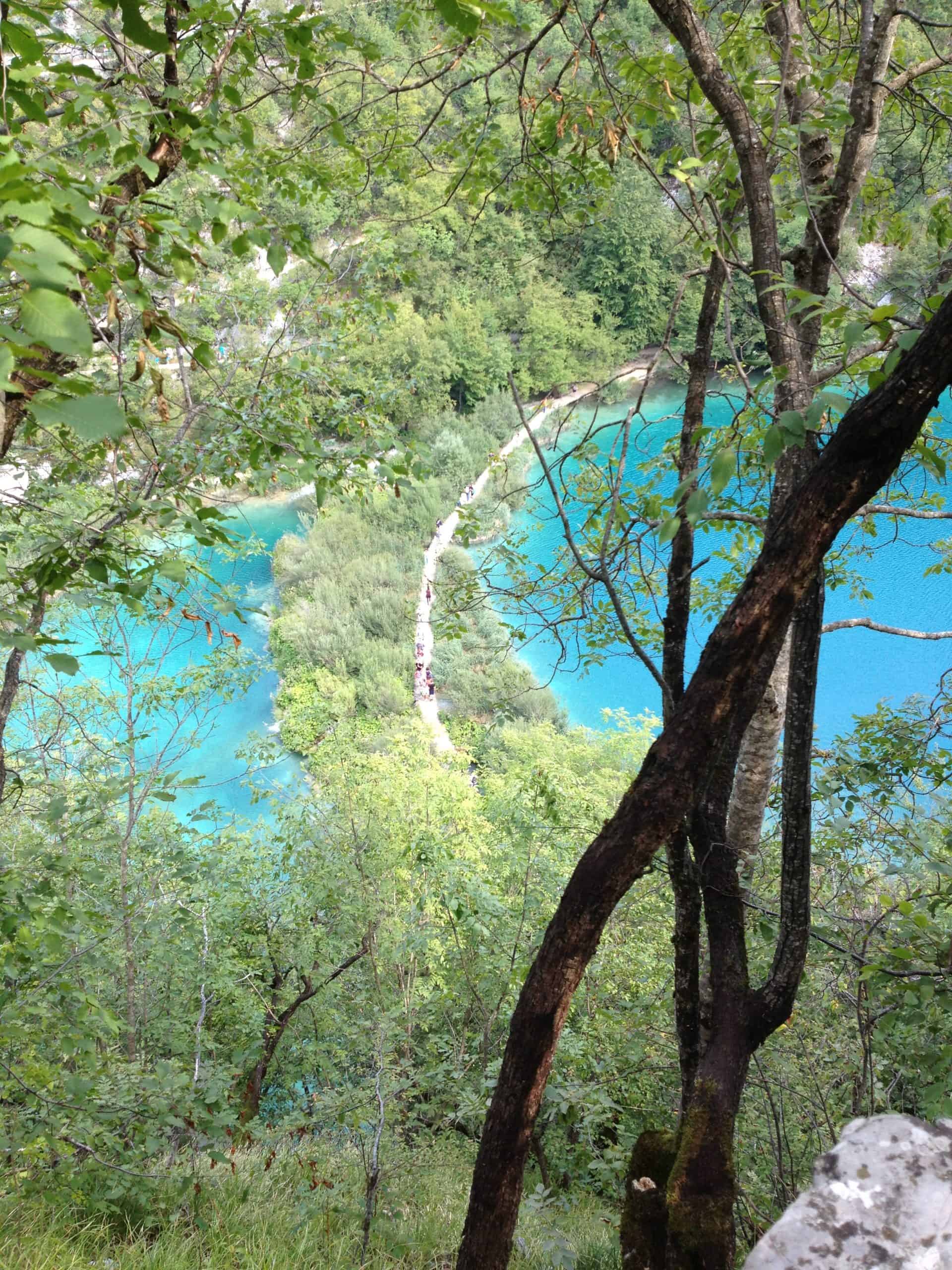
Plitvice Lakes National Park (pictured) – One of my favorite memories from my time in Croatia was hiking the scenic trails and marveling at the crystal-clear turquoise lakes and cascading waterfalls.
Hvar Island – A short ferry ride from Split will have you enjoying sun-drenched beaches, stylish nightlife, and lavender fields in bloom (late May – Mid July).
Brač Island – For a peaceful day trip from Split, this island is home to a beautiful beach called Zlatni Rat in the quaint town of Bol, where the tides and winds change the trajectory of the sandy cape on a daily basis.
Zagreb – Croatia’s capital offers vibrant street cafés, quirky museums, and Austro-Hungarian charm.
Korčula – Visit the alleged birthplace of Marco Polo and explore medieval alleyways.
Rovinj – Stroll the cobbled streets of this Istrian coastal town known for art galleries and seafood.
Pula – See the remarkably preserved Roman amphitheater and ancient temples.
Krka National Park – Swim near waterfalls and take a boat trip to the scenic monastery island of Visovac.
Mljet Island – A serene, forested escape with a saltwater lake and Benedictine monastery.
Zagorje – Storybook castles dot the landscape of this inland region.
Things To Do in Croatia
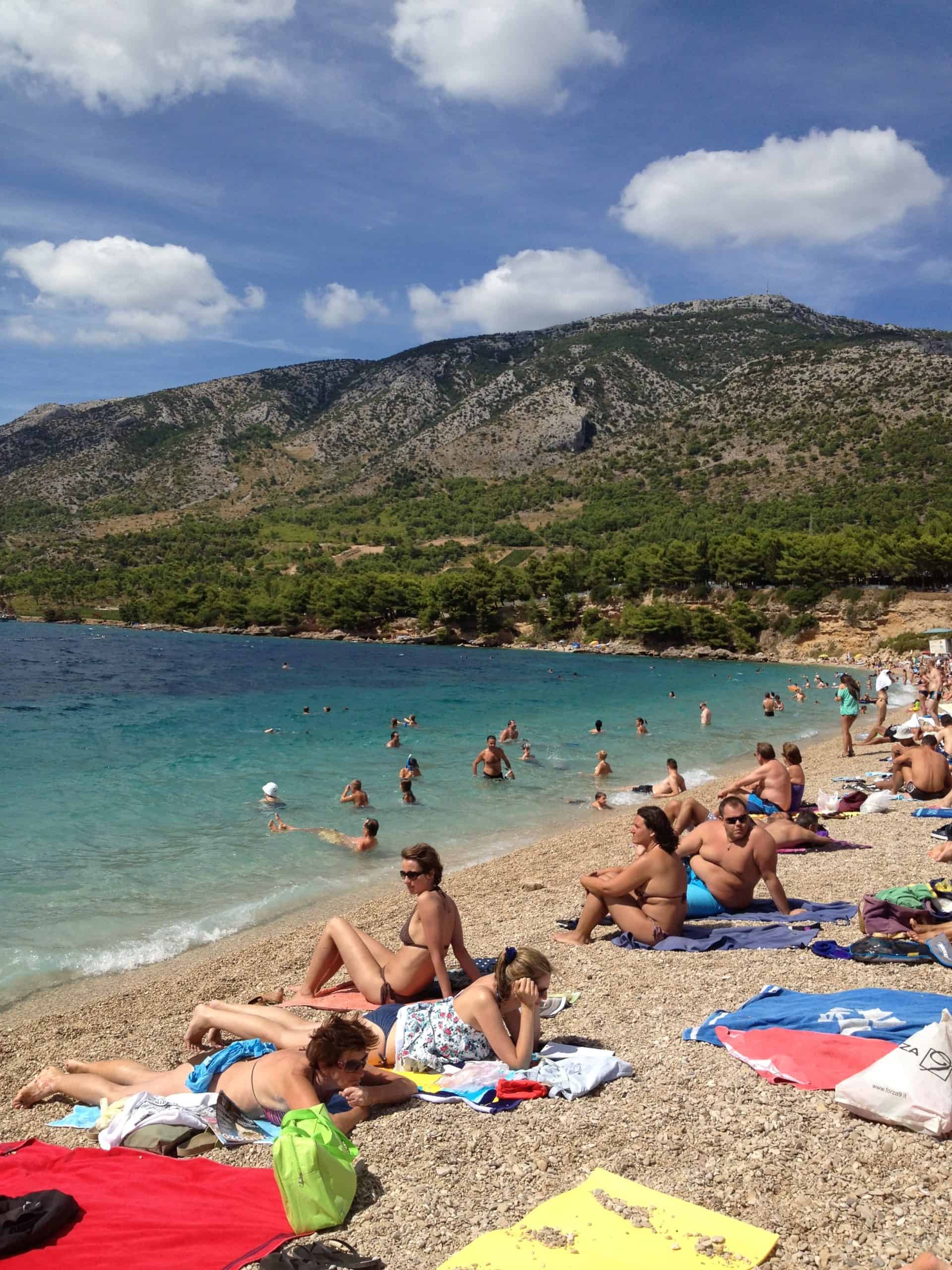
- Island hopping by ferry, yacht, or sailing tour through the Dalmatian Coast.
- Wine tasting in the Pelješac Peninsula or Istria, home to some of Croatia’s best vineyards.
- Kayaking around Dubrovnik’s city walls or through sea caves near Hvar.
- Truffle hunting in Motovun or Buzet for a unique Istrian culinary experience.
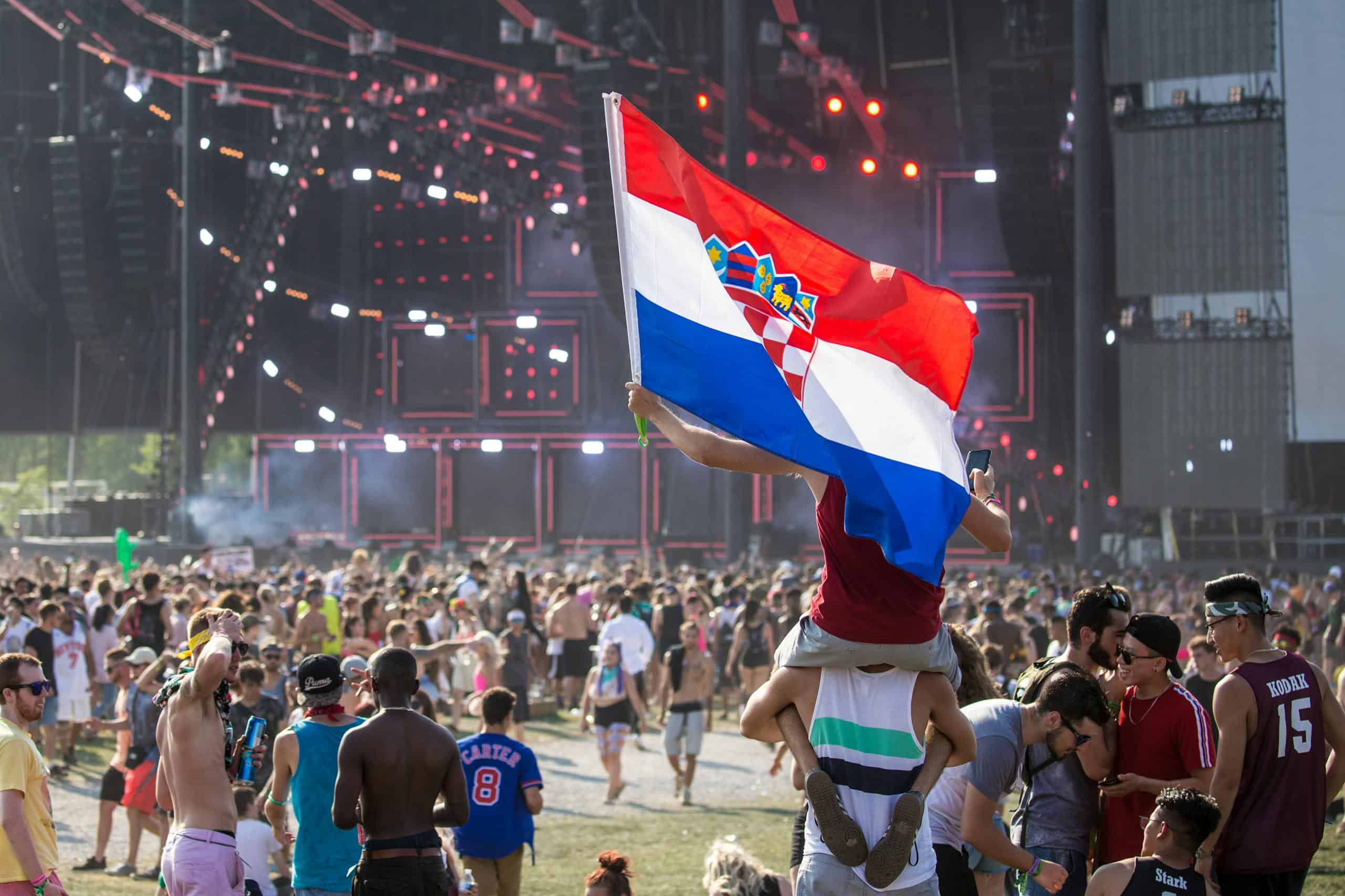
- Attend a festival, like the Dubrovnik Summer Festival or Ultra Europe in Split.
- Sample local dishes like black risotto, peka, and pasticada.
- Scuba dive or snorkel in the crystal-clear Adriatic Sea. For those who like diving and wine, at Edivo Winery in Drače on the Pelješac Peninsula, you can dive to a sunken ship and pick your own bottle of wine.
- Visit historical ruins, from Roman forums to medieval fortresses and churches.
- Soak in local culture at open-air markets, folk music performances, and village feasts.
Festivals in Croatia by Season
Advent in Zagreb (December – January) Christmas market with festive lights, music, food stalls, and ice skating.
Rijeka Carnival (February – pre-Lenten) Europe’s largest carnival featuring colorful parades, costumes, and street parties.
INmusic Festival (June, Zagreb)
Croatia’s biggest open-air rock festival featuring international and local acts.
Motovun Film Festival (July, Istria)
A charming indie film festival held in the medieval hilltop town of Motovun.
Dubrovnik Summer Festival (July – August, Dubrovnik) Classical music, theatre, dance, and opera performances held in historic venues.
Ultra Europe (July, Split) One of the biggest electronic music festivals in Europe, attracting top DJs and huge crowds.
Pula Film Festival (July – August, Pula) Held in a Roman amphitheater, this is one of Croatia’s oldest film festivals.
Špancirfest (August, Varaždin)
A lively street festival with music, theater, art, and food in a baroque town setting.
Sinjska Alka (First Sunday in August, Sinj) A traditional knights’ tournament dating back to the 18th century, showcasing Croatian heritage.
Days of Diocletian (September, Split)
A historical reenactment festival celebrating the Roman emperor with parades, concerts, and crafts.
Gastro Music Fest (September, Zagreb) Combines food and music with live performances and culinary events.
Outlook Festival (September, Pula) A renowned bass music and sound system culture festival.
Zagreb Jazz Festival (October, Zagreb) A long-standing jazz event showcasing international artists.
Planning a trip to Croatia can be overwhelming, there is so much to consider, from where to go, how to get there and timing it all just right. Let me take care of the logistics so you can focus on the views (and maybe another glass of Dalmatian wine).
✈️ Work with me through my Travel Services Page
Details
Entry Requirements & Documents
- Passport Validity:
- Your passport must be valid for at least 3 months beyond your intended departure date, but just to be safe it is always prudent to ensure there are at least 6 months of validity
- Make sure there is at least 1 fully blank page in your passport for a stamp. Unfortunately, for us stamp collectors, starting in late 2025 they will begin a digital border crossing system that will collect biometric data instead.
- Visas:
- US, UK, Australian, and EU Citizens: Generally, no visa is required for stays of up to 90 days within any 180-day period for tourism or business.
- Schengen Area Rules Apply: Croatia is part of the Schengen area, a collection of countries that includes most of the EU and some non-EU nations. Any time spent in other Schengen countries within the preceding 180 days counts towards your 90-day limit.
- Other Documents:
- Proof of Accommodation: May be required (e.g., hotel booking, address if staying with friends/family).
- Proof of Sufficient Funds: Border guards may ask for proof that you have enough money for your stay (generally 50-100 Euro per day).
- Return/Onward Ticket: May be required.
- Travel Insurance: Proof of valid travel insurance (including medical cover) may be requested.
Health & Safety
- Travel Advisories: Check your government’s official travel advisories (e.g., US State Department, UK FCDO) for the latest information on safety and security. You can also find your embassy information on these pages.
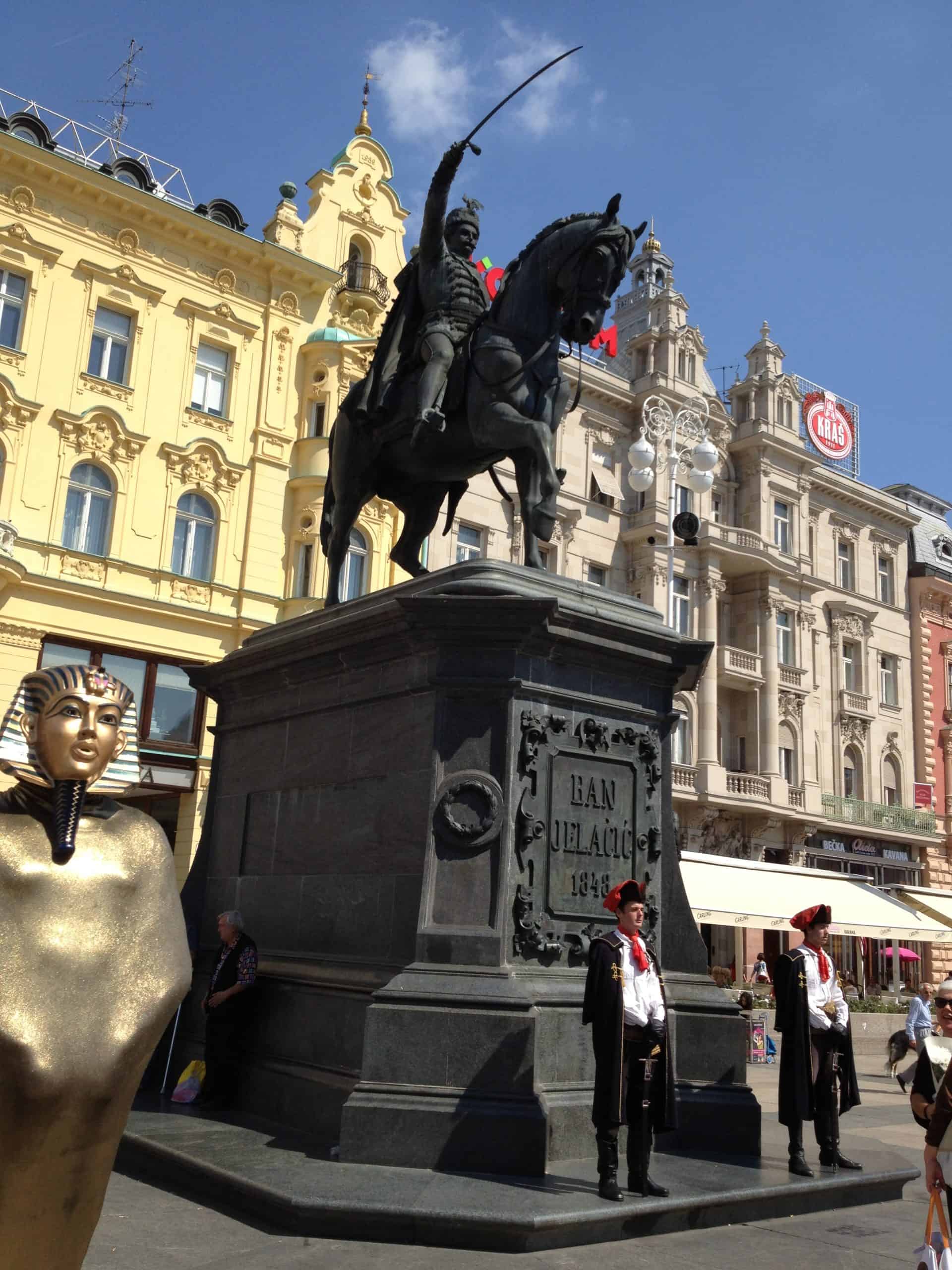
- Low Crime Levels: Generally low, but pickpockets operate in tourist areas (Dubrovnik’s Old Town, Split’s Diocletian’s Palace, Zagreb’s Ban Jelačić Square).
- Overcharging Scams: Be wary of overcharging at “gentlemen’s clubs,” inflated taxi fares (insist on meter or agreed price), currency exchange tricks (hidden fees), and restaurant bill padding.
- Unexploded Mines: Exercise extreme caution if traveling outside tourist resorts in previously war-affected areas (Eastern Slavonia, Brod-Posavina, Karlovac, parts of Zadar County, remote areas of Plitvice Lakes National Park). Stick to marked paths.
- Wildfires: Common during hot, dry summers. Be cautious in wooded areas and avoid lighting fires/barbecues outside designated areas (illegal June 1 – Oct 31).
- Vaccinations: Consult a doctor or travel clinic 6-8 weeks before your trip. Routine vaccinations (MMR, Tdap) should be up-to-date. Hepatitis A, Hepatitis B, and Typhoid are often recommended. Tick-borne encephalitis (TBE) and Rabies may be advised for specific activities or longer stays in rural areas.
- Emergency Numbers:
- 112: General Emergency Number (Ambulance, Fire, Police)
- 192: Police
- 193: Fire Department
- 194: Emergency Medical Help
- 195: Maritime Search & Rescue
- 1987: Roadside Assistance
Money Matters
- Currency: Croatia’s official currency is the Euro (€), as of January 1, 2023. Download a reliable currency exchange app like Xe for the latest rates.
- Credit/Debit Cards: Widely accepted in larger cities (Zagreb, Split, Dubrovnik) and tourist areas. Visa and Mastercard are most common. American Express acceptance is less widespread. Carry some cash for smaller purchases, local markets, or in more rural areas.
- ATMs (“Bankomats”): Readily available. Use ATMs located at banks and be vigilant for skimmers. Check out my post of travel credit cards for advice on no-fee ATM cards.
- Cost of Travel: Generally good value compared to Western Europe. Dubrovnik and Split tend to be the most expensive.
- Accommodation: Mid-range hotel/Airbnb can be around €100+ per night.
- Meals: Mid-range restaurant meal ~€25-€50. Fast food ~€8-€10.
- Local Beer: ~€5 for 500ml draft.
Local Laws, Culture, and Etiquette
- Local Laws:
- Public Behavior: Be aware of laws against public drinking/drug use, sleeping in public, urinating/vomiting in public, walking shirtless/in swimwear in towns.
- Headlights: Must be on and dipped when driving from November 1 to March 31.
- Police Registration: Your accommodation provider must register your presence with the police within 48 hours. Hotels usually do this automatically.
- Cultural Norms & Etiquette:
- Greetings: A handshake, smile, and direct eye contact are common.
Transportation
- Using the Public Bus System in Croatia
- Intercity Bus Travel
- Major Hubs:
Zagreb, Split, Dubrovnik, Rijeka, Zadar, and Pula all have large, well-organized bus stations (called “autobusni kolodvor”). - Popular Companies:
- FlixBus – International and domestic routes with online booking and modern buses.
- Arriva – One of the largest providers within Croatia, with good coverage and online tickets.
- Autotrans, Promet Makarska, and Libertas Dubrovnik are regional operators.
- Buying Tickets
- Online: Most major companies sell tickets on their websites or apps (e.g., FlixBus, Arriva).
- At the Station: Buy at the ticket counter or from kiosks at bus terminals.
- On the Bus: In smaller towns or less busy routes, you can pay the driver directly (bring cash).
- Tip: In summer (peak season), book in advance, especially for popular coastal routes.
- Major Hubs:
- Local City Buses
- Urban Systems: Cities like Zagreb, Split, Dubrovnik, and Rijeka have robust local bus systems.
- Ticketing:
- Tickets can be bought at newspaper kiosks (“tisak”) or directly from the driver.
- In some cities (e.g., Zagreb), you can also use a contactless card or mobile app.
- Validation: Always validate your ticket once on board—inspectors do check!
- Fares: Around €1.50–€2 per ride, cheaper with pre-purchased or multi-ride cards.
- Intercity Bus Travel
- Luggage & Comfort
- Most long-distance buses have storage space underneath for larger luggage (sometimes for a small fee—around €1–2).
- Buses are generally modern, air-conditioned, and clean.
- There are usually short breaks on longer routes.
- Schedules & Punctuality
- Buses tend to run on time and have frequent departures on main routes.
- In rural areas, services can be less frequent, especially on Sundays or holidays—check ahead!
- Apps & Resources
- GetByBus and BusCroatia: Useful for comparing routes and schedules.
- Moovit or Google Maps: Helpful for local city bus navigation.
Practicalities
- Connectivity:
- Local SIM Cards: Available from providers like T-Hrvatski Telekom, A1, and Telemach. Affordable data packages.
- eSIMs: Services like Airalo offer convenient eSIM plans for Croatia.
- Wi-Fi: Widely available in hotels, cafes, and many public areas.